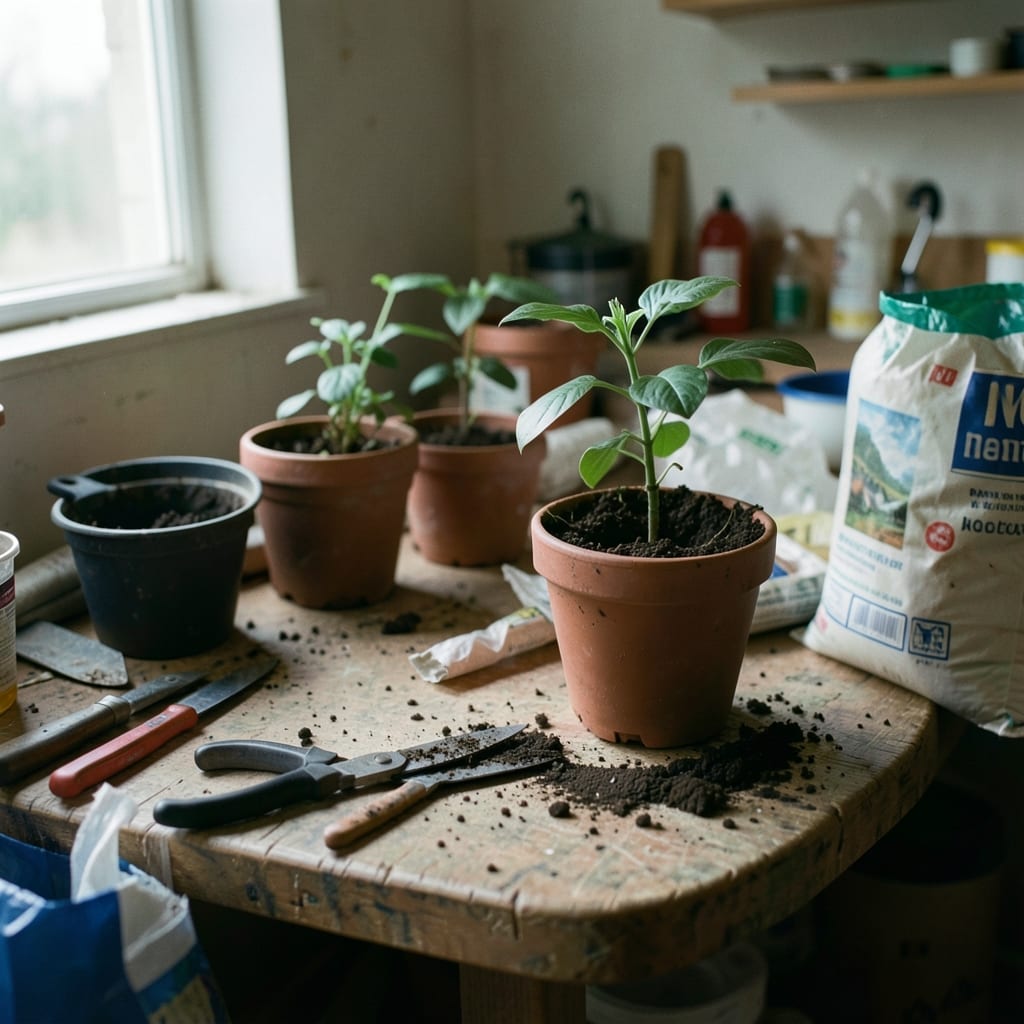
Why I started Corn And Beans
It was 2018, and I’d just dug up a row of tomatoes in my grandmother’s garden—every single one was rotten at the core, despite the sun and the rain and my best guesses about when to water.
The old wooden trellis she’d built leaned against the fence, its paint peeling, and she just shrugged and said, *‘You’re planting too deep. And you’re not listening to the soil.’* That’s when I realized most gardening advice assumes you already know how to read the earth.
This site is for the rest of us. The people who’ve killed a basil plant in a pot or watched a seedling wilt overnight. The ones who want to grow something—even if it’s just a windowsill herb or a stubborn zucchini in a city balcony.
Here, you’ll find no jargon, no assumptions, and no ‘perfect’ gardens. Just the honest, sometimes messy work of getting a plant from seed to table.
Meet the founder

My grandmother’s garden was a half-acre of stubbornness. She’d press a seed into the soil with her thumb, mutter something about ‘lazy roots,’ and walk away. I was eight the first time I watched a bean sprout overnight—it felt like magic.
By twelve, I was trying to grow basil indoors, only to kill it within a week. She’d hand me the trowel and say, *‘You’re planting it like you’re afraid of it.’* I was.
The old cast-iron watering can she gave me is still in my shed, its spout clogged with mineral deposits from years of well water. I use it every spring, even though it leaks. It’s the only tool I’ve never replaced.
The first time I tried to ‘improve’ it with a new nozzle, the seeds got clogged in the holes. Now I just fill it, give it a shake, and let the water run unevenly—just like she did.
The year I nearly gave up was 2020. I’d spent $80 on heirloom seeds, a ‘premium’ compost blend, and a ‘self-watering’ planter that turned out to be a sponge with holes. By July, I had three pots of mold and a single, lopsided pepper plant.
That’s when I started keeping a notebook: *‘Too much water,’ ‘forgot to rotate,’ ‘raccoons stole the beans.’* Now those notes are the backbone of this site.
I still tap every seed packet three times before planting. My grandmother did it too—she said it ‘reminds the seed you’re home.’ I know it’s superstitious, but if it works for the soil, who am I to argue?
The notebook is always open to the ‘emergency fixes’ page, and the shed door is never locked. You never know when you’ll need to grab a shovel at 2 AM because the deer are back.
‘A garden isn’t about the flowers. It’s about the dirt, the sweat, and the day you realize you’re not fighting nature—you’re just asking it to work with you.’
—Arturo’s grandmother, 1992 (written on the back of a seed catalog)
Meet the mascot

The first sketch was on a napkin at a diner in Columbus.
I’d just spent an hour arguing with a nursery clerk about ‘organic’ fertilizer, and my coffee cup was half-full of doodles: a carrot with arms, a tomato wearing a hat, and a bean plant that looked like it was doing push-ups.
The carrot kept getting longer legs, so I crossed them out and drew a trellis instead. That’s how *Vine* got its name—after the vine that keeps tangling itself up.
The drawn version took three tries. The first had Vine’s leaves shaped like shovels, which made no sense. The second gave it too many fingers. The third—done on the back of a seed packet—had a single, lopsided leaf and a stem that wobbled like it was about to fall over.
That’s the one I scanned and printed out. My neighbor’s kid saw it and said, *‘That looks like my grandpa’s bad knee.’* Fair.
For the final version, I had to kill Vine’s overalls (too busy), its gardening gloves (distracted from the hands), and the ‘Corn And Beans’ banner it was holding (what’s the point if it can’t even carry its own name?).
What’s left is just the vine, the trellis, and a single tomato that’s always about to drop. It’s supposed to look like it’s been drawn by someone who’s still learning how to hold a pencil—and that’s the point.
What I promise you
This site is for people who’ve ever stared at a seed packet and wondered, *‘Do I even know what I’m doing?’* The answer is no—and that’s okay. Every post here starts with the same question: *‘What went wrong?’* because that’s how you learn.
What you can hold me to
- No ‘perfect’ gardens. Just real dirt, real mistakes, and real fixes. If I say ‘plant deep,’ I’ve buried a seed too shallow at least three times.
- Every ‘tip’ has a ‘but what if…?’ section. Because gardens don’t follow rules—they follow *your* soil, your sun, and your last-minute decisions.
- The ‘failures’ are listed first. The wilting, the pests, the ‘I forgot to turn the compost’ moments. Because those are the ones that teach you.
- The soil is always the star. If a post doesn’t start with what’s in the dirt—or what isn’t—it’s not here.
How I create a gardening guide
A guide starts with a hole. Not the kind you dig for a plant—though those matter too—but the kind you dig in your own knowledge.
It could be a seed that refused to sprout, a row of zucchini that bolted before they ripened, or the time you realized your ‘self-watering’ pot was just a sponge. That’s the blank page: *‘Why didn’t this work?’*
Stage 1: the dig
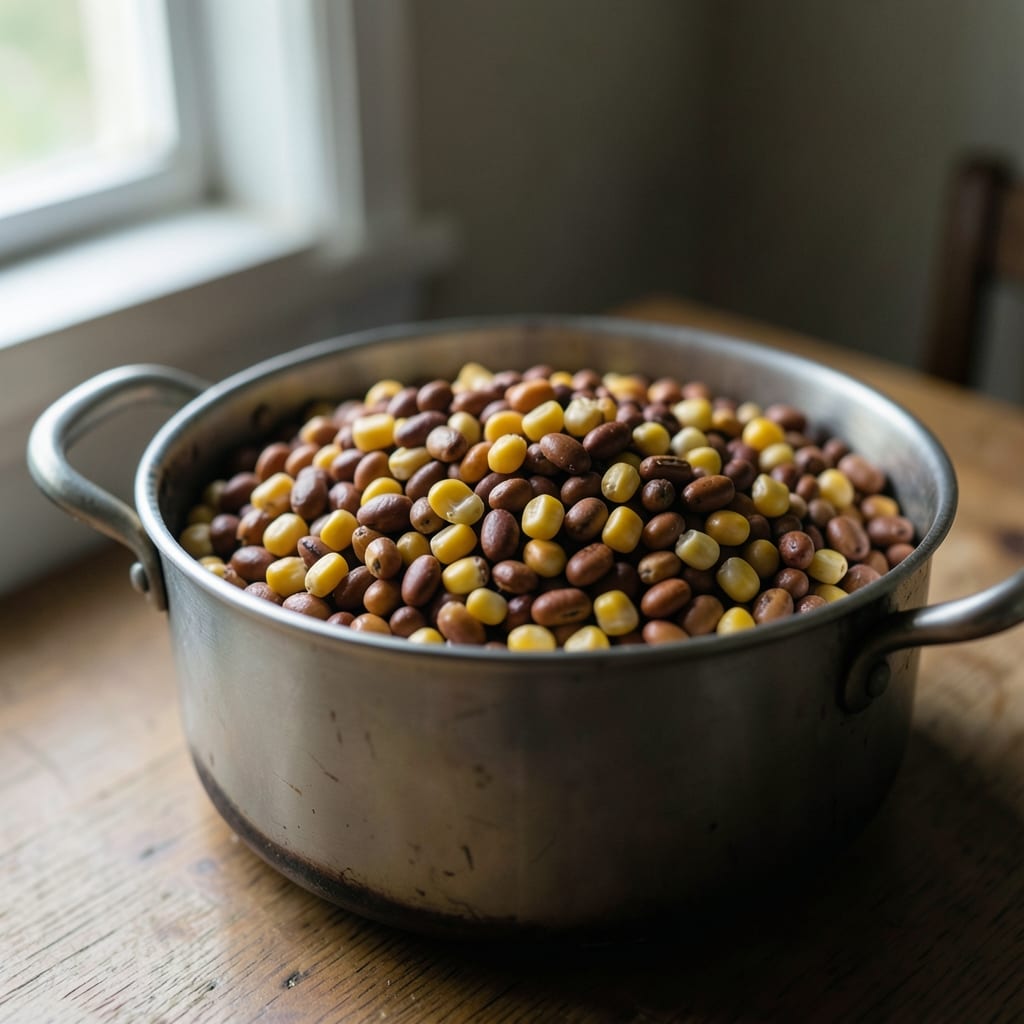
First, you get your hands dirty. Literally. I don’t write about soil until I’ve rolled up my sleeves, turned a shovel in it, and felt the texture—clay? Sandy? Chalky?—between my fingers. If the soil smells like chemicals, I note that.
If it’s dry as dust, I dig deeper to see where the moisture line is. A good guide starts with *‘This is what your dirt is hiding.’*
The first sign it’s gone wrong? The shovel hits something solid before you reach six inches. That’s not ‘good drainage’—that’s a rock, a buried root, or last year’s forgotten potato. I mark it down, then dig around it.
Because a guide isn’t about the ‘ideal’ soil; it’s about the soil you’ve got. If your garden is half rocks, we’ll talk about how to work with that.
Stage 2: the fix
Fixing starts with a timer. I set one for 20 minutes—long enough to try something, short enough to admit if it’s not working. If the soil is too dense, I might add compost in layers, tamping it down with my boot.
If it’s too sandy, I’ll mix in peat moss, but only a handful at a time. The goal isn’t to ‘improve’ the soil; it’s to trick it into behaving long enough to get a seed in the ground.
The real test is the water. I fill a spray bottle, mist the amended soil, and wait. If it pools on top, I know I’ve overdone it. If it disappears in seconds, I’ll add a bit more organic matter next time.
A good fix isn’t permanent—it’s just enough to get the next step right. And if all else fails? I’ll write about it. Because the best guides aren’t about success; they’re about what happens when you’re knee-deep in dirt and wondering if you’ll ever get it right.
How a page gets onto this site
Every page starts in a notebook, scribbled in the shed after a particularly frustrating day. The first draft is always messy—half notes, half rants, with margins full of ‘*ask Arturo about this*’ scribbles. I’ll cross out a whole section if I realize I’m describing my garden, not yours.
The second read is where the ‘but what if…?’ sections go in. Because gardens don’t follow rules—they follow *your* soil, your sun, and your last-minute decisions.
A page gets rewritten months later when I realize I left out the part where the tomato plants kept falling over. Or when I remember that ‘full sun’ means different things in Ohio versus Arizona.
The final version is the one that survives—even if it’s just a single sentence: *‘If your beans are yellowing, check the pH. If they’re still yellowing, check the pH again.’*
Write to me
I love hearing about the gardens that surprise you—the ones that grow where you didn’t expect, or the plants that refuse to die no matter how hard you try to kill them. Send me a photo of your ‘ugly’ zucchini or the tomato that split open before it ripened.
I’ll add it to the ‘What Went Right’ section.
If you’ve got a seed packet with no instructions, a ‘miracle-grow’ claim that didn’t pan out, or a neighbor who swears by ‘grandma’s secret,’ tell me about it. The best guides come from the things that don’t work—and the people who keep trying anyway.
You’ll find me on the contact page, waiting for your dirt questions, your victory stories, and your ‘I think I’ve killed everything’ moments. Let’s grow something together.
The guides are grouped by category: Advice, Aphids, Blooming, Companion Plants, Container Gardens and Diseases.