
Pruning
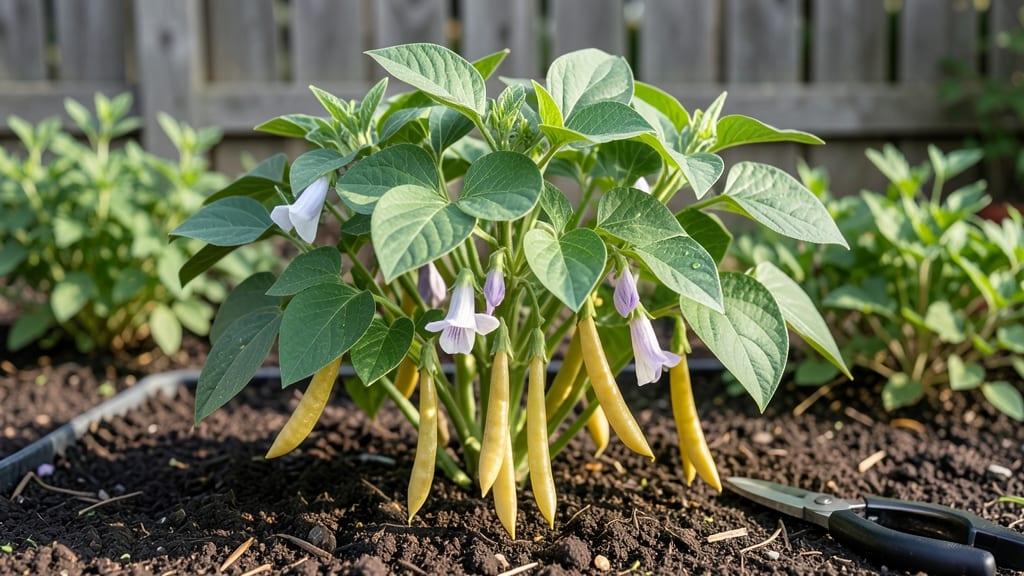
Growing Gold Rush bush beans means fast, heat-tolerant harvests that keep producing long after other varieties quit. 🌱 Last summer, I planted mine in July—when most beans were already bolting—and still got fresh pods until frost.
The secret isn’t complicated: it’s about matching their needs to the conditions they thrive in. These beans love full sun (6+ hours daily) and warm soil (at least 60°F), but they’ll forgive you if you start them a little late.
The key is consistent moisture—never soggy, never dry—and rich, well-draining soil. I swear by mixing in compost before planting, which gives them the nutrients to keep producing pound after pound of tender beans.
You’ll start seeing harvest-ready pods in just 50 days, and with proper care, they’ll keep coming for weeks. The flavor? Sweet, crisp, and far superior to store-bought. Plus, they’re disease-resistant, so you spend less time spraying and more time eating.
Perfect for beginners, small spaces, or anyone tired of beans that quit producing in the heat. Here’s how to set yours up for success—no green thumb required.
📚 In This Guide
- What you need
- Instructions
- Tips and common mistakes
- Wrapping up and next steps
What you need
- ● Seeds: 1 pack of Gold Rush bush bean seeds (approx. 20-30 seeds per pack; plant 3-5 seeds per spot for better yield).
- ● Growing Containers or Garden Bed: For containers: 5-gallon pots or larger (at least 12" deep) with drainage holes. Quantity: 1 pot per 3-4 plants.
- ● For garden beds: Well-draining soil in a sunny spot (6+ hours of sunlight daily). Space plants 4-6 inches apart in rows 18-24 inches apart.
- ● High-Quality Potting Mix: 1 bag of organic, well-draining soil (e.g., Miracle-Gro Potting Mix or FoxFarm Ocean Forest).
- ● Compost or Fertilizer: 1 cup of balanced fertilizer (e.g., 10-10-10) or compost to enrich soil.
- ● Watering Can or Hose: With a gentle spray nozzle for even watering.
- ○ Garden Gloves: Optional but helpful for handling soil and plants.
- ● Trellis or Cage: For vertical growth (if you want to save space or keep plants off the ground).
- ● Mulch: Straw or wood chips to retain moisture and suppress weeds.
- ● Plant Markers: To label your Gold Rush beans and track progress.
- ● Organic Pest Control: Neem oil or insecticidal soap (for aphids or beetles).
- ● Shade Cloth: If planting in extremely hot climates (to protect seedlings from scorching).
Step-by-step instructions for planting and cultivating Gold Rush bush beans
Here's how to grow this heat-loving variety with minimal fuss and maximum speed.
🌱 Step 1: Prepare the Soil and Planting Site
Gold Rush beans thrive in well-draining soil with a pH between 6.0 and 7.0. Work in 2-3 inches of compost or aged manure into the top 6 inches of soil to improve fertility and moisture retention. These beans are particularly sensitive to soggy roots, so avoid heavy clay soils unless amended with sand or perlite to prevent compaction.
Choose a location that receives full sun (6-8 hours daily)—this variety won’t tolerate shade. If your growing season is short, opt for a raised bed or container garden to extend the season and improve drainage. I always test soil moisture before planting by squeezing a handful—if it holds together but crumbles easily, it’s ready.
🌱 Step 2: Sow Seeds at the Right Depth and Spacing
Plant 4-5 seeds per hill, spaced 2-3 inches apart, and 1 inch deep. Gold Rush beans germinate best in soil temperatures between 60-85°F, so wait until the soil warms up before sowing—cold soil slows germination and can lead to rot. I like to use a small trowel to make individual holes, then place seeds gently with my fingers to avoid burying them too deeply.
Space hills 4-6 inches apart in rows that are 18-24 inches apart to allow for airflow and easy harvesting. Thin seedlings to the strongest 2-3 plants per hill once they reach 2 inches tall, using scissors to avoid disturbing roots. The key here is patience—rushing the thinning process can stress the plants and delay growth.
☀️ Step 3: Provide Consistent Moisture and Heat Tolerance
Water deeply once a week (about 1 inch of water) rather than frequent shallow waterings. Gold Rush beans are drought-tolerant once established, but consistent moisture during flowering and pod development ensures faster and heavier yields. I always water in the early morning to reduce evaporation and fungal risks.
Mulch around plants with 2-3 inches of straw or grass clippings to retain moisture and suppress weeds. This variety handles heat exceptionally well, but avoid overhead watering during hot afternoons—wet foliage can lead to bacterial blight, a common issue in humid climates. You’ll know your beans are thriving when they produce white flowers within 4-6 weeks of planting.
✂️ Step 4: Harvest for Maximum Speed and Productivity
Gold Rush beans are ready to harvest 50-60 days after sowing, when pods are 4-5 inches long and snap easily when bent. Pick beans every 2-3 days to encourage continuous production—overripe pods toughen and reduce flavor. I always harvest in the morning when pods are crispest and most flavorful.
To prolong the harvest season, succession plant every 2 weeks after the initial sowing. This variety is particularly forgiving, so even if you miss a harvest window, new pods will form quickly. Watch for yellowing leaves or stunted growth—these are signs of overwatering or nutrient deficiency, which can slow down your fast harvest timeline.
Tips & tricks for fast, heat-resistant bush bean cultivation
Between us, these little tricks will help you turn your Gold Rush beans into a year-round productivity machine—no matter how hot or short your growing season.
Soil Temperature Matters: Wait until soil reaches at least 60°F before planting—cold soil slows germination dramatically. I've planted too early and watched seeds rot in the ground. Stick your finger in the soil up to your knuckle; if it feels cool to your wrist, wait another week. This heat-loving variety won't tolerate chilly starts, and rushing it can set your whole harvest back by weeks.
Thinning Technique: When thinning seedlings to 2-3 plants per hill, use clean scissors to snip at soil level rather than pulling. This prevents disturbing the roots of your kept plants and maintains moisture in the soil. I learned this the hard way after thinning too aggressively and watching my plants struggle for weeks to recover—now I treat this step like a delicate surgery.
Harvest Rhythm: Those 2-3 day harvest intervals might seem frequent, but they're what keeps production rolling. I set a phone reminder every other day during peak season—missing even one harvest window lets pods toughen up fast. The first few times, you might feel like you're picking beans constantly, but trust me on this: consistent harvesting means you'll have fresh beans for weeks longer than if you wait for "the perfect time."
Heat Management: During summer's peak, water only in the early morning and avoid overhead sprinklers entirely. I've seen bacterial blight wipe out entire crops because of wet foliage during afternoon heat. If you must water later in the day, use drip irrigation at soil level—your plants will thank you with vigorous growth and fewer fungal issues.
Pro Tips for Gold Rush Bush Bean
- Between us, these little tricks will help you turn your Gold Rush beans into a year-round productivity machine—no mat...
- Soil Temperature Matters: Wait until soil reaches at least 60°F before planting—cold soil slows germination dramatica...
- Thinning Technique: When thinning seedlings to 2-3 plants per hill, use clean scissors to snip at soil level rather t...
Frequently asked questions
Got questions about growing Gold Rush bush beans? You’re not alone!
Here are some of the most common concerns—and their answers—to help you cultivate a thriving, heat-resistant harvest.
When is the best time to plant Gold Rush bush beans?
Gold Rush beans thrive in warm soil, so wait until after the last frost when temperatures consistently stay above 60°F (15°C). For year-round harvests in warm climates, plant every 2–3 weeks after the initial sowing. In cooler zones, start seeds indoors 4–6 weeks before the last frost for an early jumpstart.
How long does it take for Gold Rush beans to mature?
Expect a quick harvest! From planting to maturity, Gold Rush beans typically take 45–55 days. With their bushy growth habit, they produce pods simultaneously, so you’ll enjoy a steady supply for weeks. Watch for 3–4 inch pods—that’s your cue to pick!
Can Gold Rush beans handle extreme heat?
This variety is heat-tolerant and drought-resistant, making it ideal for summer gardening in hot climates. However, consistent moisture (1–1.5 inches per week) and afternoon shade during peak heatwaves will keep yields strong. Mulch helps retain soil moisture and protects roots.
What’s the best way to troubleshoot yellowing leaves?
Yellowing leaves on Gold Rush beans usually signal overwatering, nutrient deficiency, or pests. First, check soil moisture—beans hate soggy roots. If leaves are pale yellow, they may need more nitrogen (try a balanced fertilizer). For spotted or chewed leaves, inspect for bean beetles or aphids and treat with neem oil or insecticidal soap.
Are there alternatives if Gold Rush beans don’t grow well in my area?
If your climate isn’t ideal, consider these heat-tolerant bush bean varieties:
- Contender – Fast-maturing (50 days) and disease-resistant.
- Blue Lake Bush – Reliable producer in cooler summers.
- Rattlesnake – Drought-resistant with a sweet, buttery taste.
Wrapping up and next steps
Growing Gold Rush bush beans is your ticket to a bountiful, low-maintenance harvest—perfect for hot climates or impatient gardeners! 🌱 These heat-resistant varieties thrive with minimal fuss, delivering crisp, flavorful pods in record time.
Whether you're a seasoned gardener or a beginner, their fast growth and resilience make them a standout choice for year-round yields.
Ready to reap the rewards? Grab your seeds, prep your soil, and watch your garden transform into a goldmine of fresh, homegrown goodness. Start small, experiment with containers, and soon you’ll be sharing your harvest with friends and family—one delicious pod at a time!