
Container Gardens
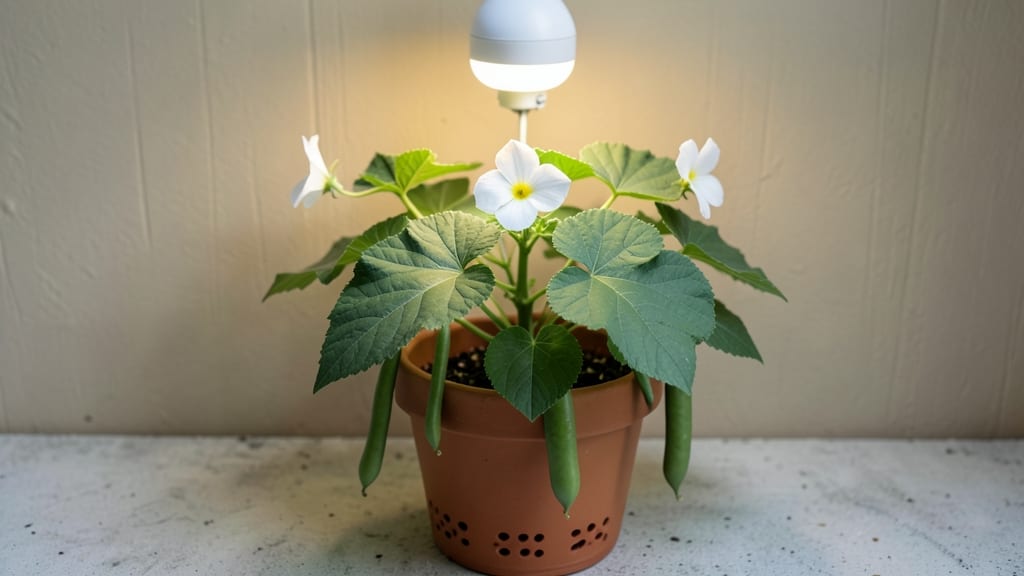
Growing green beans indoors means fresh, crisp pods right from your kitchen windowsill—no backyard needed. 🌱 I tried this after my balcony garden failed last summer, and now I harvest more beans indoors than I ever did outside.
The key is choosing the right varieties and giving them the light they crave. You’ll need 5-gallon containers or deep pots with drainage, well-draining potting mix, and a grow light (or a south-facing window).
Bush beans like 'Blue Lake' or pole beans like 'Kentucky Wonder' work best—just plant 2-3 seeds per container and thin to the strongest sprout. Water when the top inch of soil feels dry, but don’t let them sit in soggy soil.
Within 6-8 weeks, you’ll see vines climbing or pods forming, depending on the variety. The first harvests are sweet and tender, perfect for snacking straight from the plant. Keep pruning side shoots to focus energy on pod production, and watch your yield grow.
This method works year-round, even in apartments. Just rotate plants weekly for even light exposure and watch those beans climb toward your ceiling—literally. No garden? No problem.
📚 In This Guide
- What you need
- Instructions
- Tips and common mistakes
- Wrapping up and next steps
What you need
- ● Green bean seeds: 5–10 bush bean seeds (e.g., 'Blue Lake' or 'Contender') or 2–3 pole bean seeds (e.g., 'Kentucky Wonder').
- ● Containers: 1–2 5–7-inch-deep pots (per plant) with drainage holes or
- ● 1 10–12-inch-deep container (for bush beans) or tall, narrow container (12+ inches for pole beans).
- ● Potting mix: 2–3 gallons of well-draining, seed-starting mix (avoid garden soil).
- ● Grow lights or sunny windowsill: 6–8 hours of direct sunlight daily (south-facing window) or a full-spectrum LED grow light (12–16 hours/day).
- ● Watering can or spray bottle: For gentle hydration (avoid soggy soil!).
- ○ Fertilizer: Balanced, water-soluble fertilizer (5-10-5 ratio) or compost tea (optional but helpful).
- ● Support (for pole beans): 5–6-foot tall trellis, bamboo stakes, or wire mesh.
- ● Seed-starting trays with domes (for early germination).
- ● pH tester (ideal soil pH: 6.0–7.0).
- ● Humidity dome or plastic wrap (to retain moisture while sprouting).
- ● Self-watering planters (for consistent moisture).
- ● Organic mulch (e.g., straw) to retain soil moisture.
Step-by-step instructions for growing green beans indoors
Here's how I grow bush beans in small spaces—no greenhouse needed.
🌱 Step 1: Select the Right Variety and Container Setup
For indoor growing, choose bush bean varieties like 'Blue Lake' or 'Contender'—they stay compact and don't need trellises. You'll need 4 individual 10-inch pots (one per plant) with drainage holes since green beans hate soggy roots. I use lightweight fabric pots because they dry out faster and prevent root circling.
Fill each pot with 2-3 inches of high-quality potting mix—never garden soil, as it compacts too easily. Press the mix down gently to create a firm base, but don't pack it tightly. The goal is a loose, airy medium that lets roots spread freely. Add a slow-release fertilizer (like 5-10-10) mixed into the top inch of soil to feed the plants over time.
💧 Step 2: Plant Seeds at the Correct Depth and Water Gently
Plant 2-3 seeds per pot at a depth of 1 inch—about three times the width of a bean seed. Use your finger to make a small hole, drop in the seeds, then cover lightly with soil. Press the soil down just enough to secure the seeds but don't bury them too deeply, or germination slows down.
Water immediately after planting by soaking the soil until water runs out the drainage holes. This ensures the seeds stay moist during germination. Place the pots in a warm spot (70-80°F)—a sunny windowsill or under a heat mat—until sprouts appear in 7-14 days. Keep the soil consistently moist but not waterlogged; you'll know it's right when the top inch feels damp but not soggy.
☀️ Step 3: Provide Bright Light and Support Growth
Once seedlings emerge, move them to a south-facing window or under grow lights for 12-14 hours of light daily. Green beans need plenty of light to prevent leggy growth—thin stems that stretch toward the window. If you notice seedlings leaning or growing pale, they're not getting enough light. Adjust the grow light to 4-6 inches above the plants and raise it as they grow.
When seedlings reach 3-4 inches tall, thin to the strongest plant per pot, snipping the others at the base with clean scissors. This reduces competition for nutrients. After thinning, water deeply to help the remaining plant establish roots. You'll see new leaves emerge within a week—that's your signal everything is working.
🌿 Step 4: Fertilize and Harvest for Continuous Production
When plants develop true leaves (not the initial seed leaves), switch to a balanced liquid fertilizer (like 10-10-10) every 2-3 weeks. Dilute it to half-strength to avoid burning the roots. Green beans are heavy feeders, so consistent fertilization keeps them producing. Water at the base of the plant in the morning to allow foliage to dry quickly—this prevents fungal diseases like rust.
Harvest begins when pods reach 4-6 inches long and are still crisp. Pick beans every 2-3 days to encourage more production—overripe beans toughen and stop the plant from flowering. Use clean scissors or pinch them off at the stem. With proper care, you'll get 4-6 weeks of harvests from each plant, depending on the variety.
Tips & tricks for perfect indoor green bean growth
Small spaces shouldn't stop you from growing fresh beans—here's how to maximize your harvest.
Container Choice Matters: Fabric pots are my secret weapon for indoor beans because they dry out faster than plastic, preventing root rot. If you don't have fabric pots, use any 10-inch container with drainage holes—just avoid ceramic or heavy plastic that holds too much moisture. I've even used repurposed coffee cans with holes drilled in the bottom for emergency setups. The key is ensuring excess water drains completely to keep roots happy.
Light is Everything: Those 12-14 hours of daily light aren't just numbers—they're non-negotiable for bush beans. If your south-facing window isn't enough, supplement with a basic LED grow light on a timer. I place mine just 4-6 inches above the plants and raise it weekly as they grow. Watch for leggy stems (thin, stretched plants) as your red flag for insufficient light. This is when you'll need to move plants closer to the light source or extend the light duration.
Thinning Saves Your Harvest: When you thin to the strongest seedling at 3-4 inches tall, don't just pull—snip with clean scissors. This prevents disturbing the remaining plant's roots. I've learned the hard way that tugging seedlings can uproot your keeper too. After thinning, give the remaining plant a deep watering to help it recover and establish strong roots. You'll notice new leaves appearing within days, signaling the plant is thriving.
Harvest Timing is Critical: Those 4-6 weeks of harvest depend entirely on when you pick. Beans grow fastest when picked young—aim for 4-6 inches long and still crisp. I check my plants every other day because once they reach 7 inches, they start toughening rapidly. Pro tip: Pick in the morning when pods contain the most moisture and flavor. Regular harvesting actually encourages more production by stimulating the plant to keep flowering.
Pro Tips for Growing Green Beans Indoors
- Small spaces shouldn't stop you from growing fresh beans—here's how to maximize your harvest.
- Container Choice Matters: Fabric pots are my secret weapon for indoor beans because they dry out faster than plastic,...
- Light is Everything: Those 12-14 hours of daily light aren't just numbers—they're non-negotiable for bush beans. If y...
Frequently asked questions
Got questions about growing green beans indoors? You're not alone! Here are some of the most common queries—and their answers—to help you get started on your compact, homegrown harvest.
How long does it take for green beans to grow indoors?
Most green bean varieties take 50 to 60 days from seed to harvest when grown indoors. Bush beans mature faster (about 45-50 days), while pole beans may take slightly longer. Keep an eye on your plants—once pods are 4-6 inches long and snap easily, they’re ready to pick!
Can I grow green beans indoors year-round?
Yes, but success depends on light and warmth. Green beans thrive in 60-75°F temperatures and need 6-8 hours of sunlight daily. Use grow lights if natural light is limited, and avoid drafty spots. In winter, a sunny windowsill or greenhouse setup works well!
What’s the best indoor container for green beans?
Green beans need deep containers (at least 12 inches deep) for bush beans or tall trellises (5+ feet) for pole varieties. Use well-draining pots with holes, like fabric grow bags or ceramic containers. For pole beans, a 5-gallon bucket with a trellis works great!
Why are my indoor green beans turning yellow or wilting?
Yellow leaves often signal overwatering or nutrient deficiency, while wilting can mean underwatering or root stress. Check soil moisture (keep it lightly damp, not soggy) and ensure proper drainage. Yellowing lower leaves are normal as plants mature, but new leaves turning yellow? Try a balanced fertilizer or adjust light exposure.
Can I grow other beans indoors instead of green beans?
Try bush lima beans, scarlet runner beans, or dwarf French beans—they’re great for indoor growing. Pole beans like Kentucky Wonder or Blue Lake also thrive with vertical support. Just ensure your variety is suited for containers and your space!
Wrapping up and next steps
Growing green beans indoors is a rewarding way to enjoy fresh, homegrown produce—even in tiny spaces! With the right setup, you can harvest crisp, flavorful beans year-round, without needing a backyard. Whether you’re a beginner or a seasoned gardener, this method proves that big harvests start small.
Ready to take the next step? Start with just one container and a few seeds—your first batch of homegrown green beans could be just weeks away! 🌱