
Plants
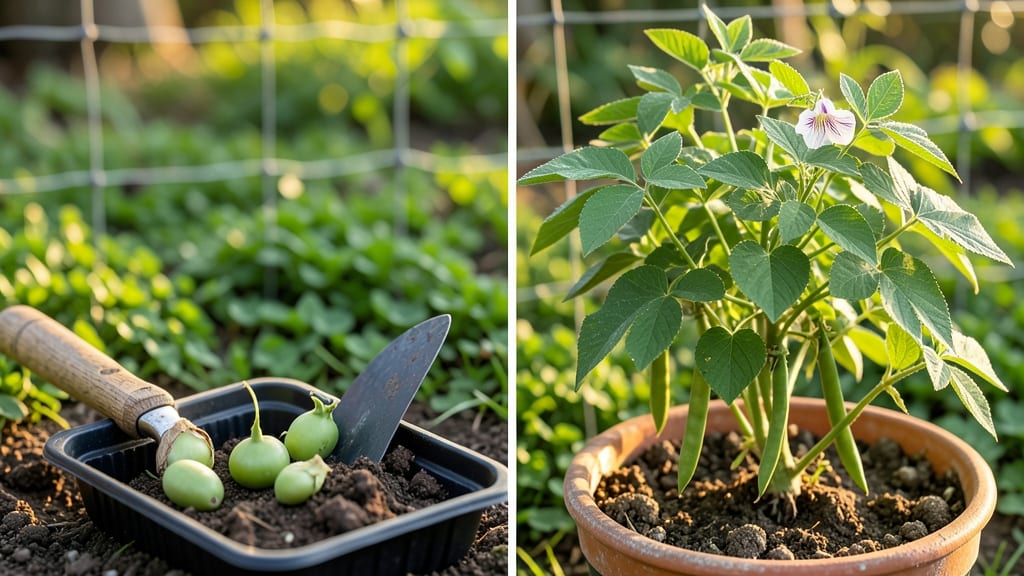
Plant green beans in Michigan after the last frost date — typically mid-April in Zone 5b and early May in Zone 4 — when soil temperatures hit 50°F.
Michigan gardeners know timing is everything — plant too early, and frost will wipe out your 🌱 green beans; too late, and your harvest shrinks. The difference between a thriving garden and a wasted effort often comes down to those frost-free dates.
Green beans thrive in Michigan’s climate when planted in two key windows: early spring (April–June) for a summer harvest or late summer (July) for a fall crop. The key is waiting until the soil warms and the risk of frost passes.
Below, I’ll break down the exact planting windows by zone, soil temperature tips, and how to stretch your harvest with succession planting. You’ll leave here with a clear plan to maximize your beans from seed to pod.
Michigan green bean planting dates by hardiness Zone 4-5
Green beans thrive in Michigan’s climate when planted at the right time—Zone 4’s shorter growing season demands earlier starts, while Zone 5’s longer frost-free period allows for extended harvests. The key is soil temperature (minimum 50°F) and last-frost averages, which vary by county.
Northern Michigan’s Upper Peninsula and Traverse City areas (Zone 4) often see frost until mid-May, while southern Detroit and Ann Arbor (Zone 5) typically warm up by mid-April. Plant too early, and frost will kill tender seedlings; too late, and you’ll miss peak harvests.
For bush beans (like Blue Lake or Contender) and pole beans (such as Kentucky Wonder), timing matters even more. Early varieties (e.g., Provider) can handle cooler soils, while late-season types (e.g., Tendergreen) need warmer conditions.
Below, I’ve broken down the optimal planting windows by zone, including soil temperature thresholds and county-specific frost averages to help you plan like a pro.
| Zone | Last Frost Avg. | Soil Temp. Threshold | Early Varieties | Mid Varieties | Late Varieties |
|---|---|---|---|---|---|
| Zone 4 (Northern MI) | May 10–20 | 50°F+ | May 1–15 (Provider, Blue Lake) | May 15–30 (Contender, Tendercrop) | June 1–15 (Kentucky Wonder) |
| Zone 5 (Southern MI) | April 20–May 5 | 50°F+ | April 25–May 10 (Blue Lake, Blue Lake II) | May 10–25 (Tendergreen, Maxibounce) | June 1–15 (Pole beans like Rattlesnake) |
| Fall Planting (Both Zones) | N/A | 60°F+ | July 20–August 10 | August 10–25 | August 25–September 10 |
In Zone 4, where counties like Marquette and Houghton experience later frosts, I recommend starting early varieties indoors 4–6 weeks before the last frost date. Use grow lights or a sunny windowsill to ensure seedlings are strong enough for transplanting by May 1–15.
For Zone 5, where Wayne County and Washtenaw County warm up faster, you can plant directly outdoors as early as late April, but always check a local frost calendar—like the one from Michigan State University Extension—for real-time updates.
For pole beans, which take longer to mature (60–70 days), aim to plant after June 1 in Zone 4 or May 25 in Zone 5.
These varieties benefit from trellises or cattle panels, which save space and improve airflow, reducing the risk of bean beetles—a common Michigan pest. If you’re growing dwarf varieties (like Mascotte), you can squeeze them into smaller spaces or even container gardens with at least 12-inch-deep pots.
Don’t overlook fall planting, which can extend your harvest into September or October. In both zones, plant heat-tolerant varieties (like Tendergreen) between July 20 and August 10 for a second crop. Soil temperatures drop faster in fall, so use black plastic mulch to retain heat and moisture.
In Zone 5, you might even get a harvest before the first frost—just keep an eye on nighttime temperatures and cover plants with row covers if a frost warning pops up.
Pro tip: Test your soil temperature with a soil thermometer before planting. Green beans won’t germinate well in cold soil, and waiting for 50°F+ ensures strong, healthy starts. If your soil is still chilly, consider starter fertilizers or compost to warm it up faster.
And remember—consistent moisture is critical. Water deeply once a week (or more in dry spells) to encourage deep root growth and prevent blossom-end rot, a common issue in Michigan’s variable climate.
For gardeners in transition zones (like Mid-Michigan around Lansing or Jackson
Michigan’s short growing season doesn’t mean you have to miss out on a long green bean harvest. With smart planning, you can stretch your growing window from early spring to crisp fall. The key? Succession planting, cold-hardy varieties, and protective tools like row covers. These strategies help you avoid the late-summer slump and keep your garden productive well into October. Start by choosing fast-maturing varieties like Blue Lake or Kentucky Wonder, which can produce pods in just 50-55 days. Pair these with cold-tolerant types such as Provider or Tendergreen, which handle cooler temperatures better. Together, they’re the foundation for extending your harvest window.How to extend Michigan’s green bean growing season for bigger harvests
For a fall harvest, time your second planting to mature before frost. Aim for seeds in the ground by late July, using varieties like Contender or Blue Lake Bush.
These can handle cooler temps and still produce tender pods into September. Just be sure to mulch heavily to retain soil warmth.
Protective measures like floating row covers or low tunnels can add 2-4 weeks to your season. These create a microclimate that shields plants from light frosts (down to 25°F). Remove covers on warm days to prevent overheating, and always secure edges to avoid wind damage.
Don’t forget to harvest regularly—every 2-3 days—to encourage more pod production. The more you pick, the more your plants will focus on growing new beans instead of setting seeds. This simple habit can double your yield over a season.
With these strategies, you’ll enjoy fresh green beans from June through October—no matter where you garden in Michigan. The secret? Plan ahead, protect your plants, and keep harvesting! 🌱