
Vegetables
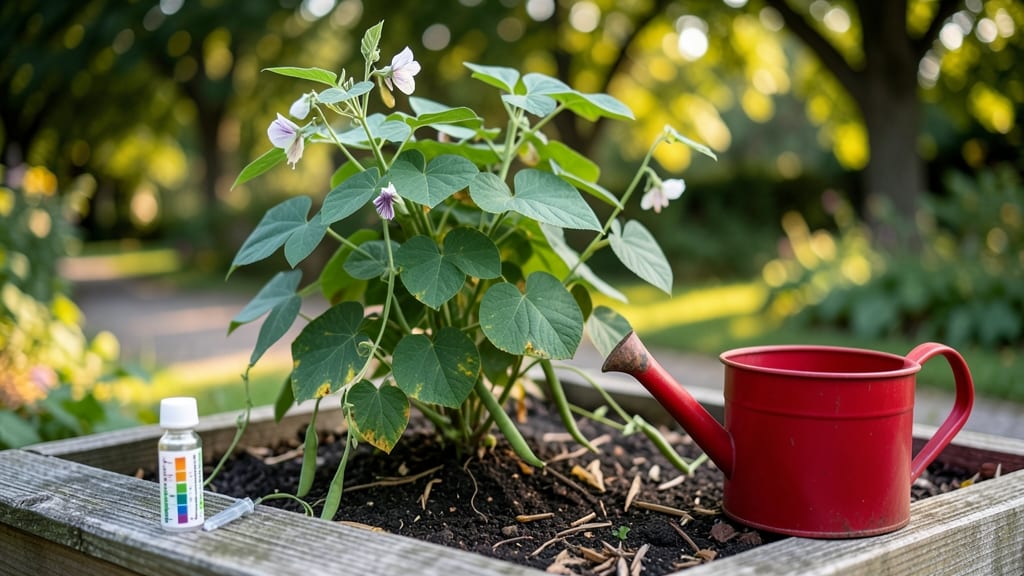
Green bean leaves turning yellow can turn a promising harvest into a sad pile of wilted foliage—unless you act fast. 🌱 I’ve seen this happen more times than I’d like, and the good news is most cases aren’t hopeless.
The key is identifying whether it’s a nutrient deficiency, overwatering, or something else entirely, then fixing it before the plant gives up.
Overwatering is the #1 culprit, followed by nitrogen deficiency (which shows up as pale yellow leaves) or even a hidden pest invasion. I once lost a whole row of beans to aphids because I ignored the tiny yellowing spots—don’t let that happen to you.
The fix often comes down to adjusting watering, feeding the soil, or giving your plants a good inspection.
You’ll get your beans back on track with the right approach—think vibrant green leaves and pods within 2-3 weeks if you catch it early. The secret is acting before the yellow spreads to the stems.
I’ll walk you through the most common causes and foolproof fixes that actually work in home gardens.
Even if you’ve tried everything before, this time will be different. We’re talking about saving your plants—not just replacing them. Let’s turn those sad yellow leaves into lush, productive foliage before the season’s over.
Root Causes of Yellowing Leaves
When your green beans start showing yellow leaves, it’s often a cry for help from the plant itself. Understanding the why behind this discoloration is the first step to restoring your garden’s health.
Below, we break down the most common culprits—each with a clear scientific explanation and actionable insights to help you diagnose the issue accurately.
---
Yellowing leaves in green beans can be a classic sign of overwatering or root rot, caused by soggy soil that starves roots of oxygen.
When soil remains waterlogged for extended periods, beneficial microbes die off, and anaerobic bacteria thrive, leading to: - Chlorosis (yellowing between leaf veins) due to disrupted nutrient uptake. - Root suffocation, which prevents the plant from absorbing essential minerals like nitrogen, iron, or magnesium. - Fungal infections (e.g., Pythium or Phytophthora), which thrive in wet conditions and block vascular pathways.
Key visual clue: Yellowing starts at the older leaves and may spread upward, often accompanied by a foul smell from the soil.
Actionable fix: - Check soil moisture by sticking your finger 2 inches deep—if it’s damp, hold off on watering. - Improve drainage by amending soil with perlite, sand, or compost (20-30% volume). - Use raised beds or containers if your garden soil is naturally heavy clay. - Ensure pots have drainage holes and never let plants sit in saucers of water.
---
Green beans are heavy feeders, and yellowing leaves often signal a nutrient deficiency—but sometimes, it’s the opposite: excess fertilizer causing salt buildup.
#### Deficiencies That Cause Yellowing: | Nutrient | Symptoms | Cause | |---------------------|-----------------------------------------------------------------------------|--------------------------------------------------------------------------| | Nitrogen (N) | Pale yellow leaves, stunted growth | Soil depletion or poor organic matter | | Iron (Fe) | Yellowing between veins (interveinal chlorosis), crispy edges | High pH (alkaline soil) or poor root uptake (e.g., waterlogged roots) | | Magnesium (Mg) | Yellow patches along veins, starting on older leaves | Over-fertilization with nitrogen, leaching from sandy soil | | Potassium (K) | Yellowing leaf edges, weak stems, poor fruit development | Overwatering, leaching, or imbalanced fertilizers |
Key visual clue: Deficiencies often start on older leaves (since nutrients are mobilized to new growth), while excess salts cause yellowing on younger leaves first.
Actionable fix: - Test your soil (pH and NPK levels) using a home test kit or send a sample to a lab. - For low nitrogen: Add compost, fish emulsion, or blood meal (follow package rates). - For high pH (alkaline soil): Acidify with sulfur, peat moss, or coffee grounds. - For magnesium deficiency: Apply Epsom salt (1 tbsp/gallon of water, sprayed on leaves or soil). - Flush the soil with water if you suspect salt buildup from over-fertilizing.
---
Green beans are cool-season crops, and excessive heat or direct scorching sunlight can cause yellowing, especially in varieties like pole beans or bush beans grown in hot climates.
How it happens: - Heat stress disrupts chlorophyll production, leading to bleached or yellowed leaf tissue, particularly on exposed surfaces. - Sunburn occurs when leaves are suddenly exposed to intense light (e.g., after transplanting or pruning). - Transpiration stress (rapid water loss in heat) can cause leaf edges to crisp and turn yellow/brown.
Key visual clue: Yellowing appears on leaf edges or sun-exposed sides, often with a papery or brittle texture.
Actionable fix: - Provide afternoon shade with row covers, shade cloth (30-50%), or plant near taller crops (e.g., corn or sunflowers). - Mulch heavily with straw or grass clippings to keep roots cool and retain moisture. - Water deeply in the morning to reduce evaporation (aim for 1-1.5 inches per week). - Avoid transplanting in peak sun—do it on cloudy days or in the early morning/evening.
---
While not always the first culprit, pests and pathogens can drain nutrients and block water flow, leading to yellowing leaves.
#### Common Culprits: - Aphids, spider mites, or whiteflies: Sap-sucking insects that distort leaves and cause yellow stippling (tiny yellow dots). - Bean beetles or Japanese beetles: Chew on leaves, leading to irregular yellow patches and holes. - Fungal diseases (Alternaria leaf spot, Powdery Mildew): Cause yellow halos around spots or white powdery growth on leaves. - Bacterial leaf spot: Creates water-soaked yellow lesions that turn brown and crusty.
Key visual clue: Look for holes, webbing, chewed edges, or discolored spots alongside yellowing.
Actionable fix: - Inspect leaves daily (especially undersides) for eggs, larvae, or webbing. - Spray with neem oil (1 tsp/gallon of water) or insecticidal soap for soft-bodied pests. - Remove infected leaves and destroy them (don’t compost). - Rotate crops annually to prevent soil-borne diseases. - Use row covers to block pests early in the season.
--- If you’ve recently transplanted your green beans or disturbed their roots (e.g., weeding too aggressively), the plant may go into survival mode, causing: - Temporary nutrient shutdown as roots recover. - Water uptake disruption, leading to wilting and yellowing. - Root pruning (if roots were cut during transplanting), slowing growth.
Key visual clue: Yellowing appears suddenly after disturbance, often paired with drooping stems or slow growth.
Actionable fix: - Water deeply after transplanting to reduce shock. - Avoid fertilizing for 1-2 weeks post-transplant (let roots establish first). - Use a root stimulator (e.g., mycorrhizal fungi or seaweed extract) to encourage regrowth. - Gently loosen soil around roots if compacted, but avoid excessive disturbance.
Quick Fixes for Yellowing Bean Leaves
Yellowing leaves on your green beans can be frustrating, but with the right approach, you can restore your plants to full health—often faster than you think! Below are practical, step-by-step solutions tailored to the most common causes, along with prevention tips to keep your beans thriving.
Let’s get your plants back on track!
---
Signs: Yellowing leaves (especially lower ones), soggy soil, wilting despite water. Why it happens: Too much moisture suffocates roots, leading to rot and nutrient uptake issues.
How to Fix It: 1. 🔥 Stop Watering Immediately Let the soil dry out completely before watering again. Stick your finger 1–2 inches into the soil—if it’s damp, wait.
2. 👨🍳 Improve Drainage - Add perlite, sand, or compost to heavy clay soil to loosen it. - If growing in containers, ensure pots have drainage holes and use a well-draining mix (e.g., 60% potting soil + 30% compost + 10% perlite).
3. ⏰ Adjust Your Watering Routine Water deeply but infrequently—aim for 1–1.5 inches per week, adjusting for rain. Early morning is best to prevent fungal issues.
💡 Prevention Tip: - Test your soil’s moisture before watering. Yellowing from overwatering often starts at the bottom leaves—trim them to redirect energy.
---
Signs: Yellowing edges, crispy leaves, wilting during peak sun (even with adequate water). Why it happens: Green beans prefer partial shade (4–6 hours of sun). Direct, intense sunlight can scorch leaves, while extreme heat disrupts nutrient absorption.
How to Fix It: 1. 🌿 Provide Shade Cloth Use 30–50% shade cloth if your beans are in full sun, especially in hot climates. Secure it 2–3 feet above the plants to allow airflow.
2. 🥗 Mulch to Retain Moisture Apply 2–3 inches of straw or wood chips around the base (but not touching stems) to keep roots cool and hydrated.
3. 🌡️ Water During Heatwaves If temps exceed 90°F (32°C), water twice daily—once in the morning and again in the late afternoon.
💡 Prevention Tip: - Plant in late spring or early fall to avoid peak summer heat. If growing in containers, move them to a shadier spot during midday.
---
Signs: Pale yellow leaves (chlorosis), stunted growth, weak stems. Often linked to nitrogen, magnesium, or iron deficiencies.
| Deficiency | Leaf Symptoms | Quick Fix | Prevention | |----------------|----------------------------------|----------------------------------------|-----------------------------------------| | Nitrogen | Older leaves yellow first | Apply balanced fertilizer (10-10-10) or compost tea | Side-dress with alfalfa meal every 4 weeks. | | Magnesium | Yellow patches between veins | Spray Epsom salt solution (1 tbsp per gallon of water) | Add dolomitic lime to soil annually. | | Iron | New leaves yellow, veins stay green | Use chelated iron supplement or ferrous sulfate | Test soil pH—iron locks in alkaline soil (pH >7.0). |
How to Fix It: 1. 🍳 Soil Test First Grab a DIY soil test kit ($10–$15) to confirm deficiencies before guessing. Adjust pH if needed (beans prefer 6.0–7.0).
2. 🥘 Organic Boosts - For nitrogen: Mix 1 cup compost + 1 tbsp blood meal into the soil around roots. - For magnesium: Water with Epsom salt solution (1 tbsp per gallon) every 2 weeks. - For iron: Use liquid iron chelate (follow package rates).
3. 🌱 Foliar Spray for Fast Relief Mix 1 tsp liquid seaweed extract in 1 gallon of water and spray leaves weekly for 2–3 weeks.
💡 Prevention Tip: - Rotate crops—don’t plant beans in the same spot yearly to avoid nutrient depletion. - Use worm castings as a slow-release fertilizer for balanced nutrition.
---
Signs: Yellowing + holes, chewed leaves, white powdery spots, or sticky residue (aphids/honeydew). Why it happens: Pests like aphids, spider mites, or fungal infections (e.g., powdery mildew) steal nutrients and damage foliage.
How to Fix It: 1. 🔪 Inspect Leaves Daily Flip leaves to check for eggs, webs, or tiny insects. Early detection = easier fixes!
2. 🍳 Natural Pest Control - Aphids/Spider Mites: Spray with soapy water (1 tsp mild soap + 1 quart water) or neem oil (1 tbsp per gallon). - Fungal Issues (powdery mildew): Apply baking soda spray (1 tsp baking soda + 1 quart water + few drops of soap).
3. 🌿 Encourage Beneficial Bugs Plant marigolds or basil nearby to attract ladybugs (aphid predators). Release praying mantis eggs for heavy infestations.
💡 Prevention Tip: - Prune infected leaves immediately and dispose of them in the trash (not compost). - Space plants 12–18 inches apart to improve airflow and reduce fungal spread.
--- - 🌱 Trim Damaged Leaves: Snip yellowing leaves to help the plant focus energy on new growth. - 🌡️ Monitor Temperature: Avoid planting beans if night temps drop below 50°F (10°C)—they’re frost-sensitive! - 📊 Track Progress: Keep a plant journal to note watering, fertilizing, and symptoms.
Patterns help diagnose future issues.
--- Remember: Yellow leaves can often be reversed within 1–2 weeks if you act on the root cause. Start with the most likely issue (overwatering? sun? pests?), and your green beans will bounce back stronger than ever! 🌱💚
Frequently asked questions
Why do my green bean leaves turn yellow first on the older ones?
This is usually a sign of nutrient deficiency, especially nitrogen or magnesium. Plants often sacrifice older leaves to keep younger growth alive. Check if the soil is dry or compacted—roots may struggle to absorb nutrients. Try adding compost or Epsom salt (for magnesium) and monitor for improvement in 1-2 weeks.
Can yellow leaves on green beans spread to the pods?
Yes, if left unchecked. Yellowing leaves mean the plant is stressed and can't support healthy pods. Act fast by checking soil moisture, adjusting watering, and adding nutrients. If you see yellowing on new leaves, it’s often a sign of overwatering or fungal issues—trim affected leaves immediately to prevent spread.
How do I tell if my beans need more water or less?
Stick your finger 1-2 inches deep into the soil—if it’s damp, you’re overwatering. If dry, water deeply until it reaches 6 inches down. Yellowing from overwatering starts at the bottom leaves and smells sour, while underwatering causes crispy edges and wilting. Mulch with straw to retain moisture and improve soil health.
Is it safe to eat green beans with yellow leaves?
Yes, but only if the yellowing is mild and not caused by pesticides or disease. Remove heavily yellowed or damaged leaves before eating. Avoid beans from plants with black spots, mold, or chemical treatments. If you’re unsure, check for pests first—aphids or mites can contaminate the pods.
Why do my container-grown green beans turn yellow faster?
Containers dry out quicker and can trap excess moisture, leading to root rot. Ensure pots have drainage holes and use a well-draining mix (60% potting soil + 30% compost + 10% perlite). Water only when the top 1 inch of soil is dry, and avoid letting plants sit in saucers of water. Yellowing in containers often signals nutrient depletion—fertilize lightly with fish emulsion every 4 weeks.