
Companion Plants
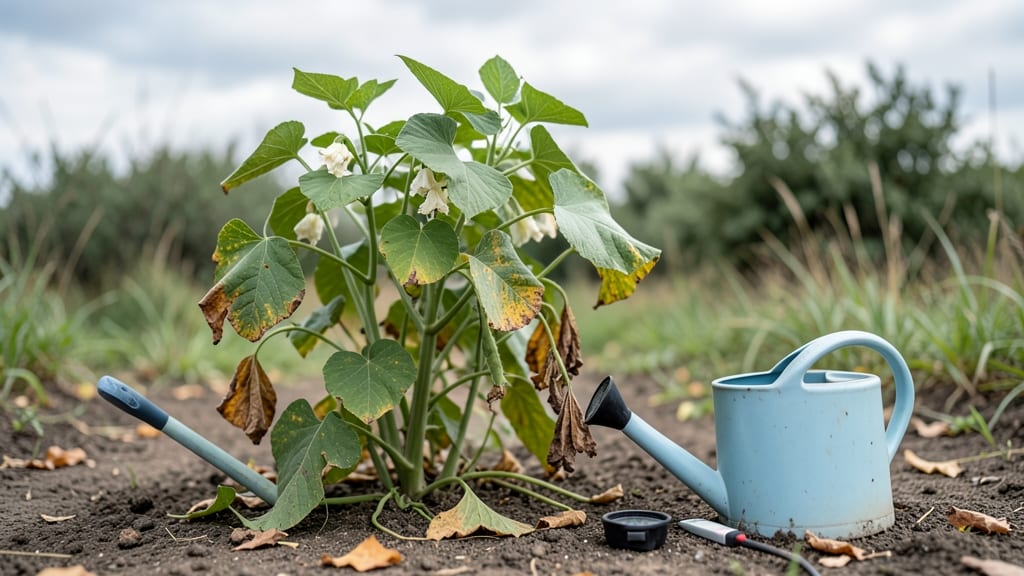
Your green bean plants wilting and dying? 🌱 Root rot might be the culprit—and the good news is, you can often save them with just three simple adjustments.
I’ve nursed back multiple batches of beans that looked ready for the compost pile, and the secret lies in fixing water, soil, and airflow before the damage spreads.
Start by checking the roots: healthy ones are firm and white, while rotten ones smell sour and turn mushy brown. Overwatering is the usual villain, but underwatering can stress plants enough to invite pests or disease.
If your soil stays soggy for days after watering, that’s your first clue—beans need well-draining soil and water only when the top inch feels dry.
Once you’ve adjusted your watering, give the plants a breath of fresh air. Prune away any yellow or wilted leaves (they’re just slowing recovery), and loosen the soil around the base to improve drainage. Within a week, you’ll see new green growth pushing through—proof the roots are healing.
Prevent future crises by rotating crops (beans are heavy feeders) and mixing in compost to keep soil light and airy. This method works for bush and pole varieties alike, and the best part? You’ll end up with beans that stay strong all season long.
Root Causes of Bean Plant Decline
When your green bean plants start wilting and dying, it’s often a cry for help from the roots—or something even more urgent. Understanding the why behind the problem is the first step to saving your harvest.
Below, we break down the most common culprits, backed by science, so you can diagnose the issue like a pro.
Green beans thrive in consistent moisture, but too much water is a silent killer. Overwatering suffocates roots by cutting off oxygen, while poor drainage traps excess water, creating the perfect conditions for root rot (caused by fungi like Pythium or Phytophthora).
- Signs: Yellowing leaves, mushy stems at the base, and soil that stays soggy for days.
- Why it happens:
- Compacted or clay-heavy soil holds water instead of letting it drain.
- Plastic pots or containers without drainage holes trap moisture.
- Frequent watering without checking soil moisture (stick your finger 1–2 inches down—if it’s damp, wait).
- Actionable fix:
- Amend soil with perlite, sand, or compost to improve aeration.
- Water only when the top inch of soil is dry (not on a schedule).
- Ensure pots have drainage holes and elevate them to prevent water pooling.
Green beans are tender perennials that prefer moderate temperatures (60–80°F). When exposed to heatwaves above 90°F or frost below 50°F, their metabolic processes slow or shut down, leading to wilting and eventual death.
- Signs: Leaves curl, turn brown at the edges, or droop suddenly—even with adequate water.
- Why it happens:
- Heat stress causes transpiration to outpace water uptake, dehydrating leaves.
- Cold damage disrupts cell membranes, leading to chilling injury (visible as blackened or glassy stems).
- Actionable fix:
- Provide shade cloth (30–50%) during heatwaves or use row covers for frost protection.
- Mulch with straw or grass clippings to regulate soil temperature.
- Avoid planting beans in low-lying areas where cold air pools.
Hidden attackers like bean beetles, aphids, or fungal pathogens (e.g., Anthracnose) can drain nutrients and block water transport, causing wilting. Root-feeding pests (e.g., cutworms) sever vascular tissues, while foliar diseases clog stomata, preventing gas exchange.
- Signs:
- Pests: Chewed leaves, sticky residue (aphid honeydew), or tiny holes.
- Diseases: Dark spots on leaves, white mold on stems, or wilting that spreads plant-to-plant.
- Why it happens:
- Overcrowded plants reduce airflow, trapping humidity and inviting fungi.
- Weakened plants (from poor soil or stress) are easier targets for pathogens.
- Actionable fix:
- Inspect undersides of leaves and soil for pests—handpick beetles or spray with neem oil.
- Remove infected plants immediately and disinfect tools with rubbing alcohol.
- Rotate crops yearly to break disease cycles.
Green beans are heavy feeders that need a balanced diet of nitrogen (N), phosphorus (P), and potassium (K). Deficiencies disrupt photosynthesis and root growth, leading to wilting even when soil looks moist.
| Deficiency | Symptoms | Cause | Fix |
|---|---|---|---|
| Nitrogen (N) | Pale yellow leaves (older first), stunted growth | Leached soil or over-fertilizing with P/K | Add compost or blood meal (high-N organic amendment). |
| Potassium (K) | Yellowing leaf edges, weak stems, wilting under stress | Poor soil or excessive rain washing out K | Use wood ash or greensand (1 tbsp per plant). |
| Magnesium (Mg) | Interveinal yellowing (like a net), crispy edges | Compacted or acidic soil | Apply Epsom salt (1 tbsp/gallon of water) as a foliar spray. |
Pro tip: 💡 Test your soil every 2–3 years to catch imbalances early. A pH of 6.0–7.0 is ideal for beans.
Now that you’ve identified the likely culprit, the next step is treatment—but the fix depends entirely on the diagnosis. Stay tuned for our 3-step rescue guide to revive your green beans!
Revive Your Green Beans Now
Wilted or dying green bean plants can feel like a heartbreaking setback, but with the right fixes, you can often bring them back to life—or at least salvage the harvest.
Below are practical, step-by-step solutions tailored to the most common causes of wilting and decline, along with prevention tips to keep your beans thriving.
---
If your green beans are wilting despite consistent watering, root rot (often caused by overwatering or poor drainage) is likely the culprit. Here’s how to tackle it:
#### 🔥 Step 1: Stop Watering Immediately - Why? Fungal root rot thrives in soggy soil. Let the top 1–2 inches dry out before watering again. - Action: Pause irrigation for 24–48 hours to allow excess moisture to evaporate.
#### 🍳 Step 2: Improve Soil Drainage - Why? Compacted or clay-heavy soil traps water, worsening rot. - Action: - Mix in coarse sand, perlite, or compost (25% of the soil volume) to loosen it. - If planting in containers, ensure pots have drainage holes and use a well-draining potting mix.
#### 👨🍳 Step 3: Treat with Fungicide (If Needed) - Why? Severe cases may require a fungal inhibitor to stop the spread. - Action: - Use a copper-based fungicide (like copper sulfate) or a hydrogen peroxide solution (1 tablespoon per gallon of water) to drench the soil. - Avoid chemical fungicides if you plan to eat the beans—opt for organic options like neem oil.
#### 🥘 Step 4: Prune Damaged Roots (For Potted Plants) - Why? Black, mushy roots are beyond saving and can infect healthy roots. - Action: - Gently remove the plant from its pot. - Trim rotted roots with sterilized scissors, leaving only firm, white roots intact. - Repot in fresh, dry soil and water lightly.
#### ⏰ Step 5: Monitor & Adjust Watering - Why? Root rot often returns if watering habits don’t change. - Action: - Water only when the top inch of soil is dry (stick your finger in to check). - Water deeply but infrequently—aim for 1–1.5 inches per week (adjust for rain).
--- If the soil is bone-dry and leaves are crispy, your beans are severely dehydrated. Act fast:
#### 💡 Pro Tip: Deep Watering > Frequent Shallow Watering - Why? Shallow watering encourages weak roots that can’t reach moisture. - Action: - Water slowly and deeply (10–15 minutes per session) until water drains from the bottom. - Use a soaker hose or drip irrigation to deliver water directly to the roots.
#### 🌡️ Step 1: Rehydrate Gradually - Why? Sudden soaking can shock stressed plants. - Action: - Water every 2–3 hours for 4–6 hours on the first day, then taper to daily watering until soil is consistently moist.
#### 🎯 Step 2: Mulch to Retain Moisture - Why? Mulch (straw, grass clippings, or wood chips) locks in moisture and cools roots. - Action: - Apply a 2–3 inch layer around the base (keep mulch away from stems to prevent rot).
#### ✨ Step 3: Provide Afternoon Shade (If in Extreme Heat) - Why? Wilting can worsen under midday sun stress. - Action: - Use a shade cloth (30–50%) or move pots to a partially shaded spot for a few days.
--- If wilting is paired with yellowing leaves, holes, or strange spots, pests or pathogens may be to blame.
#### 🔪 Step 1: Identify the Culprit Common offenders: - Aphids/Spider Mites → Sticky leaves, webbing. - Fungal Leaf Spot → Dark spots with yellow halos. - Japanese Beetles → Skeletonized leaves.
#### 💡 Pro Tip: Early Detection Saves Plants - Action: Inspect undersides of leaves and new growth daily. Quarantine affected plants if possible.
#### 🌿 Step 2: Remove Infested Parts - Why? Cutting off damaged leaves stops the spread. - Action: - Snip off wilting or spotted leaves with sterilized pruners. - Dispose of debris in a sealed trash bag (not compost).
#### 🛡️ Step 3: Apply Natural Repellents - For Pests: - Neem oil spray (1 tsp + 1 quart water + drop of dish soap) every 5–7 days. - Soap spray (1 tbsp mild soap per gallon of water) for aphids. - For Fungal Issues: - Baking soda spray (1 tbsp baking soda + 1 quart water + drop of soap) weekly.
--- Once your beans recover, break the cycle with these habits:
| Problem | Prevention Tip | |----------------------|-----------------------------------------------------------------------------------| | Root Rot | Plant in raised beds or containers with drainage.
Use well-draining soil. | | Underwatering | Install a moisture meter or drip irrigation for consistency. | | Pests/Diseases | Crop rotate—don’t plant beans in the same spot yearly.
Use companion plants like marigolds or nasturtiums. | | Heat Stress | Mulch heavily and water in early morning to reduce evaporation. |
--- Final Thought: Green beans are resilient—with the right care, they often bounce back! Focus on soil health, smart watering, and early intervention, and your plants will reward you with a bountiful harvest. 🌱💚
Frequently asked questions
Why do my green bean leaves turn yellow before wilting?
Yellowing leaves before wilting usually signal nutrient deficiencies or root stress. Check for nitrogen deficiency (pale yellow older leaves) or potassium deficiency (yellow edges). Overwatering or poor drainage can also cause roots to suffocate, preventing nutrient uptake. Test your soil pH—beans prefer 6.0–7.0.
Can I save green beans that have completely wilted?
Yes, but act fast! If stems are still firm (not mushy), they may recover. Cut back 1/3 of the plant to reduce stress, then water deeply in the morning. Provide afternoon shade for 3–5 days while roots recover. If stems are soft or smell sour, root rot has likely set in and the plant is beyond saving.
How often should I water green beans to prevent wilting?
Water when the top 1 inch of soil feels dry—about 1–1.5 inches per week, adjusting for rain. Use a soaker hose or drip irrigation to deliver water directly to roots. Avoid overhead watering, which can spread fungal diseases. Morning watering prevents evaporation and fungal growth.
What’s the difference between wilting from heat stress and dehydration?
Heat stress causes sudden wilting with curled, brown-edged leaves even when soil is moist, while dehydration shows crispy, dry leaves and dry soil. For heat stress, provide shade and water deeply in the morning. For dehydration, water gradually over 4–6 hours to rehydrate without shocking the plant.
Are there any companion plants that help prevent green bean wilting?
Yes! Plant marigolds, nasturtiums, or radishes nearby—they repel pests like aphids and bean beetles. Avoid planting beans near fennel or onions, which can stunt their growth. Companion planting improves airflow, reducing humidity and fungal risks while attracting beneficial insects.