
Container Gardens
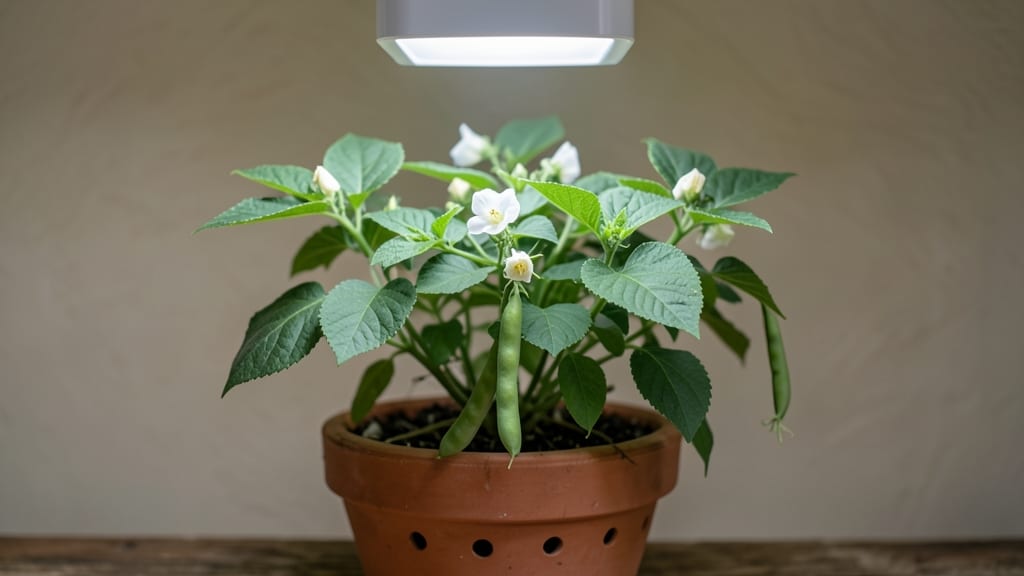
Growing beans indoors transforms tiny spaces into productive greenhouses. 🌱 I've turned my sunless apartment balcony into a bean factory using dwarf varieties and a clever lighting trick that tricks vines into thinking they're outside.
The secret? 5-6 hours of direct light daily—either from a south-facing window or a basic grow light. Bush beans like 'Blue Lake' or 'Contender' stay compact enough for containers, while pole beans like 'Kentucky Wonder' climb trellises that fit on a shelf.
The right soil mix (60% potting soil, 40% compost) keeps roots happy without soggy bottoms. You'll harvest tender pods in 6-8 weeks, with plants producing for months if you keep pruning and pollinating by hand (just gently shake the flowers).
The smell of fresh beans in your kitchen? Unmatched. Works for any indoor spot—even basements with supplemental light. Here's how to set it up without killing your plants before they even sprout.
📚 In This Guide
- What you need
- Instructions
- Tips and common mistakes
- Wrapping up and next steps
What you need
- ● Bean Seeds: Choose fast-growing varieties like Bush Blue Lake or Scarlet Runner. Aim for 3–5 seeds per container (they germinate quickly!).
- ● Containers: Use 5–7 inch deep pots (beans need room for roots!). Opt for drainage holes or place saucers under pots to prevent soggy soil. 5-gallon buckets or fabric grow bags work great for larger batches.
- ● Potting Mix: A well-draining, nutrient-rich mix (e.g., 50% coco coir, 30% perlite, 20% compost). Avoid garden soil—it’s too dense!
- ● Grow Lights: A full-spectrum LED grow light (e.g., 12–15W bulb) or a clip-on LED panel. Position it 6–12 inches above plants for 12–16 hours/day.
- ● Watering Can or Spray Bottle: Beans hate soggy roots! A gentle spray or bottom-watering tray keeps moisture consistent.
- ○ Support Structures (Optional but Helpful): Trellis or Cage: Use a 5–6 ft tall bamboo trellis or metal tomato cage for climbing varieties.
- ● String or Twine: Tie plants loosely to guides as they grow (avoid tight knots!).
- ● Fertilizer: A balanced liquid fertilizer (10-10-10) or compost tea every 2–3 weeks after germination.
- ● Humidity Dome: A clear plastic cover or humidity tent speeds up germination (remove once sprouts appear!).
- ● Soil Moisture Meter: Beans prefer consistently moist (not soggy) soil. A meter takes the guesswork out!
- ● Decorative Accents: Add pebbles or moss to pots for a cute, functional touch.
Step-by-step instructions for growing beans indoors
Here's how to coax vigorous bean vines indoors using just a sunny window and a few clever tricks.
🌱 Step 1: Choose the Right Variety and Prep Containers
Select a bush bean variety like 'Blue Lake' or 'Kentucky Wonder'—these compact types thrive in containers and don't need trellises. Avoid pole beans unless you're prepared to provide vertical support. I use 5-7 gallon containers for each plant since beans have deep roots that need room to stretch downward.
Fill each container with a well-draining potting mix (never garden soil—it compacts too much indoors). Add a handful of compost or worm castings for nutrients, then moisten the mix until it's damp but not soggy. Tap the container gently to settle the soil without compacting it. This ensures roots can access air and water evenly.
☀️ Step 2: Position for Maximum Light and Warmth
Beans need 6-8 hours of direct sunlight daily, but most indoor spaces can't deliver that. Place your containers on a south-facing windowsill or under a grow light for 14-16 hours of light if natural light is insufficient. I rotate my pots quarter-turn daily so vines grow straight instead of leaning toward the light.
Keep the soil warm—beans germinate best at 75-85°F. If your home runs cooler, place containers on a seedling heat mat or near a warm wall. Once sprouted, maintain 65-75°F during the day and 60°F at night for steady growth. Watch for yellowing leaves—this signals either too much cold or too little light.
💧 Step 3: Plant Seeds and Maintain Moisture
Sow 2-3 seeds per container, planting them 1 inch deep and 2 inches apart. Cover lightly with soil and mist the surface until damp. Place the container in a plastic bag (like a gallon ziplock with holes punched in it) to trap warmth and humidity—this speeds germination to 5-10 days. Remove the bag once sprouts appear to prevent mold.
Water only when the top inch of soil feels dry—overwatering causes root rot, which beans hate. Use room-temperature water to avoid shocking the plants. Once seedlings have 2-3 true leaves, thin to the strongest plant per container. Weak stems will compete for nutrients and stunt growth.
🪴 Step 4: Support Growth and Encourage Bushiness
If growing bush beans, no support is needed—but if you're experimenting with pole beans indoors, install a small trellis or bamboo stake near the plant as soon as it's 4 inches tall. Gently weave vines onto the support to train them upward. This saves space and prevents sprawling.
Fertilize lightly every 4-6 weeks with a balanced, water-soluble fertilizer (like 10-10-10) diluted to half-strength. Too much nitrogen makes leaves grow at the expense of pods. Instead, focus on potassium and phosphorus to boost flowering and fruiting. You'll know it's working when you see white flowers followed by tiny pods within 6-8 weeks.
✂️ Step 5: Harvest and Prune for Continuous Production
Pick beans when pods are firm and 4-6 inches long—this encourages more flowers to set. Use scissors or pinch them off at the stem to avoid damaging the plant. Harvesting regularly prevents vines from becoming woody and extends the harvest season. I check my plants every 2-3 days during peak production.
After the first flush of pods, trim back any yellow or brown leaves with clean scissors to redirect the plant's energy. If growth slows in late summer, give the soil a light top-dressing of compost and increase humidity with a pebble tray under the pot. With proper care, bush beans can produce for 8-10 weeks indoors.
Tips & tricks for thriving indoor bean gardens
Here's what I've learned after growing beans indoors for years—these tricks make all the difference when space and light are limited.
Light Optimization: If natural light falls short of the required 14-16 hours, supplement with a simple LED grow light positioned 6-12 inches above the plants. I use a timer to provide light during early mornings or evenings when sunlight is weak. Position the light so it covers the entire plant, not just one side—this prevents lopsided growth. The key is consistency: beans need predictable light cycles to set flowers and produce pods reliably.
Soil Temperature Secret: The 75-85°F germination range is non-negotiable—any cooler and seeds may rot before sprouting. I've found that placing containers on a seedling heat mat during germination (before sprouts appear) cuts germination time from 10-14 days to just 5-7 days. Once sprouted, maintain daytime temps between 65-75°F by moving pots closer to a warm wall or using a small space heater during winter months. Nighttime dips below 60°F can stall growth entirely.
Container Depth Matters: Those 5-7 gallon containers aren't arbitrary—I've tried smaller pots and watched roots circle helplessly, starving the plant. For bush beans, the depth allows roots to establish properly, while the width prevents overcrowding. Pro tip: If you're short on containers, use fabric grow bags instead of rigid pots—they're breathable and prevent root suffocation as the plant grows.
Harvesting Hack: The 2-3 day harvest frequency during peak production might seem tedious, but it's worth it. I've found that using a small pair of kitchen scissors (cleaned with rubbing alcohol) makes harvesting faster than pinching by hand. More importantly, harvest pods when they're 4-6 inches long—this is when they're most tender and flavorful. Waiting just a day longer can turn sweet pods into tough, fibrous ones that even cooking won't salvage.
Pro Tips for Growing Beans Indoors
- Here's what I've learned after growing beans indoors for years—these tricks make all the difference when space and li...
- Light Optimization: If natural light falls short of the required 14-16 hours, supplement with a simple LED grow light...
- Soil Temperature Secret: The 75-85°F germination range is non-negotiable—any cooler and seeds may rot before sproutin...
Frequently asked questions
Got questions about growing beans indoors? You’re not alone—indoor gardening can be tricky, but with the right approach, you’ll have thriving vines in no time! Here are some of the most common questions (and answers) to help you succeed.
Can I grow beans indoors without sunlight?
Yes! While beans need light, they can thrive under grow lights (LED or fluorescent) for 12–16 hours daily. Place lights 6–12 inches above plants and adjust as they grow. A sunny windowsill works too, but supplement with artificial light if natural light is weak.
How long does it take for indoor beans to grow?
From seed to harvest, expect 6–12 weeks for bush beans and 8–14 weeks for pole beans. Speed depends on variety, warmth (70–80°F), and light. Check seed packets for specific timelines—patience pays off with fresh, homegrown pods!
What’s the best container for indoor beans?
Use deep containers (10+ inches) for roots and drainage holes to prevent rot. Five-gallon buckets, fabric grow bags, or tall pots work well. For pole beans, add a trellis or stakes early to save space and encourage upward growth.
Why are my indoor bean plants wilting or turning yellow?
Common culprits: overwatering (check soil moisture—top inch should dry), poor drainage (use well-draining soil), or nutrient deficiency (fertilize lightly with balanced fertilizer every 3–4 weeks). Yellow leaves? Boost nitrogen; brown edges? Reduce water.
Can I grow other legumes indoors like I do beans?
Try lentils, peas, or dwarf soybeans—they’re great for containers. Follow similar care: light, warmth, and support. Just note that some (like peas) need a trellis, while others (like lentils) grow low. Experiment to find your favorite!
Wrapping up and next steps
Growing beans indoors is a rewarding way to enjoy fresh, homegrown produce—even in small spaces! With the right sunlight hack, you can cultivate bushy vines and a thriving harvest without needing a backyard.
Whether you're a beginner or a seasoned gardener, this method proves that container gardening can be both fun and productive.
Ready to take the next step? Start with a single pot and experiment with varieties—you’ll be amazed at what you can grow! 🌱 Happy planting!