
Flowers
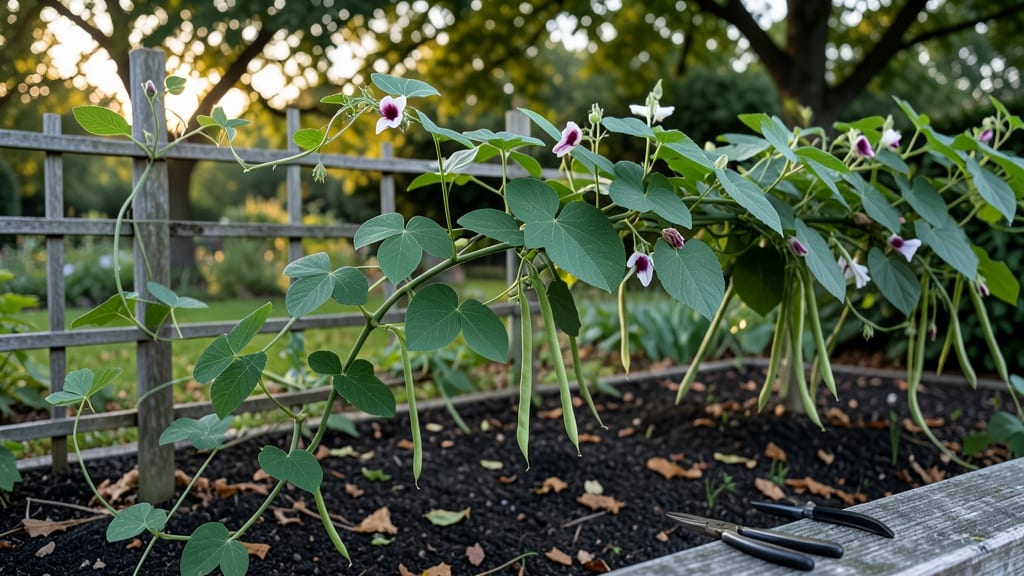
Growing hyacinth bean vine flowers transforms any fence or trellis into a fragrant, blooming paradise in just 90 days. 🌿 I learned the hard way that these vines aren’t just pretty—they’re fast growers with sweet-smelling blossoms that attract bees and hummingbirds. The key?
Start with the right soil mix and a sturdy support structure. These vines thrive in well-draining soil and full sun, but they’re surprisingly forgiving if you give them consistent water—about 1 inch per week.
Varieties like ‘Blue Dawn’ or ‘White Pearl’ produce clusters of fragrant flowers in shades of blue, white, or pink, while the pods add a bonus: they’re edible when young and crisp. Prune regularly to encourage more blooms, and watch your vertical space explode with color.
By mid-summer, you’ll have a lush, fragrant canopy that outshines most annuals. The flowers last for weeks, and the vines keep growing until frost. Even if you’re new to climbing plants, hyacinth beans are foolproof—just give them space to climb and room to shine.
Perfect for trellises, arbors, or even balcony railings, these vines bring both beauty and function to any garden. Ready to grow yours?
📚 In This Guide
- What you need
- Instructions
- Tips and common mistakes
- Wrapping up and next steps
What you need
- ● Hyacinth Bean Vine Seeds (Lablab purpureus) – 5–10 seeds (choose a fragrant variety like ‘Teleky’ or ‘Purple Hyacinth Bean’).
- ● Garden Soil or Potting Mix – 1–2 bags (5–10 lbs each), well-draining and rich in organic matter.
- ● Containers or Garden Bed – 5–10 gallon pots (with drainage holes) or a sunny garden spot (6+ hours of sunlight daily).
- ● Compost or Fertilizer – Balanced 10-10-10 or organic compost (1 cup per plant at planting time).
- ● Watering Can or Hose – For gentle, deep watering (avoid soggy roots!).
- ● Gloves – To protect hands from seed pods (can be slightly prickly).
- ● Trellis or Support Structure – 4–6 ft tall (bamboo stakes, wire mesh, or a pergola)—hyacinth beans climb fast!
- ● Pruning Shears – For trimming leggy vines or deadheading spent blooms.
- ● Mulch – Straw or shredded leaves (2–3 inches) to retain moisture.
- ○ Slow-Release Fertilizer – Optional (e.g., osmocote) for extended blooming.
Step-by-Step instructions for growing fragrant hyacinth bean vines
Here’s how to coax these fragrant climbers into stunning vertical displays—no green thumb required.
🌱 Step 1: Start Seeds Indoors for Early Blooms
Sow seeds 6-8 weeks before your last frost date in 4-inch pots filled with seed-starting mix. Press each seed ½ inch deep—they’re large, so no need to worry about burying them too shallow. Keep the soil consistently moist but not soggy; these seeds need steady moisture to break dormancy.
Place pots in a warm spot (65-75°F) with bright, indirect light. A seedling heat mat speeds germination, which typically occurs in 10-14 days. Watch for the first true leaves—these will be broad and dark green, signaling it’s time to move seedlings into stronger light.
☀️ Step 2: Harden Off and Transplant After Frost
Once seedlings have 4-5 leaves and nighttime temperatures stay above 50°F, it’s time to transplant. Choose a location with full sun (6+ hours daily) and a sturdy trellis or fence—hyacinth beans climb aggressively and need support. Bury the roots 1 inch deeper than they were in pots to encourage stability.
Water deeply at transplanting to settle the soil, then maintain 1 inch of water per week (more in extreme heat). The vines will start climbing within 2-3 weeks, so install your trellis early. Mulch around the base with 2-3 inches of organic mulch to retain moisture and deter weeds.
🌿 Step 3: Train Vines and Encourage Blooms
Gently guide the vines along the trellis as they grow, tying them with soft twine if needed. These plants thrive when pruned lightly—pinch back the tips when vines reach 6 feet tall to promote bushier growth and more flowers. You’ll see clusters of fragrant blossoms forming along the stems in 60-90 days from transplanting.
Deadhead spent flowers to redirect energy into new blooms, but leave some seed pods if you want next year’s plants. The flowers are most fragrant in the morning, so plan your garden visits accordingly. Watch for aphids—spray with soapy water if you spot clusters on new growth.
✂️ Step 4: Harvest Seeds and Prepare for Winter
When seed pods turn brown and papery (8-10 weeks after flowering), harvest them by twisting gently. Dry the pods indoors for 1-2 weeks before storing seeds in a cool, dark place. These seeds remain viable for 2-3 years, making them easy to save for future plantings.
After the first frost, cut back the vines to 6 inches tall and compost the debris. The roots will survive mild winters in zones 7-10; in colder areas, mulch heavily and protect with burlap. Next spring, new shoots will emerge from the base, ready to climb and bloom again.
Tips & tricks for growing fragrant climbing bean vines
These insider tips will help you transform your garden into a fragrant paradise without the guesswork.
Seed Starting Wisdom: For the best germination results, soak your hyacinth bean seeds in warm water for 4-6 hours before planting. This pre-soaking mimics natural rainfall and helps break dormancy—something I learned after struggling with slow germination in my first attempt. Use a seedling heat mat set to 75°F for consistent warmth, which mimics their tropical origins and speeds up those first critical days of growth.
Transplanting Technique: When hardening off your seedlings in Step 2, gradually increase their outdoor exposure over 7-10 days rather than moving them directly from indoor warmth to full sun. Start with 1-2 hours of morning sun, then gradually extend their time outside. This slow acclimation prevents shock and gives their leaves time to develop protective pigments. I've seen seedlings wilt dramatically when rushed—don't make that mistake!
Climbing Support Strategy: Install your trellis or fence before the vines reach 3 feet tall. These aggressive climbers will twist around anything available, but proper support from the start prevents tangled growth and makes training easier. Use soft twine to gently guide the main stems rather than forcing them—hyacinth beans climb naturally using tendrils, and respecting their growth pattern leads to stronger plants. The 6-foot height mentioned in Step 3 is ideal for most garden spaces, but you can adjust based on your available vertical space.
Winter Protection: In colder climates (zones 1-6), consider wrapping your trellis structure in burlap after cutting back the vines. This creates a microclimate that protects tender roots from freezing winds. I've had success using straw bales around the base for additional insulation. Remember, these vines are perennial in warmer zones, but even in colder areas, the roots often survive to produce new growth in spring.
Pro Tips for Hyacinth Bean Vine Flowers
- These insider tips will help you transform your garden into a fragrant paradise without the guesswork.
- Seed Starting Wisdom: For the best germination results, soak your hyacinth bean seeds in warm water for 4-6 hours bef...
- Transplanting Technique: When hardening off your seedlings in Step 2, gradually increase their outdoor exposure over ...
Frequently asked questions
Got questions about growing or caring for hyacinth bean vine flowers? You’re not alone! Here are some of the most common queries—plus quick, practical answers to help you cultivate these stunning climbers with confidence.
How fast do hyacinth bean vine flowers grow?
These vines are fast growers! With the right conditions (sunlight, support, and consistent watering), you can expect lush foliage in as little as 30–45 days and fragrant flowers blooming in 60–90 days. Patience pays off—once established, they’ll climb aggressively (up to 10–15 feet) and reward you with vibrant blossoms all summer long.
Are hyacinth bean vines toxic to pets or humans?
While the flowers and seeds are generally non-toxic, the leaves and pods contain lathyrism-related compounds that can cause mild digestive upset if ingested in large quantities. Keep pets away from chewing on the plant, and avoid consuming raw seeds or leaves. Cooked seeds (like edible hyacinth beans) are safe in moderation—just remove any bitter-tasting parts first!
Can hyacinth bean vines grow in shade?
These vines thrive in full sun (6+ hours daily) for the best blooms, but they’ll tolerate partial shade (4–6 hours of sunlight). In shadier spots, expect fewer flowers and slower growth. If your garden is low-light, choose a south- or west-facing trellis or supplement with a grow light to encourage vigorous climbing and abundant blossoms.
How often should I water hyacinth bean vines?
Keep the soil consistently moist but not soggy—especially during the first 30 days of growth. Water deeply 2–3 times per week in hot/dry climates, or when the top inch of soil feels dry. Once established, they’re drought-tolerant, but regular watering (especially during flowering) ensures vibrant blooms. Mulch around the base to retain moisture and prevent weeds.
Why aren’t my hyacinth bean flowers opening?
Blooms might stay closed due to stress factors like:
- Cold temperatures (below 50°F/10°C): Move vines to a sheltered spot or use frost cloth.
- Too much direct sun: Provide afternoon shade in scorching climates.
- Underwatering: Check soil moisture—wilting can cause buds to drop.
- Nutrient deficiency: Feed with a balanced fertilizer (10-10-10) every 4–6 weeks.
Wrapping up and next steps
Transforming your garden with hyacinth bean vine flowers is a rewarding journey that blends beauty, fragrance, and speed! 🌸 Whether you're a seasoned gardener or a beginner, these vines offer a fast-growing, low-maintenance way to add vertical charm to any space.
With just a little patience and care, you’ll soon be enjoying their stunning blooms and delicious edible pods.
Ready to take the next step? Start by gathering your supplies—seeds, soil, and a sturdy trellis—and plant your first batch this weekend. Before you know it, your garden will be alive with color, scent, and the joy of watching nature thrive under your touch!