
Watering
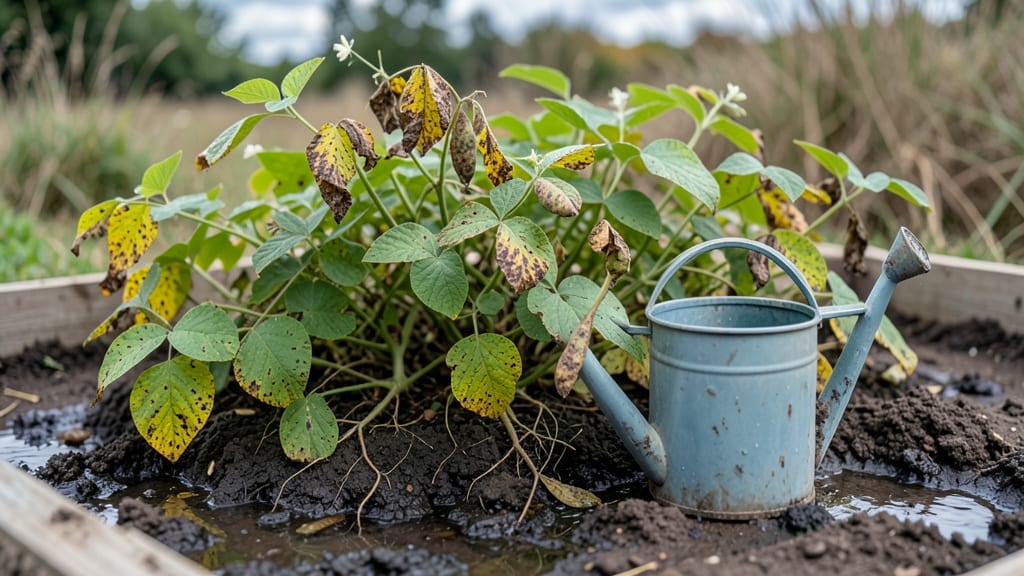
Those overwatered bean plants of yours might seem beyond saving, but yellowing leaves and floppy vines are just a cry for help—here’s how to revive them. 🌱 The key? Stopping the water first, then giving roots room to breathe again.
Start by checking the soil: if it’s mushy 2 inches down, you’ve got root rot brewing. Pull plants gently—if roots smell foul or look black, trim the damaged parts immediately.
Then, repot in fresh, well-draining mix (think 60% potting soil, 30% perlite, 10% compost) and place in a spot with bright, indirect light.
Within 48 hours, you’ll see new growth if the roots are salvageable. The secret? Water only when the top inch feels dry, and use pots with drainage holes. Over time, your beans will bounce back stronger—just don’t let them get soggy again.
For long-term success, space plants 4-6 inches apart and avoid mulching too heavily. A soil test every season keeps pH and drainage in check. Trust me, your next harvest will thank you.
Why it happens
H2: Root Causes of Bean Plant Stress
When your bean plants start wilting despite your best efforts, the issue often boils down to excessive moisture disrupting their delicate balance. Unlike drought-tolerant desert plants, beans thrive in well-drained soil with consistent—but not soggy—conditions.
Overwatering triggers a cascade of problems, each with a clear scientific explanation. Understanding these root causes helps you adjust your watering habits before damage becomes permanent.
---
🌱 Poor Soil Drainage Traps Water
Beans hate "wet feet," and compacted or clay-heavy soil acts like a sponge, soaking up water and suffocating roots. When soil stays saturated for more than a day, oxygen levels plummet, and roots asphyxiate—a process called anoxia.
Without oxygen, roots can’t absorb nutrients or transport water upward, leading to wilting even if the soil feels damp.
- Why it happens: Clay or loam soils with high organic matter retain water like a sponge, while sandy soils drain too quickly (but can still overwater if flooded).
- Actionable fix: Amend soil with perlite, coarse sand, or compost to improve aeration. Test drainage by filling a jar with soil and water—if it drains in <2 hours, it’s safe.
- Pro tip: 💡 Raised beds or containers with drainage holes prevent waterlogging entirely.
---
🌧️ Inconsistent Watering Patterns
Beans have shallow root systems (typically 6–12 inches deep), so they rely on frequent, shallow watering rather than deep soaks. When you water lightly but often, the topsoil dries out, encouraging roots to grow upward—where they’re exposed to evaporation.
Then, a single heavy watering drowns these surface roots, overwhelming the plant’s ability to process excess moisture.
- Why it happens: Surface crusting (from rain or overhead watering) blocks water absorption, while inconsistent schedules (e.g., daily sprinkles followed by a downpour) confuse the plant’s hydration needs.
- Actionable fix:
- Water deeply 1–2 times per week (1–1.5 inches total) instead of daily misting.
- Use drip irrigation or soaker hoses to deliver water at soil level, avoiding leaf wetness.
- Pro tip: 🌡️ Stick your finger <1 inch into the soil—if it’s moist, wait. If dry, water until it’s damp 6 inches deep.
---
🍄 Fungal Infections from Overly Wet Leaves
While roots suffer from waterlogged soil, leaves and stems become breeding grounds for pathogens when water pools on foliage. Fungi like Rhizoctonia or Pythium thrive in humid, stagnant conditions, causing root rot and leaf blight.
These infections clog xylem vessels (the plant’s water highways), preventing upward transport—even if roots are technically alive.
- Why it happens:
- Overhead watering (sprinklers, hose sprays) leaves droplets that linger on leaves.
- High humidity (e.g., greenhouses, shaded areas) slows evaporation, keeping foliage damp.
- Actionable fix:
- Water at the base using a watering can with a narrow spout or drip system.
- Space plants 12–18 inches apart for airflow, and prune crowded foliage.
- Pro tip: ✨ If you spot yellowing leaves with brown edges or mushy stems, act fast—trim affected areas with sterilized scissors and treat with copper fungicide.
---
🌡️ Temperature and Humidity Mismatches
Beans are warm-season crops (ideal temps: 70–85°F), and their water needs spike when temperatures rise. However, if nights stay cool (<60°F) or humidity is high (>70%), excess moisture lingers, slowing evaporation and promoting rot.
This mismatch tricks growers into thinking plants need more water when they actually need better drainage.
- Why it happens:
- Cold soil (below 60°F) reduces root activity, so plants can’t process excess water.
- Morning watering in humid climates leaves foliage wet overnight, inviting disease.
- Actionable fix:
- Water early morning or late afternoon to allow foliage to dry before nightfall.
- Use mulch (straw or grass clippings) to regulate soil temperature and reduce evaporation.
- Pro tip: 🎯 If your area has high humidity, space watering 2–3 days apart in summer to let soil dry slightly between sessions.
Revive Your Bean Plants Fast
Overwatered bean plants can feel like a hopeless case—yellowing leaves, mushy stems, and sad, drooping vines. But don’t toss them yet! With the right steps, you can nurse them back to health in 48 hours or less.
Below, we break down the fixes by cause, so you can act fast and prevent future soggy soil disasters.
---
If your bean plants look wilting, yellow, or mushy, they’re drowning in excess water. The roots are suffocating, and the stems may even rot.
#### Fix It Now: 1. 🔥 Stop Watering Immediately - No more H₂O until the soil is dry to the touch (1–2 inches deep). Overwatering is the #1 killer—cut it off cold turkey.
2. 🍳 Drain the Pot or Soil - For potted beans: Place the pot in a shallow tray and let excess water drain out for 30–60 minutes.
If the tray fills up, empty it. - For in-ground plants: Dig a small trench around the base to redirect water away from the roots.
3. 👨🍳 Loosen Compacted Soil (If Potted) - Use a chopstick or small fork to gently aerate the soil. This helps roots breathe and dry faster.
4. ⏰ Monitor & Wait - Check soil moisture every 4–6 hours. If it’s still soggy after 24 hours, repeat draining or move the pot to a dry spot.
#### 💡 Prevention Tips: ✔ Use well-draining soil—mix in perlite or sand (20% of the soil volume). ✔ Check the "finger test"—stick your finger 1–2 inches deep. Water only if it’s dry. ✔ Upgrade pots—terracotta or fabric pots dry out faster than plastic.
---
If leaves are dark green but limp, the plant is thirsty after overwatering—roots are struggling but not yet rotting.
#### Fix It Now: 1. 🥘 Let the Soil Dry Completely - Move the pot to a shady, breezy spot (indirect sunlight helps evaporation). - No watering until the top 3–4 inches of soil feel dry (usually 12–24 hours).
2. 🔪 Trim Damaged Leaves (If Needed) - Snip off yellow or blackened leaves with clean scissors. This helps the plant focus energy on recovery.
3. 🌡️ Boost Humidity (Temporarily) - Place a humidity tray (pebbles + water) near the plant or mist leaves lightly (avoid soggy soil).
#### 💡 Prevention Tips: ✔ Water deeply but infrequently—beans prefer dry spells between waterings. ✔ Use a moisture meter—aim for 40–60% moisture (never soggy). ✔ Avoid evening watering—wet foliage overnight invites fungal issues.
---
If you see white fuzz, black spots, or a musty smell, overwatering has triggered root rot or powdery mildew.
#### Fix It Now: 1. 🧼 Clean the Roots (For Severe Cases) - Remove the plant from the pot. Rinse roots gently with water to remove excess soil. - Trim black/mushy roots with sterilized scissors. Healthy roots are firm and white.
2. 🔥 Repot in Fresh, Dry Soil - Use a new pot (or sterilize the old one with bleach). - Mix 50% fresh potting soil + 50% perlite/sand for drainage.
3. 🌿 Apply Fungicide (Optional but Helpful) - Spray with neem oil or copper fungicide (follow label instructions).
4. 🌡️ Isolate & Increase Airflow - Keep the plant in a well-ventilated area (avoid humid greenhouses). - Space plants apart to prevent spread.
#### 💡 Prevention Tips: ✔ Sterilize tools—wipe scissors with rubbing alcohol between plants. ✔ Avoid overhead watering—use a drip irrigation or watering can with a spout. ✔ Rotate pots weekly for even drying.
--- | Symptom | Fix Timeframe | Signs of Improvement | |---------------------------|-------------------------|-----------------------------------| | Soft stems/yellow leaves | 24–48 hours | Leaves perk up, soil dries | | Drooping (no rot) | 12–36 hours | Vines firm up, new growth | | Fungal infection | 3–7 days | No new spots, roots firm |
--- Pro Tip: 🌿 After 48 hours, resume watering only when the top 1–2 inches of soil are dry. Overwatering is a habit—break it with a strict schedule!
Frequently asked questions
How can I tell if my bean plants are overwatered vs. underwatered?
Check the soil first—stick your finger 1-2 inches deep. If it's soggy and smells foul, you're overwatering. Look for yellowing leaves, mushy stems, or roots that appear black/mushy. Underwatered plants have crispy brown edges and dry soil pulling away from pot sides. The key difference? Overwatered plants wilt despite wet soil, while underwatered ones wilt with dry soil.
Can I save my bean plants if the roots are already rotting?
Yes, but act fast! Remove the plant, rinse roots gently, and trim away all black/mushy sections with sterilized scissors. Repot in fresh, dry soil mix (50% potting soil + 50% perlite/sand) and avoid watering for 3-5 days. Place in bright, indirect light and monitor closely. If roots were only partially affected, new growth should appear within 7-10 days.
What's the best soil mix to prevent overwatering in bean plants?
Use a lightweight blend of 60% potting soil, 30% perlite or coarse sand, and 10% compost. This improves drainage while retaining enough moisture. For containers, terracotta pots dry faster than plastic. Always use pots with drainage holes—no exceptions! Test your mix by filling a jar with soil and water; if it drains within 2 hours, it's safe for beans.
How often should I water bean plants after they recover from overwatering?
Wait until the top 1-2 inches of soil feel completely dry to the touch. Once recovered, water deeply 1-2 times per week (about 1-1.5 inches total). Use the "finger test" daily—if dry at 1 inch, water thoroughly. Morning watering prevents fungal issues from overnight moisture. In hot climates, you may need daily checks but still water less frequently to encourage deep root growth.
Will my bean plants survive if I just stop watering them?
Not recommended! Stopping water completely can stress plants further, but if you must, reduce to every 5-7 days while improving drainage. The better approach is to adjust your watering schedule immediately—beans prefer dry spells between waterings. For potted plants, move to a shady spot and let soil dry completely before resuming watering. In-ground plants may need occasional deep watering to prevent transplant shock.