
Vegetables
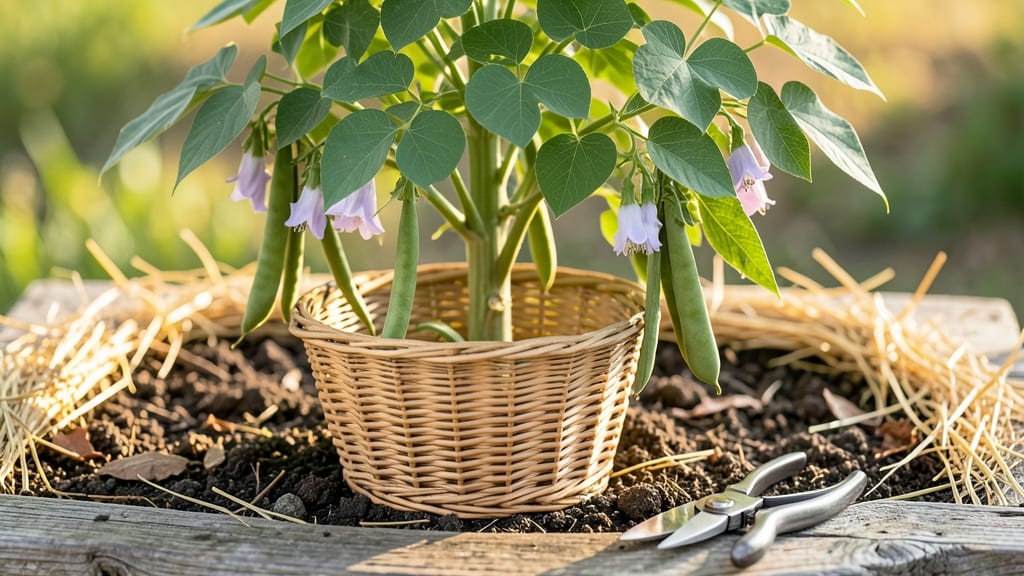
Green beans are ripe when pods reach 4-6 inches and snap crisply with a slight bend—this is the sweet spot for peak flavor and tenderness.
Picking at the perfect moment ensures crisp, flavorful pods—but knowing when they're ripe can be tricky if you're new to gardening. Miss the window, and you'll end up with tough, seedy beans or shriveled disappointments.
Most varieties hit their prime 55-70 days after planting, but the real test is visual: bright green, glossy pods with tiny seeds inside that aren't yet visible through the shell. These cues matter more than days alone, especially in USDA Zone 6a where summer heat can speed things up.
Below, I’ll break down the 5 key visual cues to spot ripe green beans 🌱, plus how to adjust for early or late harvests—so you never miss the perfect picking time again.


5 Visual cues to identify perfectly ripe green beans
Green beans are at their peak when harvested at the right moment—crisp, tender, and bursting with flavor. But how do you know when they're ready? Unlike some vegetables, green beans don’t ripen after picking, so timing is everything.
One day too late, and you’ll end up with woody, seedy pods that taste tough and bland. Let’s break down the five key visual cues to spot perfectly ripe green beans in your garden.
First, focus on pod size—this is your biggest clue. Immature beans are tiny and underdeveloped, while overripe ones stretch too long and become fibrous. The ideal length for most varieties is 4 to 6 inches, depending on the type.
For example, bush beans often stay shorter (3–4 inches), while pole beans can reach 6–8 inches. Check the variety’s guidelines, but always prioritize firmness over length for the best texture.
Next, examine the color of the pods. Ripe green beans should be a vibrant, glossy green—think of the color of a fresh lime or a well-watered leaf. If the pods look pale, yellowish, or dull, they’re underripe.
On the flip side, dark green or purplish hues can signal overripeness, especially in varieties like blue lake beans. A healthy, bright green is your target for maximum crispness and sweetness.
Don’t overlook the texture when testing ripeness. Gently press a pod between your fingers—it should feel firm and slightly crisp, almost like a fresh snap pea. If it’s soft, mushy, or squishy, it’s past its prime.
Conversely, if it feels too hard or waxy, it might still need time to mature. The right texture is the secret to that satisfying crunch in every bite.
Now, take a closer look at the seeds inside. This is a game-changer for determining ripeness! At the perfect moment, the seeds should be small, flat, and barely visible through the pod’s skin.
If you can see distinct, plump seeds or even feel them pressing against the pod, it’s time to harvest before they start developing further. Overripe beans will have large, rounded seeds that make the pods tough and unappetizing.
Finally, pay attention to the stem and snap test. Hold a pod near the stem and give it a gentle bend—it should snap cleanly without resistance. If it bends but doesn’t break, it’s not ripe enough.
If it feels woody or resists bending, it’s overripe. This auditory cue is a pro gardener’s trick to avoid guesswork. Combine it with the other visual clues, and you’ll never miss the window again.
- Pod Size: 4–6 inches (3–4" for bush types). Measure length for consistency.
- Color: Bright, glossy green (avoid pale or yellowish pods).
- Texture: Firm and crisp when pressed (not soft or waxy).
- Seeds: Small and flat (barely visible through pod skin).
- Snap Test: Clean break when bent near the stem (no resistance).
Regional and seasonal factors can slightly alter these cues, but the principles stay the same. In hotter climates, beans may ripen faster, so check them more frequently. In cooler areas, they might take longer to reach peak ripeness.
Always prioritize consistency—if most pods in your garden meet these cues, it’s time to harvest. Remember, regular harvesting keeps plants productive and prevents overripeness.
Once you master these visual cues, you’ll never second-guess when to pick again. The reward? Crisp, sweet, and tender green beans straight from your garden to your plate. Start paying closer attention to these details, and your next harvest will be your best yet. Happy picking!
🌿
Green bean ripeness stages: from immature to overripe
Understanding the green bean ripeness stages transforms your harvest from guesswork to precision. Immature pods taste bland, while overripe ones become tough and woody—neither is ideal. The key lies in recognizing subtle visual cues and acting at the right moment.
Most varieties reach peak flavor when pods are 4-6 inches long and bright green, but timing varies slightly between bush and vining types. Even a day or two past this window can drastically alter texture and taste, so let's break down each stage with actionable tips.
🌱 Visual Progression Guide: Use this comparison to identify exactly where your beans fall in the ripeness spectrum.
At the peak ripeness stage, green beans should snap easily when bent—this is your golden rule. The pods will also have a glossy finish and feel firm to the touch.
If you hear a clean break and see no visible seeds through the pod walls, you've hit the sweet spot.
For bush varieties, this window typically opens around 50-55 days after planting, while vining types may take 60-70 days. Check your seed packet for exact timelines, as some heirloom varieties mature differently. Regular harvesting every 2-3 days encourages continuous production.
When beans reach the overripe stage, they'll develop yellow streaks and thickened walls. These pods are best removed immediately to redirect the plant's energy toward new growth. Overripe beans can also split open, making them vulnerable to pests and disease.
Pro tip: Harvest in the morning when pods are cool and crispest. Use sharp scissors or pruning shears to avoid damaging the plant, and always pick from the bottom upward to encourage upward growth.
With this stage-by-stage approach, you'll enjoy a steady supply of homegrown green beans at their absolute best.