
Vegetables
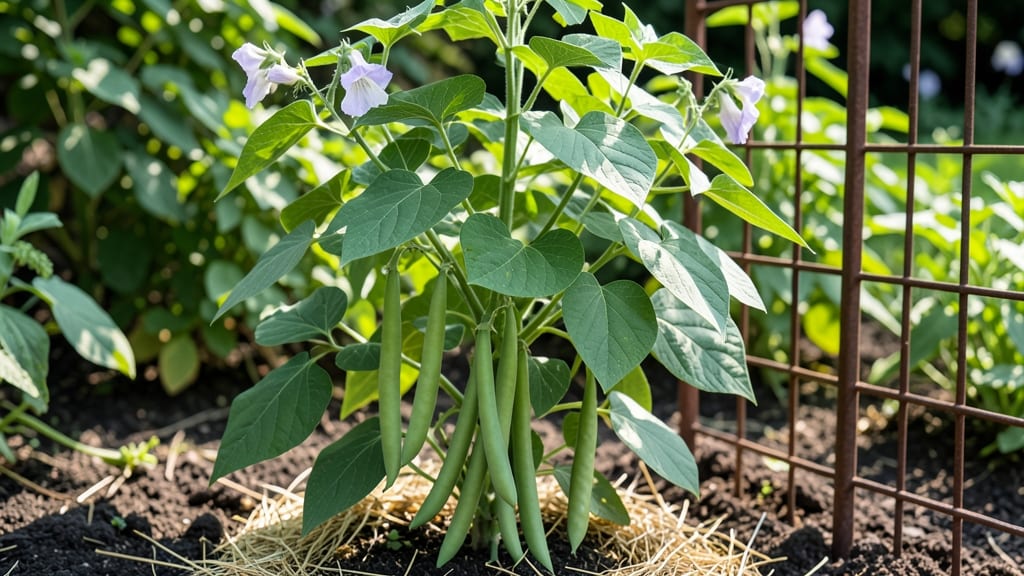
Growing Blue Lake 274 green beans means fast harvests and compact plants that fit even small gardens. 🌱 I've grown this variety for years, and it's my go-to for reliable, sweet-tasting beans that produce heavily without sprawling everywhere.
The secret to success starts with the right soil prep and timing—get it right, and you'll be snipping fresh pods in just 6-8 weeks after planting.
These beans thrive in well-draining soil with plenty of organic matter, and they love full sun (at least 6-8 hours daily). The compact growth habit means you can plant them 12-18 inches apart in rows, saving space while still getting a bountiful yield.
Water consistently—1-2 inches per week—but avoid soggy soil, which leads to rot or pests.
What makes Blue Lake 274 special is how forgiving it is—even if you miss a watering or two, the plants bounce back. The pods stay tender for days after harvest, and the flavor is sweeter than many store-bought varieties.
Plus, they're resistant to common bean diseases, so you spend less time fighting pests and more time enjoying the harvest.
Ready to grow? These beans are perfect for beginners and experienced gardeners alike. With the right setup, you'll have a steady supply of fresh, homegrown beans all season long—no sprawling vines or complicated care required.
📚 In This Guide
- What you need
- Instructions
- Tips and common mistakes
- Wrapping up and next steps
What you need
- ● Blue Lake 274 green bean seeds: 1–2 lbs (enough for a 10x20 ft garden bed or 2–3 rows in a raised bed). Look for heirloom or non-GMO options for the best flavor!
- ● Well-draining potting mix or garden soil: 5–10 gallons (amend with compost for nutrient-rich soil). Aim for a pH of 6.0–7.0.
- ● Fertilizer: Balanced organic fertilizer (e.g., 5-5-5 or 10-10-10), 1–2 tbsp per plant at planting.
- ○ Optional: Composted manure (chicken or cow) for extra nitrogen.
- ● Watering can or hose with a gentle spray nozzle: Green beans need consistent moisture but hate soggy roots!
- ○ Trellis, stakes, or cages (optional but recommended): 4–6 ft tall for vertical growth (saves space and improves airflow).
- ● Garden trowel or transplanting tool: For digging holes (1–2 inches deep, 4–6 inches apart).
- ○ Gloves (optional): Protect your hands from soil and thorns (some varieties have them!).
- ● Sunlight access: 6–8 hours of full sun daily (partial shade in hot climates helps prevent bolting).
- ● Warmth: Soil temperature should be 60–85°F for germination (use a seedling heat mat if starting indoors).
- ○ Mulch (optional): Straw or shredded leaves to retain moisture and suppress weeds.
- ● 💡 Soak seeds overnight in warm water to speed up germination (they’ll sprout in 5–10 days!).
- ● 🌡️ Avoid planting in cold or frost-prone areas—wait until after the last frost date.
- ● 🎯 Harvest regularly to encourage more production (pick beans every 2–3 days when pods are 4–6 inches long).
Step-by-step instructions for growing Blue Lake 274 green beans
Here's how to coax those fast, bushy plants from seed to harvest in record time.
🌱 Step 1: Start Seeds Indoors for Early Germination
Plant seeds 8-10 weeks before your last frost date in biodegradable pots filled with moistened seed-starting mix. Blue Lake 274 germinates fastest at 75-85°F, so place pots on a seedling heat mat or in a warm spot. Push seeds 1 inch deep—any shallower risks uneven sprouting.
Cover pots with clear plastic wrap to retain humidity, then place in indirect light. Check daily for condensation—remove the wrap once 50% of seeds sprout (usually 7-10 days). You'll see tiny white roots emerge first, followed by the seedling's first true leaves.
☀️ Step 2: Harden Off and Transplant for Compact Growth
Move seedlings outdoors 10 days before transplanting, gradually increasing exposure from 1 hour/day to full sun. Blue Lake 274 thrives in full sun (6-8 hours daily), so choose a south-facing spot with rich, well-draining soil. Amend garden beds with 2-3 inches of compost to encourage bushy growth.
Transplant when seedlings have 3-4 true leaves and soil temperature reaches 60°F. Space plants 4-6 inches apart in rows 18-24 inches apart—tighter spacing promotes faster harvests. Water deeply at transplanting to settle roots.
💧 Step 3: Water and Fertilize for Fast, Bushy Plants
Keep soil consistently moist but never soggy—Blue Lake 274 hates waterlogged roots. Water at the base 1 inch per week, increasing to 1.5 inches during flowering. You'll notice leaves perk up immediately after watering; wilting means it's time to hydrate.
Side-dress with balanced 10-10-10 fertilizer when plants reach 6 inches tall, then repeat 3 weeks later. Avoid over-fertilizing—too much nitrogen produces leafy growth at the expense of pods. Watch for white flowers signaling readiness to harvest.
✂️ Step 4: Harvest and Maintain for Continuous Production
Pick beans when pods are 4-6 inches long and tender—harvesting prompts more production. Use sharp scissors to cut stems ½ inch above the plant to avoid damaging foliage. You'll notice new flowers forming within 3-5 days of harvest.
Support plants with 4-foot stakes or trellises if they exceed 2 feet tall, though bush varieties stay compact. Remove yellow leaves immediately to redirect energy to pod production. With proper care, you'll enjoy 4-6 weeks of continuous harvests.
🌿 Step 5: Extend Season with Succession Planting
For a prolonged harvest, sow new seeds every 2 weeks until 6 weeks before your first frost. Blue Lake 274 matures in 50-60 days, so staggered plantings ensure a steady supply. Mark planting dates on your calendar—this variety thrives in cool weather but bolts in heat.
Mulch beds with 2 inches of straw to retain moisture and suppress weeds. As temperatures drop below 50°F, cover plants with row fabric at night to protect tender pods. With these techniques, you'll maximize yield from a single planting season.
Tips & tricks for growing Blue Lake 274 green beans
These insider tricks will help you skip the common pitfalls and grow bushy, productive plants that outperform the average garden harvest.
Seedling Heat Secret: The 75-85°F germination window is non-negotiable for Blue Lake 274—any cooler and you'll face uneven sprouting. I place my seed trays on a seedling heat mat set to 80°F and keep them there until 50% of seeds sprout. Pro tip: Use a small digital thermometer to monitor soil temperature daily. If your kitchen runs cool, consider a heated propagator or even a sunny windowsill with a clear plastic dome to trap warmth.
Transplant Timing Strategy: The 10-day hardening off period might seem long, but trust me—it's worth it. Start with just 15 minutes of morning sun on day one, then add 15 minutes each subsequent day. Watch for seedlings that perk up immediately after sun exposure; these are ready for the full day. I've seen plants shocked by sudden full sun develop yellow leaves within hours, so gradual acclimation prevents transplant shock and ensures robust growth.
Watering Precision: That 1 inch per week measurement is a baseline, but Blue Lake 274 actually prefers slightly more during flowering. I increase to 1.25 inches during peak bloom by checking soil moisture with my finger—if the top inch feels dry, it's time to water. The key is consistency: water deeply at the base in the morning so leaves have time to dry, preventing fungal issues. A drip irrigation system set on a timer handles this perfectly if you're away during the day.
Fertilizer Timing: The 6-inch height trigger for first fertilization is critical—applying too early sends energy to leaves instead of pods. I use a slow-release 10-10-10 fertilizer mixed into the soil at planting, then top-dress with the same ratio when plants reach 6 inches. The second application 3 weeks later gives you that bushy, productive growth without excessive leaf production. Think of it as a two-stage growth boost: first for roots, second for pods.
Pro Tips for Blue Lake 274 Green Beans
- These insider tricks will help you skip the common pitfalls and grow bushy, productive plants that outperform the ave...
- Seedling Heat Secret: The 75-85°F germination window is non-negotiable for Blue Lake 274—any cooler and you'll face u...
- Transplant Timing Strategy: The 10-day hardening off period might seem long, but trust me—it's worth it. Start with j...
Frequently asked questions
Got questions about growing Blue Lake 274 green beans? You’re not alone! Here are some of the most common queries—plus quick answers to help you grow like a pro.
What’s the best time to plant Blue Lake 274 beans?
Plant Blue Lake 274 after the last frost when soil temps hit at least 60°F (15°C). For cooler climates, start seeds indoors 2–3 weeks before transplanting. These beans hate cold soil—waiting ensures fast germination and strong vines.
How long does it take for Blue Lake 274 beans to germinate?
Expect sprouts in 7–14 days (usually 10 days) if soil stays warm and moist. Keep seeds 1 inch deep and water gently to avoid washing them out. Pro tip: Use a seedling heat mat if your soil struggles to warm up!
Can I grow Blue Lake 274 in containers or small spaces?
These beans thrive in 5-gallon pots or raised beds (even balconies work). Just ensure 5–6 inches of depth and support them with a trellis or cage. Compact growth makes them perfect for urban gardens!
What pests should I watch for with Blue Lake 274?
Common culprits: bean beetles, aphids, and slugs. Use row covers early on, handpick pests, or spray with neem oil. Prevention tip: Plant near marigolds or basil to deter bugs naturally.
How do I know when Blue Lake 274 beans are ready to harvest?
Pick beans when pods are 5–6 inches long, crisp, and bright green (usually 50–60 days after planting). Wait too long, and they’ll turn woody or develop seeds. Harvest tip: Pick every 2–3 days for a steady supply!
What can I do if my Blue Lake 274 plants wilt suddenly?
Sudden wilting often signals underwatering, root rot, or heat stress. Check soil moisture (keep it consistently damp, not soggy) and mulch to retain moisture. If roots look mushy, trim affected areas and repot. Shade cloth can help in extreme heat.
Wrapping up and next steps
Growing Blue Lake 274 green beans is a rewarding journey—whether you're a seasoned gardener or just starting out! 🌱 Their fast germination and compact growth make them perfect for small spaces, balconies, or even containers.
With the right soil, sunlight, and care, you’ll soon be harvesting crisp, flavorful pods that’ll make your meals shine.
Ready to take the next step? Start by planting your seeds this season and watch your garden thrive! Share your progress with fellow gardeners or experiment with companion plants to boost your harvest even more. Happy growing! 🌿