
Container Gardens
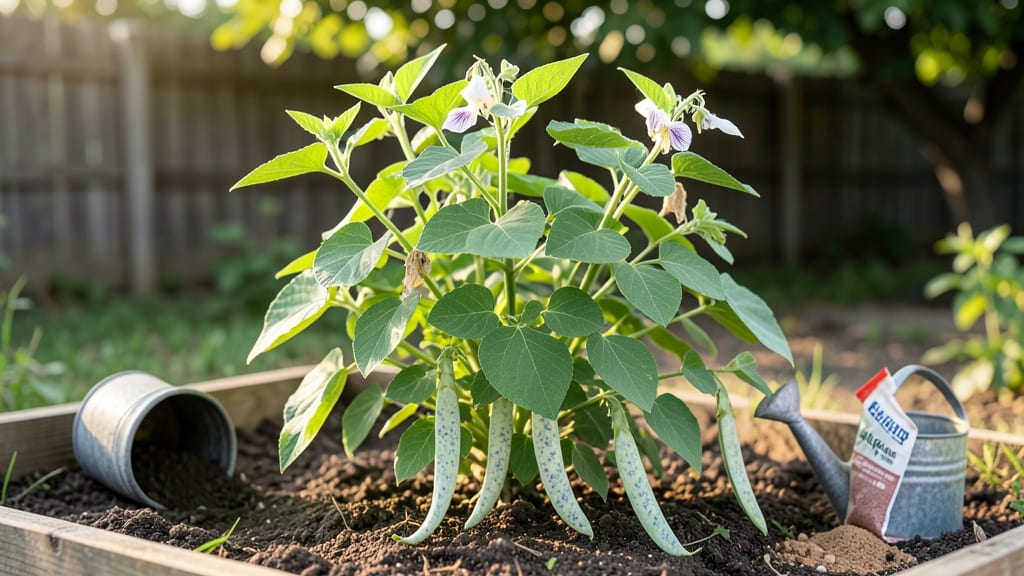
Blue Lake green beans grow so fast you’ll see sprouts within 5-7 days—that’s the magic of this variety. 🌱 I’ve grown them in containers, raised beds, and even small garden plots, and they deliver heavy harvests with minimal fuss.
The secret lies in warm soil, consistent moisture, and a little patience as those first tendrils emerge.
You’ll need well-draining soil mixed with compost, stakes or a trellis for climbing varieties, and a sunny spot with 6-8 hours of light daily. Most beginners overwater or plant too deep—just press seeds 1 inch under soil and keep them moist (not soggy) until germination.
Once they sprout, water at the base to avoid fungal issues.
By mid-summer, you’ll be picking 6-inch pods every 2-3 days—long after store-bought beans have wilted. The key? Harvest regularly to encourage more production. I’ve had plants keep yielding for 8+ weeks straight when given proper care and spacing.
Common mistakes include crowding plants (keep them 4-6 inches apart) or letting soil dry out. If germination stalls, try warming the soil with black plastic or a cold frame. With these tips, you’ll go from seed to harvest faster than you think!
📚 In This Guide
- What you need
- Instructions
- Tips and common mistakes
- Wrapping up and next steps
What you need
- ● Blue Lake green bean seeds – 1–2 lbs (enough for 10–20 plants per pound, depending on spacing). Choose heirloom or organic seeds for best results.
- ● Well-draining potting mix or garden soil – 5–10 gallons per container (or enriched with compost for in-ground planting). Aim for fertile, loamy soil with a pH of 6.0–7.0.
- ● Containers or garden space – If container gardening: 5–10 gallon pots (minimum 12" deep)
- ○ Fabric grow bags (optional but great for drainage)
- ● Watering can or hose with a gentle spray nozzle – Beans need consistent moisture but hate soggy roots!
- ○ Organic fertilizer (optional but recommended) – A balanced 10-10-10 or compost tea to boost growth. Avoid high-nitrogen fertilizers.
- ● Trellis or stakes (4–6 ft tall) – Supports climbing varieties and saves space! 🌿
- ● Mulch (straw or shredded leaves) – Retains moisture and suppresses weeds.
- ● Row covers or netting – Protects from pests like Mexican bean beetles.
- ● pH test kit – Ensures your soil is in the ideal range for bean growth.
- ● Seed-starting kit (if sowing indoors) – Includes trays, heat mat, and grow lights for early starts.
Step-by-step instructions for growing Blue Lake green beans
Here's how to cultivate this fast-germinating favorite with minimal fuss and maximum yield.
🌱 Step 1: Prepare the Soil and Planting Site
Blue Lake beans thrive in well-draining, nutrient-rich soil with a pH between 6.0 and 7.0. Work in 2-3 inches of compost or aged manure into the top 12 inches of soil before planting. These beans are sensitive to cold, so wait until the soil temperature reaches at least 60°F—a soil thermometer helps here, but I usually test by pressing my hand into the ground; if it feels warm to the touch, it's ready.
Choose a location with full sun (6-8 hours daily) and good air circulation. Avoid planting where beans or other legumes grew the previous year to prevent soil-borne diseases. If your soil is heavy clay, mix in sand or perlite to improve drainage—Blue Lake beans hate soggy roots. I like to rake the planting area smooth after amending, creating a fine, crumbly texture perfect for seed placement.
🌱 Step 2: Plant Seeds at the Right Depth and Spacing
Sow seeds 1 inch deep and 3-4 inches apart in rows spaced 18-24 inches apart. Blue Lake beans germinate quickly in warm soil (5-10 days), so plant seeds ½ inch deep if your soil is cooler than ideal. For a head start, soak seeds overnight in lukewarm water—this softens the seed coat and speeds germination.
I plant in late spring after the last frost, typically around mid-May in my zone. For longer harvests, make successive plantings every 2 weeks until mid-summer. Press seeds gently into the soil with your thumb—don't bury them too deeply, or they'll struggle to reach the surface. Water lightly after planting to settle the soil but avoid washing seeds away.
☀️ Step 3: Provide Consistent Water and Support
Keep the soil evenly moist but not waterlogged—Blue Lake beans need 1-1.5 inches of water per week. Water at the base of plants in the morning to reduce fungal risks. You'll know moisture is right when the top 2 inches of soil feel damp but not saturated. Mulch with straw or grass clippings to retain moisture and suppress weeds—this saves time and keeps soil temperatures stable.
As plants reach 6-8 inches tall, install trellises or stakes (4-5 feet tall) to support vines. Blue Lake beans grow 4-6 feet tall when fully mature, and proper support prevents sprawling and improves air circulation. I tie vines loosely with soft plant ties every 10-12 inches—too-tight ties can damage stems as they thicken.
✂️ Step 4: Harvest at Peak Freshness
Harvest begins 50-60 days after planting when pods are 4-6 inches long and snap easily when bent. Check plants every 2-3 days—Blue Lake beans lose flavor and texture quickly once mature. Pick in the morning after dew has dried for the best flavor. Use clean pruners or fingers to snap pods at the stem; avoid tearing leaves or vines.
For continuous harvests, pick every other day during peak production. If you miss a harvest window, pods will thicken and turn woody—this is the plant's way of saving energy for seed production. I like to store fresh-picked beans in the fridge for 5-7 days or blanch and freeze them for later. Stop harvesting when pods turn yellow or brown, as this signals the end of the plant's productive life.
🌿 Step 5: Maintain Through the Season
Fertilize lightly 3 weeks after planting with a balanced 10-10-10 fertilizer (½ cup per 10 feet of row). Blue Lake beans fix nitrogen in the soil, so avoid heavy nitrogen applications—too much leads to leafy growth at the expense of pods. Watch for bean beetles or Japanese beetles, which chew holes in leaves and pods. Handpick pests early or use row covers for organic protection.
If plants show signs of mosaic virus (yellow mottling on leaves), remove infected plants immediately and rotate crops next season. Prune any yellow or diseased leaves with sterilized scissors to prevent spread. By mid-summer, you'll have a lush, productive plant—just keep harvesting, and the beans will keep coming until frost.
Tips & tricks for growing Blue Lake green beans
Here's what I've learned from years of growing these prolific beans—tricks that'll help you avoid common pitfalls and maximize your harvest.
Soil Temperature Test: That 60°F soil temperature threshold is non-negotiable for Blue Lake beans. I've tried planting too early when soil was only 55°F, and germination took twice as long. Use a soil thermometer for accuracy, especially in spring when mornings can be deceptive. If you're unsure, press your hand into the ground—if it feels warm to the touch (like a lukewarm bath), you're good to go. Cold soil slows germination from 5-10 days to 2-3 weeks, and that's time you don't want to waste.
Seed Soaking Strategy: The overnight lukewarm water soak isn't just a suggestion—it's a game-changer for consistent germination. I've seen seeds that took 14 days to sprout when planted dry, compared to 5 days when soaked. Here's my pro move: use a clean glass jar with a lid (not airtight) to soak seeds overnight. This prevents bacterial growth while softening the seed coat. Drain well before planting, and you'll notice sprouts appear within 24-48 hours in warm soil.
Watering Wisdom: Those 1-1.5 inches of water per week are crucial, but timing matters just as much. I've learned the hard way that evening watering leads to fungal issues—Blue Lake beans thrive when watered in the morning. The key is to water deeply at the base of plants, not overhead. This encourages roots to grow downward while keeping leaves dry. I use a rain gauge to track weekly totals, and it's amazing how much difference precise watering makes in preventing blossom-end rot or powdery mildew.
Harvest Cues: The 50-60 day harvest window is your golden opportunity, but don't rely solely on days—watch for these visual cues. Pods should be 4-6 inches long, bright green, and snap easily when bent (like a green bean should!). If you hear a dull thud instead of a snap, you've missed the window. I harvest every morning during peak season, which means I can count on fresh pods for my recipes all summer long. The flavor difference between morning-harvested beans and those left on the vine too long is night and day.
Pro Tips for Blue Lake Green Beans Growing
- Here's what I've learned from years of growing these prolific beans—tricks that'll help you avoid common pitfalls and...
- Soil Temperature Test: That 60°F soil temperature threshold is non-negotiable for Blue Lake beans. I've tried plantin...
- Seed Soaking Strategy: The overnight lukewarm water soak isn't just a suggestion—it's a game-changer for consistent g...
Frequently asked questions
Got questions about growing Blue Lake green beans? You’re not alone! Here are answers to the most common queries from gardeners just like you—whether you're a beginner or a seasoned pro looking for tips to maximize your harvest.
How long does it take for Blue Lake green beans to germinate and mature?
Blue Lake beans typically germinate in 7–14 days (sooner in warm, moist soil!). From planting to harvest, expect 50–60 days for bush varieties or 60–70 days for pole types. Start seeds indoors 2–3 weeks before the last frost for an early jumpstart—or direct-sow after soil reaches 60°F (15°C) for faster growth. Pro tip: Use a seedling heat mat if your climate is chilly!
Do Blue Lake green beans need trellises, or can I grow them as bush beans?
You’ve got options! Blue Lake beans come in both bush and pole varieties. Bush beans (like ‘Blue Lake 274’) grow compact (2–3 ft tall) and don’t need support, while pole beans (like ‘Kentucky Wonder’) climb 6–10 ft and thrive on trellises (saving space and reducing disease risk). For containers, bush types are ideal—just ensure pots are at least 12 inches deep.
Why aren’t my Blue Lake beans producing pods? Troubleshooting tips!
If your plants are flowering but no pods appear, check these fixes:
- Heat stress: Blue Lakes need warm soil (70°F+). If temps dip below 50°F (10°C), growth slows. Use row covers or mulch.
- Pollination issues: Beans are self-pollinating, but gentle shaking of plants can help. Avoid over-fertilizing with nitrogen (too much = leafy growth, fewer pods).
- Watering woes: Inconsistent moisture causes blossom drop. Keep soil evenly moist (1–1.5 inches of water/week).
- Pests/disease: Check for Mexican bean beetles or powdery mildew. Neem oil or companion planting (marigolds) can help.
Can I grow Blue Lake green beans in containers, and what’s the best setup?
Blue Lake bush beans are perfect for containers. Use:
- A 5-gallon pot or larger (depth >12 inches) for 2–3 plants.
- Well-draining potting mix with compost (avoid garden soil—it compacts).
- Full sun (6+ hours/day) and dwarf or bush varieties (e.g., ‘Blue Lake 274’).
What’s the best way to harvest Blue Lake green beans for maximum yield?
Harvest when pods are 4–6 inches long and crisp (pick every 2–3 days to encourage more production!). Use scissors or pruners to avoid damaging vines. For bush beans, harvest from the bottom up; for pole beans, work your way upward. Stop harvesting 2–3 weeks before frost—pods will toughen, but save seeds for next year!
Still stumped? Drop your question in the comments—we’re happy to help you grow a bountiful, pod-packed harvest!
Wrapping up and next steps
Growing Blue Lake green beans is a rewarding journey that brings fresh, crisp produce right to your doorstep—whether in containers, raised beds, or traditional gardens.
With their fast germination and high yield, these beans are perfect for beginners and seasoned gardeners alike. Don’t wait for spring! Start your seeds indoors now or prep your growing space for a summer harvest that’ll leave you proudly snacking on homegrown goodness. 🌱
Ready to dive in? Grab your supplies, follow the steps, and soon you’ll be enjoying the sweet taste of success—literally! Happy planting! 🌿