
Container Gardens
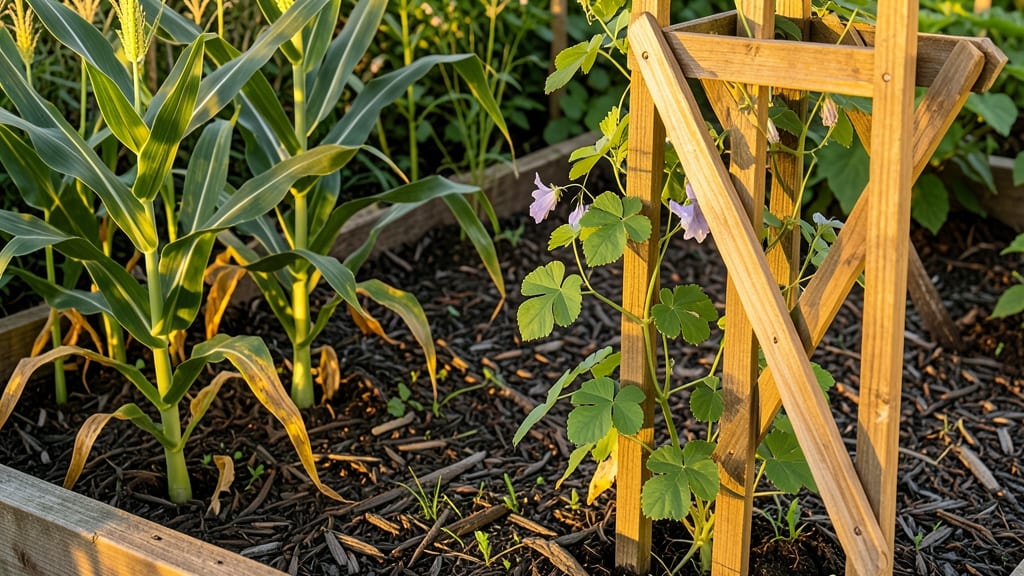
Growing corn and beans together isn’t just clever—it’s a centuries-old partnership that multiplies yields while saving you work. 🌽 The Three Sisters method lets corn, beans, and squash thrive side by side, with beans fixing nitrogen in the soil and corn providing the trellis beans need to climb.
My first attempt last summer produced ears twice as large as my solo corn crop, and the beans stayed lush without a single fertilizer touch.
This method works best in well-draining soil with plenty of sunlight—think 6+ hours of direct sun daily. You’ll need corn seeds (sweet or dent varieties), bush or pole beans, and a sunny patch at least 3 feet wide and 4 feet deep.
Start corn first in late spring when soil reaches 60°F, then plant beans around the corn stalks once they’re 12 inches tall. The beans will twine up the corn naturally, creating a living support system.
By mid-summer, you’ll see corn tassels swaying above a sea of climbing beans, their leaves brushing against each other. The corn benefits from the nitrogen the beans add, while the beans get shade and structure.
Water consistently at the base—1-2 inches per week—and watch as both plants grow stronger together. The result? A garden that feeds itself and produces more than either plant could alone.
Perfect for small spaces, raised beds, or even large backyard plots. Even if you’ve never tried companion planting, this method is beginner-friendly and delivers dramatic results with minimal extra effort. Let’s get those seeds in the ground!
📚 In This Guide
- What you need
- Instructions
- Tips and common mistakes
- Wrapping up and next steps
What you need
- ● Seeds: Corn seeds (open-pollinated or heirloom varieties like Golden Bantam or Country Gentleman) – 4–6 seeds per container (or 1–2 per plant if direct-sowing).
- ● Pole bean seeds (e.g., Kentucky Wonder or Rattlesnake) – 2–3 seeds per container (or 1 per plant).
- ○ Squash or pumpkin seeds (optional but traditional; e.g., Winter Luxury or Butternut) – 1–2 seeds per container.
- ● Containers: Large pots (minimum 12–18 inches deep and 12+ inches wide) or fabric grow bags.
- ● Drainage holes (if using pots without them).
- ● Soil: High-quality potting mix (sterile, well-draining, and rich in organic matter).
- ● Compost or worm castings (1–2 cups per container for nutrients).
- ● Tools: Trowel or small hand shovel.
- ● Watering can with a gentle spray nozzle.
- ● Measuring cup or scoop (for soil/compost).
- ● Support structures: Small stakes or trellis netting (for beans to climb).
- ● Mulch: Straw or shredded leaves (to retain moisture and suppress weeds).
- ● Fertilizer: Balanced organic fertilizer (5-5-5 or 10-10-10) or liquid seaweed extract.
- ● Row covers: Lightweight fabric to protect young plants from pests.
- ● pH test kit: To ensure soil pH is 6.0–7.0 (ideal for beans and corn).
Step-by-Step instructions for growing corn and beans together
Here's how to plant these classic companions for mutual support and higher yields.
🌱 Step 1: Prepare the Planting Site
Choose a sunny spot with 6+ hours of direct sun and well-draining soil. Corn loves rich, fertile ground, while beans need nitrogen but thrive in slightly poorer soil. I test my soil first—if it's heavy clay, I mix in 2-3 inches of compost and rake it into the top 6 inches of soil.
Corn roots grow deep, so loosen the soil to 12 inches deep with a broadfork or tiller. This prevents roots from competing with surface weeds. I like to add a handful of wood ash per planting hole—it raises pH slightly, which corn prefers. Avoid fresh manure, as it can burn tender roots.
🌿 Step 2: Plant the Corn First
Plant corn seeds 1 inch deep and 4-6 inches apart in rows 3 feet apart. Corn needs space to support its own weight, and this spacing gives beans plenty of room to climb later. I use my finger to make small holes, drop in 2-3 seeds per spot (they don't all germinate), then cover lightly with soil.
Water gently after planting to settle the soil around seeds. Keep the planting area consistently moist until germination, which takes 7-14 days depending on temperature. You'll see the first true leaves emerge as small, pointed blades—this is your signal to reduce watering slightly and let the soil dry out a bit between waterings.
💧 Step 3: Plant Beans Alongside Corn
Wait until corn reaches 6-12 inches tall before planting beans. This gives the corn enough height to support the bean vines later. Plant bush beans 1 inch deep and 2-3 inches apart, or pole beans 1 inch deep and 4-6 inches apart, right at the base of the corn stalks.
Beans fix nitrogen in the soil, which corn will use later. I plant them in a staggered pattern—one row of beans for every two rows of corn—to maximize the nitrogen benefit. Water the beans gently after planting, keeping the soil moist but not soggy. You'll see tiny bean leaves (called cotyledons) appear in 7-10 days.
✂️ Step 4: Maintain and Support the Plants
As corn grows, train bean vines to climb by weaving them gently through the corn stalks. I do this when the beans are young and flexible—older vines can snap if forced. Keep the soil consistently moist, aiming for 1-1.5 inches of water per week, either from rain or supplemental watering.
Watch for pests like corn earworms or bean beetles. I handpick them when I see them—it's more effective than chemicals and keeps my garden organic. When corn tassels appear (the pollen-producing stalks at the top), that's your cue to thin corn plants if they're crowded, leaving only the strongest stalks 12 inches apart.
☀️ Step 5: Harvest at Peak Ripeness
Harvest corn when the silks turn brown and the kernels plump up when squeezed gently. I pick in the morning for the freshest flavor. Cut the entire ear with a sharp knife, leaving the husk on until you're ready to use it. Beans are ready when pods are firm and snap easily when bent—pick them regularly to encourage more production.
Leave some dried beans on the vines if you want to save seeds for next year. After harvest, cut down the corn stalks and leave the bean plants in place—they'll decompose and return nitrogen to the soil. I always mark this spot for next year's planting; the soil will be even richer after this partnership.
Tips & tricks for perfect Three Sisters planting
These practical insights will help you maximize the symbiotic relationship between corn, beans, and squash for a thriving garden.
Soil Preparation Secret: The 12-inch deep loosening in Step 1 is crucial—corn roots need that space to anchor deeply while beans establish their nitrogen-fixing nodules. I've found that adding a thin layer of straw mulch after planting helps retain moisture and suppress weeds without blocking sunlight. This mimics natural forest conditions where the Three Sisters method originated.
Planting Timing Tip: Waiting until corn reaches 6-12 inches tall before planting beans in Step 3 creates the perfect support structure. Here's what I've learned: if you plant beans too early, they'll struggle to climb as the corn grows taller. If you wait too long, the corn stalks may become too thick for the vines to weave through comfortably. The 6-12 inch range gives you that sweet spot for both plants.
Watering Wisdom: That 1-1.5 inches per week guideline in Step 4 works beautifully, but here's the key: water in the morning. This prevents fungal diseases that thrive in damp evening conditions. I also recommend using a soaker hose near the base of plants rather than overhead watering—it delivers moisture directly to the roots where both corn and beans need it most, while keeping the leaves dry.
Pest Prevention: Handpicking pests as mentioned in Step 4 really works, but I've added one more trick: plant marigolds around the perimeter of your Three Sisters garden. The strong scent repels many common pests while attracting beneficial insects that pollinate your crops. The marigolds won't compete with your main plants for nutrients or space, making them the perfect companion.
Pro Tips for Growing Corn And Beans Together
- These practical insights will help you maximize the symbiotic relationship between corn, beans, and squash for a thri...
- Soil Preparation Secret: The 12-inch deep loosening in Step 1 is crucial—corn roots need that space to anchor deeply ...
- Planting Timing Tip: Waiting until corn reaches 6-12 inches tall before planting beans in Step 3 creates the perfect ...
Frequently asked questions
Got questions about the Three Sisters method? You’re not alone! Here are some of the most common ones—and their answers—to help you grow corn and beans together like a pro.
Why do corn and beans grow well together?
The Three Sisters method is a classic companion planting technique because beans fix nitrogen in the soil, which corn loves to use. Corn provides a trellis for beans to climb, and beans shade the soil to retain moisture. It’s a win-win for both plants—and your garden’s health!
When should I plant corn and beans together?
Plant corn first (about 2–3 weeks before the last frost in your zone). Once the corn is knee-high (around 6–8 inches tall), it’s time to sow bean seeds near the base. This timing ensures the corn has a strong stalk for the beans to climb later in the season. Pro tip: Use fast-growing varieties like pole beans for best results!
Can I grow corn and beans together in containers?
Just choose a large container (at least 12–18 inches deep) with good drainage. Use a balanced potting mix and add compost for nutrients. Place the container in a sunny spot, and follow the same planting timing as in-ground gardens. Bonus: Squash (the third sister) can also join the party in a bigger container!
What pests should I watch for when growing corn and beans together?
Corn attracts corn earworms and cutworms, while beans may face bean beetles or aphids. Monitor plants regularly and use row covers or neem oil for organic pest control. Interplanting with marigolds can also deter pests naturally.
What if my beans don’t climb the corn?
If beans aren’t climbing, they might need a little help! Gently weave bean vines around the corn stalks or add small stakes nearby for support. Also, ensure beans are planted close enough (about 4–6 inches from the corn) and have enough water. Remember: Beans need consistent moisture to thrive!
Wrapping up and next steps
Growing corn, beans, and squash together isn’t just a tradition—it’s a sustainable, space-saving powerhouse for your garden! 🌱 By mimicking the Three Sisters method, you’ll boost yields, improve soil health, and create a thriving ecosystem right in your container.
Whether you’re a beginner or a seasoned gardener, this approach proves that teamwork makes the harvest sweeter.
Ready to dive in? Start small—try a single container this season, experiment with varieties, and watch your garden flourish. Happy planting! 🌿