
Vegetables
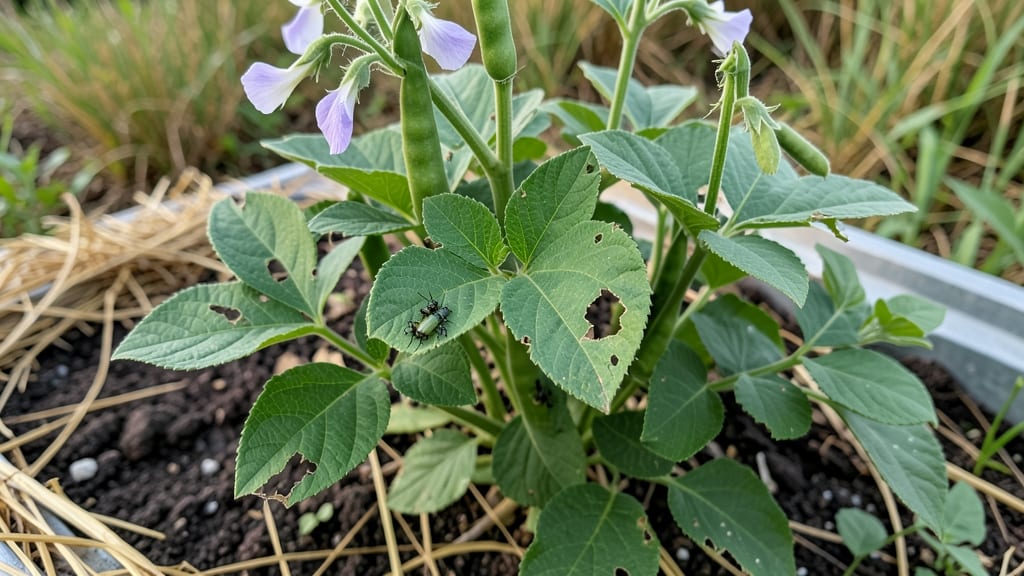
When you spot irregular damage on green bean leaves, the first step is to distinguish between pests and diseases. 🔥 Chewing insects like Japanese beetles leave behind ragged edges and skeletonized leaves, while sucking pests such as aphids create tiny holes and leave behind sticky honeydew.
Diseases, on the other hand, often appear as brown or yellow spots that spread across entire leaves, sometimes accompanied by mold or wilting stems.
I always recommend examining the undersides of leaves first—this is where many pests hide their eggs or larvae, giving you an early warning before the damage becomes severe.
For accurate identification, I suggest collecting a few damaged leaves in a sealed plastic bag and bringing them to your local cooperative extension office. They can help you determine whether you're dealing with a pest infestation or a fungal/bacterial issue, which will guide your treatment approach.
Remember, some diseases thrive in damp conditions, while pests often worsen during dry spells—understanding these patterns can help you prevent future damage.
💡 In This Article
- Common Green Bean Leaf Pests and Their Damage Patterns
- Diagnosing Green Bean Leaf Diseases vs Pest Damage
Common green bean leaf pests and their damage patterns
Japanese beetles are among the most destructive pests for green beans, recognizable by their iridescent green heads and coppery wings. These insects feed in groups, creating large, irregular holes along leaf edges while leaving the veins intact—this pattern is called "skeletonization."
A single beetle can devour up to 30 square inches of leaf surface per day, and their feeding weakens plants enough to stunt growth or reduce pod production by 30-50%. Look for their white, grubs-like larvae in soil during spring, which are just as damaging to roots.
Sucking pests like aphids and spider mites cause different damage by piercing leaf cells to extract sap, leaving behind tiny, pinhole-sized holes and a sticky residue called honeydew.
Aphids cluster on new growth and undersides, often surrounded by black sooty mold from their waste, while spider mites create fine webbing between leaves. Both pests thrive in hot, dry conditions—when humidity drops below 40%, mite populations can explode within 7-10 days. The real giveaway?
Aphids leave curled or distorted leaves, while mites create brown stippling that spreads across entire leaf surfaces.
Slugs and snails leave behind smooth, glossy trails and ragged, uneven holes with no visible chewing marks, often targeting young leaves and tender stems. These pests are most active at night or after rain, when humidity exceeds 80%, and can consume entire leaves overnight.
A simple test: place a beer-soaked cardboard trap near plants—slugs will gather within 24 hours. The key difference from beetle damage is the absence of skeletonized veins and the presence of silver slime trails along stems and soil surfaces.
Beetle larvae and cutworms hide during the day but emerge at night to feed, creating deep, jagged notches along leaf margins. Cutworms, in particular, can sever stems at soil level, causing plants to collapse. Their presence is often signaled by brown frass (fecal pellets) scattered on leaves and soil.
Unlike diseases, these pests leave behind live insects or eggs—check leaf undersides with a magnifying glass for yellow eggs laid in clusters (beetles) or translucent, oval eggs (cutworms).
Here's what to watch for when comparing damage:
- Beetles: Large holes, skeletonized veins, iridescent adults
- Aphids/Mites: Tiny holes, honeydew, webbing, curled leaves
- Slugs/Snails: Glossy trails, ragged edges, nighttime activity
- Cutworms: Jagged notches, frass, stem collapse at soil level
Most pests have life cycles tied to temperature—Japanese beetles emerge when soil reaches 60°F, while aphids peak in 75-85°F weather. This timing explains why damage often appears in late spring or early summer, just as beans are flowering.
Understanding these patterns helps you time interventions, like releasing beneficial nematodes for grubs or applying insecticidal soap for aphids during their most vulnerable stages.