
Vegetables
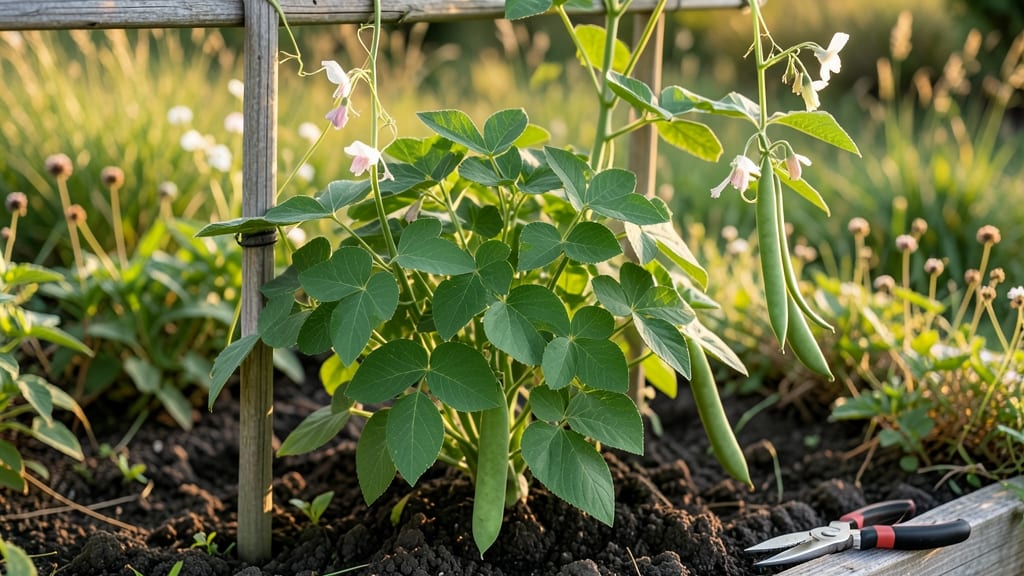
Learn how are green beans grown vertically—because my balcony’s pole bean jungle now outproduces my dad’s sprawling garden, all thanks to clever trellises, cages, and even repurposed ladders. 🌱 ladders. The secret isn’t fancy equipment; it’s choosing the right varieties and giving them space to shine upward instead of outward.
Start with bush beans for compact harvests or pole beans for towering yields—both thrive in full sun and well-draining soil. Plant seeds 1 inch deep, 4–6 inches apart, and water gently to avoid disturbing them.
For vertical growth, install trellises or stakes at planting time so vines can latch on early. Within 3–4 weeks, you’ll see those first tendrils reaching upward, ready to climb.
By midsummer, you’ll be snapping pounds of fresh beans weekly, all while saving garden space. The key is consistent watering—1 inch per week—and occasional fertilizer to keep vines vigorous. Yellowing leaves?
Check for overwatering or nutrient deficiencies. Too many beans? Harvest often to encourage more production. This method works in containers, raised beds, or small plots, making it perfect for urban gardeners.
Once you master vertical growing, try succession planting every 2 weeks for a never-ending harvest. The best part? No more bending over—just reach up and pick straight from the trellis. Ready to transform your space into a bean bonanza? Let’s get those seeds in the ground!
📚 In This Guide
- What you need
- Instructions
- Tips and common mistakes
- Wrapping up and next steps
What you need
- ● Green Bean Seeds: Choose bush or pole varieties (e.g., 'Contender,' 'Blue Lake,' or 'Kentucky Wonder'). Start with 10–20 seeds per person for a small harvest.
- ● Soil: Well-draining, nutrient-rich soil with a pH of 6.0–7.0. Mix in 2–3 inches of compost per square foot.
- ● Watering System: Drip irrigation or a watering can (1–2 gallons capacity).
- ● Mulch (straw or grass clippings) to retain moisture.
- ● Support Structures: Trellises, cages, or stakes (6–8 feet tall for pole beans; 1–2 feet for bush varieties).
- ● Twine or garden twine (for tying vines to supports).
- ● Fertilizer: Balanced 10-10-10 or 5-10-10 (apply at planting and when flowers appear).
- ● Row Cover: Lightweight fabric to protect seedlings from pests or frost.
- ● Soil Test Kit: Ensures your soil meets green bean nutrient needs.
- ● Pruning Shears: For trimming overgrown vines or dead leaves.
- ● Harvest Basket: A shallow, breathable container to keep beans fresh post-pick.
Step-by-step instructions for growing green beans vertically
Here's how I transform small spaces into productive green bean towers—no sprawling vines, just upward growth.
🌱 Step 1: Prepare the Soil and Plant Seeds
Green beans thrive in well-draining soil with a pH between 6.0 and 7.0. Work 2-3 inches of compost into the top 6 inches of soil to provide nutrients without compacting the root zone. I like to mix in a handful of aged manure or worm castings for extra nitrogen, which beans crave but can't access directly from the air.
Plant seeds 1 inch deep and 3-4 inches apart in rows 18-24 inches apart. If you're using a trellis or tower, space seeds 4-6 inches apart along the base. Water gently after planting to settle the soil—don't use a hose on full blast, or you'll wash seeds out of their holes. I tap the soil lightly with my fingers to ensure good seed-to-soil contact.
🪴 Step 2: Install Vertical Support Structures
Beans need sturdy support to climb, so I use 5-foot tall bamboo stakes, wire trellises, or A-frame cages—whatever fits your space. Drive stakes 6 inches deep into the soil at 3-foot intervals for stability. For towers, secure a heavy-duty mesh or netting to the frame, leaving 12-inch gaps between vertical supports so pods don't get trapped.
Train the first vines to climb by gently weaving them through the trellis or tying them to the stakes with soft plant ties (never wire—it cuts stems). I start this when vines reach 6 inches tall, which usually happens 2-3 weeks after planting. The key is patience—don't force the vines upward or you'll snap tender stems.
☀️ Step 3: Provide Consistent Water and Sun
Green beans need 1-1.5 inches of water per week, delivered at the soil level to avoid wetting leaves (which invites disease). I water deeply twice weekly rather than daily shallow sessions—this encourages deep root growth. Let the top 1-2 inches of soil dry out between waterings, but never let the plants wilt. You'll know moisture is right when the soil feels like a damp sponge.
Place your vertical garden in full sun (6-8 hours daily). Beans produce best when temperatures stay between 70-85°F. If your summers run hotter, provide afternoon shade during heatwaves—wilting beans recover poorly from stress. I watch for yellowing leaves as a sign of too much heat or water.
✂️ Step 4: Harvest and Prune for Continuous Production
Start harvesting when pods reach 4-6 inches long—this is the prime window for tender, flavorful beans. I pick every 2-3 days to encourage more production. Use clean scissors or fingers to snap pods cleanly at the stem; never pull the entire vine, or you'll damage the plant. The more you harvest, the more your plants will produce.
Prune leggy or overgrown vines by pinching back the tips when they reach the top of the trellis. This redirects energy to pod production instead of unnecessary growth. Remove any yellow or diseased leaves immediately—beans are susceptible to rust and mosaic virus, so early intervention prevents spread. I also trim lower leaves that touch the soil to improve airflow.
⏰ Step 5: Extend the Season with Succession Planting
For a continuous harvest, plant new seeds every 2 weeks until 6 weeks before your first frost. This staggered approach ensures you always have fresh pods. I mark planting dates on my calendar so I don't miss a cycle. In cooler climates, use black plastic mulch to warm the soil and extend the season by 2-3 weeks—beans hate cold soil.
When the first frost nears, harvest remaining pods and let the plants die back naturally. Don't compost diseased plants—toss them in the trash instead. Save seeds from your best-performing plants by letting a few pods mature fully on the vine. Dry them in a paper bag for future planting—this is how I keep my favorite varieties year after year.
Tips & tricks for perfect vertical green bean growth
Transforming your garden into a vertical green bean paradise takes a few key insights that make all the difference between struggling vines and a thriving tower.
Soil Preparation Secret: The 6.0-7.0 pH range for your soil isn't just a suggestion—it's critical for nutrient uptake. I test my soil annually and add dolomitic lime if needed to maintain this perfect balance. For containers or raised beds, mix in 1 part compost to 3 parts soil to ensure proper drainage while retaining moisture. The 2-3 inches of compost we add should be well-aged to avoid nitrogen burnout, which can actually stunt growth instead of helping it.
Support Structure Stability: When installing your 5-foot tall supports, think about wind resistance—especially if you're in an exposed area. I anchor my bamboo stakes with U-shaped metal rods driven into the ground at a 45-degree angle, then secure the stakes to these rods with zip ties. For towers, use heavy-duty zip ties every 18 inches along the vertical supports to prevent the mesh from sagging as the beans grow. This creates a stable framework that won't collapse under the weight of a productive harvest.
Watering Technique: The 1-1.5 inches of water per week guideline is perfect, but timing matters just as much as quantity. I water in the early morning to allow foliage to dry completely by evening, which prevents fungal diseases like rust. Use a soaker hose or drip irrigation placed at the base of the plants to deliver water directly to the roots without wetting leaves. This method also encourages deeper root growth, making your vertical plants more resilient to drought conditions.
Harvesting Hack: When you're harvesting those 4-6 inch pods every 2-3 days, use a small basket with a handle to collect your harvest. This keeps your hands free and prevents dropping pods. I also harvest in the morning when pods are crispest and most flavorful. The key is consistency—beans produce more when you harvest regularly, so make it part of your daily routine. If you notice pods starting to bulge at the seams, you're already past the ideal window for tender beans.
Pro Tips for How Are Green Beans Grown
- Transforming your garden into a vertical green bean paradise takes a few key insights that make all the difference be...
- Soil Preparation Secret: The 6.0-7.0 pH range for your soil isn't just a suggestion—it's critical for nutrient uptake...
- Support Structure Stability: When installing your 5-foot tall supports, think about wind resistance—especially if you...
Frequently asked questions
Got questions about growing green beans? You’re not alone! Here are answers to the most common queries—whether you’re a backyard gardener or just curious about these crunchy, nutrient-packed veggies.
How long does it take for green beans to grow after planting?
Green beans are fast growers! From seed, you’ll see tiny sprouts in 7–14 days, and they’re ready to harvest in just 50–60 days for bush varieties or 60–70 days for pole beans. Patience pays off—harvesting young pods keeps the plants producing!
Can I grow green beans in containers or small spaces?
Pole beans are perfect for vertical gardening—train them up trellises, fences, or even hanging pots. Bush beans thrive in 5-gallon containers with good drainage. Just ensure they get 6–8 hours of sun daily and keep soil moist but not soggy.
What pests or diseases should I watch for?
Green beans attract a few troublemakers: bean beetles, aphids, and powdery mildew (in humid climates). Handpick pests early, use row covers for prevention, and space plants for airflow. Crop rotation helps too—avoid planting beans in the same spot yearly.
Do green beans need full sun, or can they tolerate partial shade?
Ideally, green beans love 6–8 hours of full sun daily, but they can tolerate 4–6 hours in partial shade—especially in hot climates. Too little light? Expect smaller yields and fewer pods. If shading is unavoidable, opt for bush varieties (they’re more forgiving than pole beans).
Can I save seeds from my homegrown green beans?
Yes, but only if you’re growing heirloom or open-pollinated varieties (avoid hybrids like ‘Blue Lake’). Let pods mature fully on the vine, dry them in a cool place, then extract seeds. Store in a sealed container for up to 3 years. Pro tip: Label everything!
Wrapping up and next steps
Growing green beans is a rewarding journey that transforms even small spaces into a thriving garden! Whether you’re using pole beans, bush varieties, or vertical trellises, the key lies in proper soil prep, consistent care, and smart space-saving techniques.
With a little patience and creativity, you’ll enjoy a bountiful harvest—fresh, crisp, and packed with flavor.
Ready to dive in? Start by sketching your garden layout, gathering supplies, and planting your first seeds or seedlings this season. Happy growing! 🌱✨