
Watering
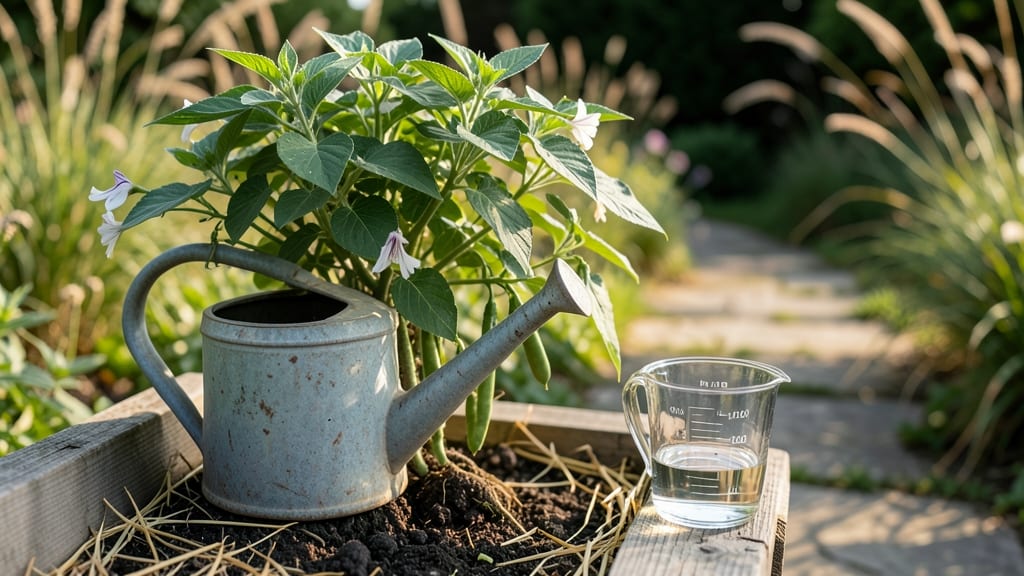
Bean plants need about 1 cup of water per day to thrive, but the right amount depends on soil, heat, and growth stage.
Struggling to keep your bean plants lush and productive? Overwatering or underwatering can turn your garden into a sad, wilted mess—here’s the exact daily watering schedule your bean plants crave for maximum growth.
Young seedlings need consistent moisture, while mature plants in USDA Zone 6a can handle slightly less when established. The key is keeping the soil evenly damp but never soggy—especially in spring when growth is most active.
Below, I’ll break down the ideal watering routine, signs of trouble, and how to adjust for hot days or containers. By the end, you’ll know exactly when to water, how much to give, and what to watch for.
Daily watering requirements for bean plants by growth stage
Bean plants are surprisingly resilient, but their watering needs change dramatically from seedling to fruiting stages. Too little water stunts growth, while too much causes root rot—both can kill your harvest.
Understanding these shifts is key to growing healthy, productive bean plants all season long. I’ve grown beans for years, and I’ve learned the hard way that consistency is everything.
Young seedlings need gentle, frequent moisture to establish roots, while mature plants thrive with deep, infrequent watering. Environmental factors like temperature, humidity, and soil type also play huge roles.
For example, container-grown beans dry out faster than in-ground plants, and sandy soil drains quicker than clay. Let’s break down the exact watering schedule your beans need at each stage.
| Growth Stage | Daily Water Needs | Frequency | Soil Moisture Test | Environmental Notes |
|---|---|---|---|---|
| Seedling (0-2 weeks) | ¼ cup per plant | Daily (keep soil damp) | Top 1 inch moist | Use shallow trays; avoid overhead watering |
| Vegetative (3-5 weeks) | ½ cup per plant | Every other day | Top 2 inches moist | Increase frequency in hot weather |
| Flowering (6-8 weeks) | ¾ cup per plant | Every 2-3 days | Top 3 inches moist | Critical stage—drought stress drops flowers |
| Fruiting (9+ weeks) | 1-1½ cups per plant | Every 3-4 days | Top 4 inches moist | Deep water at soil level to avoid wetting leaves |
| Drought Conditions | Double usual amount | Every 1-2 days | Top 6 inches dry | Mulch heavily to retain moisture |
At the seedling stage, your beans need light but consistent moisture. Think of it like a baby—too much can drown them, while too little causes them to wilt. I use a spray bottle for seedlings to mimic gentle rain, keeping the soil damp but not soggy.
A simple test is to stick your finger 1 inch deep—if it feels dry, it’s time to water.
As beans transition to the vegetative stage (3-5 weeks), they develop deeper roots and can handle slightly less frequent watering. Here’s my trick: water deeply in the morning so the soil has time to dry out between sessions.
This prevents fungal diseases like rust or powdery mildew, which thrive in damp conditions. Aim for ½ cup per plant every other day, but adjust based on your soil type—sandy soil drains faster than clay.
The flowering stage is where many gardeners make mistakes. Beans need consistent moisture to set fruit, but sudden dry spells can cause flowers to drop. I’ve seen entire plants abandon flowering during heatwaves!
To prevent this, water deeply every 2-3 days and mulch with straw or grass clippings to lock in moisture. A good rule of thumb: if the top 3 inches of soil feel dry, it’s time to water.
Once your beans enter the fruiting stage, they’re thirstiest of all. This is when you’ll see the biggest pods, and they need 1-1½ cups of water per plant every 3-4 days.
The key here is deep watering—aim the hose or watering can at the base of the plant to encourage roots to grow downward. Avoid wetting the leaves, as this can promote fungal diseases. If you notice pods shrinking or leaves curling, it’s a sign they’re thirsty.
Environmental factors can drastically alter your watering schedule. During heatwaves (above 90°F), I increase watering to every 1-2 days and add
Signs your bean plants are overwatered or underwatered (and how to fix it)
Even with the right daily watering schedule, bean plants can still suffer from watering mistakes. Too much water smothers roots, while too little stunts growth.
Learning to spot these visual cues early saves your harvest. I’ve seen firsthand how quickly beans wilt or develop yellow leaves when watering goes wrong.
Yellowing leaves are the first red flag. Overwatered beans show soggy stems and leaves that feel limp even when soil is wet. Underwatered beans have crispy edges and droop by midday. Both conditions stress plants, but the fixes couldn’t be more different.
⚠️ How Much Water Does a Bean Plant Need Per Day?
Beans need 1 cup of water per plant daily in hot weather, but every other day in cooler climates. Morning watering prevents fungal risks. Check soil moisture by sticking your finger 1 inch deep—if dry, water thoroughly.
For overwatered beans, stop watering immediately and let soil dry out. Gently loosen compacted soil around roots to improve airflow. If roots smell rotten, trim affected areas and repot in fresh, well-draining soil. Mulch helps regulate moisture without suffocating roots.
Underwatered beans need a deep soak until water runs out the drainage holes. Afterward, reduce frequency to encourage deeper root growth. Grouping plants together creates a microclimate that retains moisture longer—this trick works especially well in container gardens.
Root rot is the silent killer of overwatered beans. Look for black, mushy roots or wilting despite wet soil. Yellow leaves with brown edges confirm the issue. To recover, prune damaged foliage and transplant to a pot with perforated drainage if growing in containers.
Prevent future mistakes by using a moisture meter or the finger test. Beans thrive on consistency—aim for even moisture without waterlogging. Adjust your schedule based on weather: hot days demand more frequent watering, while rainy spells may require pauses.
With these fixes, your beans will bounce back in 7-10 days. Keep an eye on soil moisture and adjust as needed. Happy plants mean plump pods and a bountiful harvest—no guesswork required! 🌱