
Plants
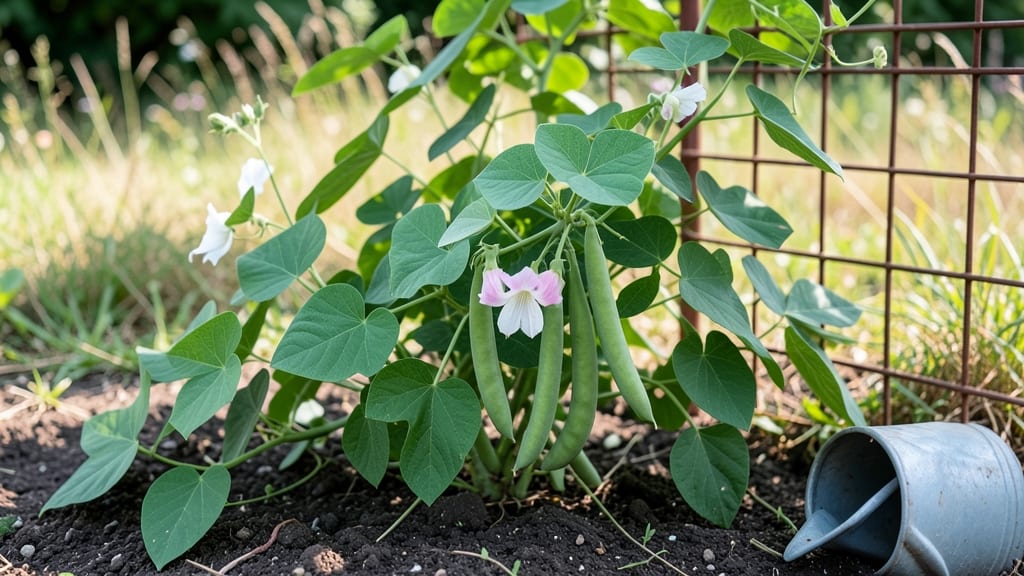
If you love the look of green beans but want plants that do double duty in your garden, you’re in luck. 🌿 These vining beauties—like scarlet runner beans and pole beans—climb trellises with the same elegant grace as their edible cousins, but with showstopping blooms in deep reds, pinks, and whites.
They’re the perfect blend of function and beauty for any edible landscape.
Scarlet runner beans (Phaseolus coccineus) are the stars of the show, producing dramatic, 5-inch flowers that attract hummingbirds while their pods add a harvestable bonus.
Runner beans (Phaseolus coccineus varieties) grow 10–15 feet tall, making them ideal for tall trellises or fences, where their lush foliage softens hard lines in garden design. Even if you’re not harvesting pods, their vertical growth creates a stunning living screen.
For a more delicate touch, try ornamental pole beans (Phaseolus vulgaris ‘Rattlesnake’ or ‘Kentucky Wonder’). Their tendrils twine effortlessly up structures, creating a romantic, cottage-garden feel while still producing edible beans. Plant them near patios or along walkways to frame entryways with their cascading vines and vibrant blooms.
These plants thrive in full sun and well-draining soil, making them low-maintenance additions to any garden. Whether you’re growing them for their flowers, foliage, or harvest, they’ll bring both beauty and bounty to your outdoor space—no extra effort required.
What Triggers Bean-Like Growth
If your garden is sprouting plants that resemble green beans—whether you planted them or not—there’s usually a clear reason behind their appearance. These vining wonders often emerge due to a mix of natural processes and human (or animal) influence.
Understanding the causes can help you manage them intentionally or avoid unwanted guests in your garden. Let’s break down the science and scenarios behind these bean-like imposters.
Many plants that look like green beans are actually volunteer seedlings—plants that grow from seeds dropped by nearby mature plants the previous season. This happens naturally in the plant kingdom, especially with:
- Legumes (e.g., pole beans, scarlet runners, or wild vetch): These plants produce pods that split open, scattering seeds across your garden. Even a single pod left behind can lead to a surprise harvest the next year.
- Weedy vines (e.g., morning glories, hyacinth beans): Some ornamental vines are aggressive self-seeders, especially in warm climates. Their lightweight seeds hitchhike on wind, water, or wildlife, landing in unexpected spots.
Why it happens: Plants evolve to spread their seeds for survival. Legumes, in particular, rely on dehiscence (the natural splitting of pods) to release seeds when dry. If you’ve ever seen a bean pod burst open with a pop, you’ve witnessed this process firsthand. Without intervention, these seeds can lie dormant in the soil for years before germinating—especially in well-draining, sunny areas.
Actionable tip: If you’re growing edible beans, harvest pods before they dry or remove plants entirely after harvest to prevent self-seeding. For ornamental vines, deadhead flowers or mulch heavily to suppress unwanted volunteers.
Birds, squirrels, and even deer can turn your garden into a seed-dropping hotspot. These creatures play a dual role: they eat bean pods and seeds, then deposit undigested seeds elsewhere via their droppings. This is how many "mystery" bean-like plants end up in your landscape.
- Birds (e.g., sparrows, doves, finches): They peck at ripe bean pods, swallowing seeds whole. The seeds pass through their digestive tract unharmed and are fertilized by the animal’s gut bacteria—resulting in higher germination rates.
- Squirrels and chipmunks: These rodents are notorious for burying seeds (like those from pole beans or peas) in fall, then forgetting their caches. Some seeds sprout where they’re buried, while others remain viable for up to 5 years.
- Deer and rabbits: While they may nibble on young seedlings, their manure can also contain seeds from plants they’ve eaten elsewhere.
Why it happens: This is a classic example of endozoochory, a type of seed dispersal where animals ingest seeds and later excrete them far from the parent plant. The warm, nutrient-rich environment of animal waste provides an ideal germination medium, giving seeds a head start.
Actionable tip: Use bird netting over bean plants during pod maturation to deter seed-eating birds. For squirrels, try repellent sprays (like hot pepper wax) or plant traps away from your main garden. If wildlife is a recurring issue, consider fencing or raised beds.
If you’ve noticed bean-like plants popping up everywhere, your soil might be a seed bomb waiting to explode. Contaminated compost, manure, or even store-bought potting mix can harbor hidden seeds from previous gardens—or even from wild areas where the soil was sourced.
- Old garden soil: Soil from a previous garden (especially one where beans, peas, or clover grew) can contain dormant seeds for decades. Disturbing the soil—through tilling, planting, or even watering—can trigger germination.
- Compost and manure: While compost is great for gardens, it can also introduce seeds from yard waste, vegetable scraps, or animal bedding. Manure from livestock (like cows or horses) often contains weed seeds, including legume varieties.
- Store-bought mulch or topsoil: Some bagged products are sourced from areas with high weed pressure, including wild legumes.
Why it happens: Seeds in soil enter a state called secondary dormancy, where they wait for the right conditions (like warmth, moisture, and light) to germinate. When you amend your soil with fresh compost or till, you’re essentially inviting these seeds to wake up. Some seeds, like those from Vicia (vetch) or Lathyrus (sweet pea) species, can remain viable for 10+ years in the soil.
Actionable tip: To break the seed bank, practice solarization (covering soil with clear plastic for 4–6 weeks in hot sun) or use biofumigation (planting mustard or brassicas to suppress weeds). For compost, opt for compost tea or high-heat composting (140°F+) to kill seeds. Always check labels on soil amendments for "weed-free" guarantees.
Sometimes, bean-like plants aren’t a mystery—they’re a deliberate (but forgotten) addition to your garden. Whether it’s a mislabeled seed packet, a well-meaning gift, or a gardener’s oversight, these plants can turn up where you least expect them.
- Mislabeled seeds: Seed packets can be swapped at nurseries, or you might’ve grabbed the wrong variety (e.g., thinking you bought bush beans but getting pole beans instead). Some heirloom or open-pollinated seeds are also easily confused with wild relatives.
- Garden swaps or gifts: A neighbor’s "free" bean plants might’ve been a mix of edible and ornamental varieties—or even invasive species like Tephrosia (wild indigo).
- Forgetting last year’s plants: If you left a few bean plants standing over winter, they might’ve self-seeded before you noticed. Some perennials (like Lupinus, or lupines) also produce bean-like pods that scatter seeds.
Why it happens: Human error is a major factor! Seed companies, gardeners, and even nature itself can lead to mix-ups. For example, Phaseolus vulgaris (common bean) can cross-pollinate with wild Phaseolus species, creating hybrid seeds that sprout unpredictably. Additionally, some ornamental beans (like Dolichos lablab, or hyacinth beans) are hardy perennials in warm climates and reseed aggressively.
Actionable tip: Label everything—even "temporary" plants. Buy seeds from reputable suppliers and double-check descriptions. If you’re unsure about a plant’s identity, use a plant ID app (like PlantNet or Google Lens) before assuming it’s a weed. For persistent volunteers, pull them early before they set seed.
Quick Fixes for Vining Plants
Got tangled vines or overgrown climbers that resemble green beans but aren’t behaving as expected? Whether it’s tangled growth, pests, or nutrient issues, these practical solutions will help you restore order—and beauty—to your garden.
Below, we’ll tackle common problems with clear, step-by-step fixes and prevention tips to keep your vining plants thriving.
---
When your vines grow wild and unruly, they can smother other plants or look messy. Here’s how to manage them:
#### 🔪 Prune Strategically - 🌿 Trim back overgrowth in early spring or after flowering to encourage bushier, more controlled growth. - 🍃 Use sharp pruners to cut just above a leaf node (where new growth emerges) to prevent dead ends. - 🌱 Remove damaged or crossing vines to improve airflow and reduce disease risk.
#### 🎯 Guide Growth with Supports - 🪵 Install trellises, cages, or stakes early to train vines upward and save space. - 🧵 Use soft ties (like old T-shirts or plant clips) to secure vines without damaging stems. - 🌿 Prune regularly to redirect energy to the main stems rather than sprawling tendrils.
💡 Pro Tip: If your vines are still looking leggy, try pinching back the tips of young plants to encourage branching.
---
Yellowing leaves, holes, or wilting? Pests or diseases might be the culprits. Act fast to save your plants.
#### 🦟 Identify the Problem First - 🐛 Common pests: Aphids, spider mites, or beetles often target tender vines. - 🍄 Fungal issues: Powdery mildew or rust can appear as white or orange spots. - 🌱 Check undersides of leaves and stems for signs of infestation.
#### 🧼 Treat Naturally or Chemically - 🌿 For pests: - Spray with neem oil (1 tsp per quart of water) or soapy water (1 tbsp mild soap per gallon). - Introduce beneficial insects like ladybugs or lacewings. - 🍃 For fungal diseases: - Apply copper fungicide or a baking soda spray (1 tbsp baking soda + 1 quart water + a drop of dish soap). - 🌡️ Improve airflow by pruning crowded vines and watering at the base (not overhead).
✨ Prevention Tip: Rotate crops annually and clean up debris in fall to reduce pest and disease buildup.
---
If your vines look weak, yellow, or stunted, they might need a nutrient boost.
#### 📊 Test Your Soil - 🔬 Use a soil test kit (available at garden centers) to check pH and nutrient levels. - 🌿 Ideal pH for most vining plants: 6.0–7.0 (slightly acidic to neutral).
#### 💪 Feed for Growth - 🍅 For nitrogen (green leafy growth): Use compost, fish emulsion, or a balanced fertilizer (10-10-10). - 🌶️ For flowering/fruiting: Switch to a phosphorus-rich fertilizer (like 5-10-10) when buds form. - 🌱 Mulch with straw or shredded leaves to retain moisture and improve soil health.
💡 Pro Tip: Avoid over-fertilizing—too much nitrogen can lead to lush foliage but few flowers or pods.
---
Too much or too little sunlight/water can stress your vines.
#### ☀️ Adjust Sun Exposure - 🌞 Most vining plants (like pole beans or cucumbers) need 6–8 hours of sun daily. - 🌳 If shaded: Move plants to a sunnier spot or choose shade-tolerant varieties (like some Malabar spinach). - 🌿 If scorched: Provide afternoon shade with a sheer cloth or drip irrigation to prevent wilting.
#### 💧 Water Wisely - 🌱 Keep soil consistently moist (but not soggy) during growing season. - 🚰 Water deeply 1–2 times per week (adjust for climate—drought-prone areas may need more). - 🌿 Avoid wetting leaves to prevent fungal diseases; use drip irrigation or water at the base.
🎯 Prevention Tip: Mulch heavily to retain moisture and regulate soil temperature.
--- If your vines are severely tangled or diseased, sometimes a hard reset is best: 1. 🔪 Cut back to 6–12 inches above the ground (if the plant is perennial) or remove entirely (if annual).
2. 🌱 Fertilize lightly with compost to encourage new growth. 3. 🪵 Install fresh supports to guide the regrowth.
--- By addressing these common issues with targeted care, your vining plants will soon look neat, healthy, and productive—just like the green bean lookalikes you love! 🌿✨
Frequently asked questions
Are all plants that look like green beans edible?
Not all of them! While scarlet runner beans and pole beans are edible, some ornamental varieties like Dolichos lablab (hyacinth beans) can be toxic if consumed raw. Always verify the plant type before harvesting. When in doubt, use a plant ID app or consult a local nursery.
How can I tell if a bean-like vine is ornamental or edible?
Check the flowers and pods: edible varieties like green beans have small, white or pale flowers and smooth pods, while ornamental types often feature bold red, pink, or white blooms with showy seed pods. Scarlet runner beans are a hybrid with both edible pods and stunning flowers.
Can I grow these vines in containers?
Pole beans and scarlet runners thrive in containers with at least 5-gallon pots and proper trellis support. Use well-draining potting mix and place containers in full sun. Just ensure the container is large enough for their mature height (up to 10 feet for scarlet runners).
Why do some bean-like plants have toxic seeds?
Many ornamental vines produce toxic compounds (like lectins) in their seeds as a natural defense against predators. These plants evolved to prioritize seed dispersal over edibility. For example, Lathyrus odoratus (sweet pea) seeds contain neurotoxins—always keep them away from pets and children.
How do I prevent these plants from self-seeding everywhere?
Remove flower pods before they dry and split open. For persistent volunteers, mulch heavily or use landscape fabric. If you want to keep them, collect seeds yourself and store them in a cool, dry place to control where they grow next season.