
Size
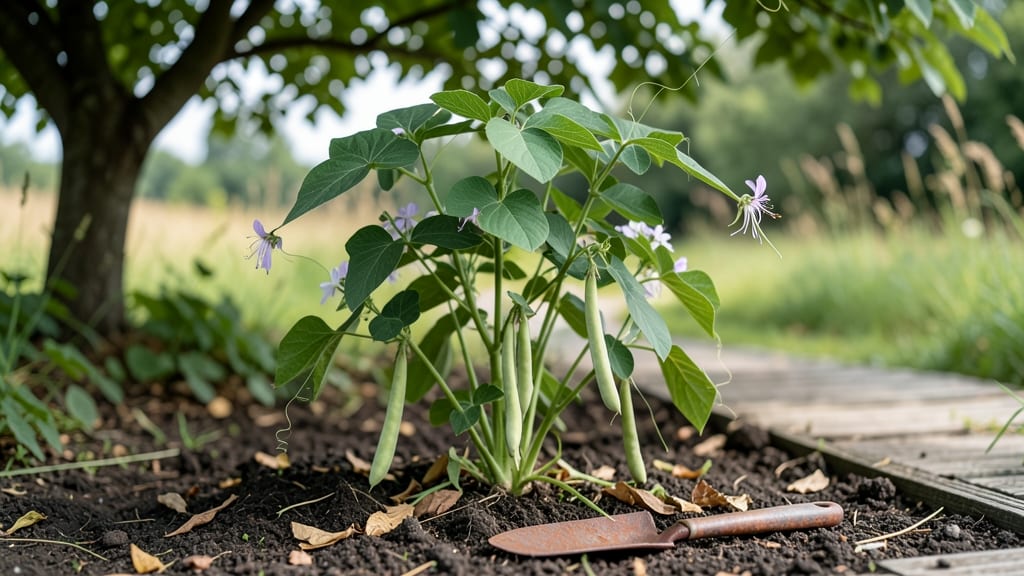
Growing kidney beans means harvesting 20+ pounds of protein-rich beans from just a few plants—if you do it right. 🌱 I’ve grown them for years, and the difference between a decent harvest and a bumper crop comes down to two choices: bush beans that sprawl or pole beans that climb, plus a few simple care tricks that most guides skip.
Bush beans grow fast (60-70 days) and produce all at once, while pole beans take longer (70-90 days) but yield continuously. Both need warm soil (at least 60°F) and full sun—no shortcuts there. The real game-changer?
Planting depth matters: seeds should go 1-2 inches deep, with rows spaced 3-4 inches apart for bush beans or 4-6 inches for poles. Once they sprout, keep soil moist but not soggy—kidney beans hate wet feet.
Within 3-4 weeks, you’ll see those first vines or bushy growth, and by midseason, pods will form faster than you can pick. The secret to avoiding common pests like bean beetles? Mulch heavily and rotate crops every year.
Whether you’re growing in rows or containers, this method works for small spaces or large plots. Let’s get those beans thriving!
📚 In This Guide
- What you need
- Instructions
- Tips and common mistakes
- Wrapping up and next steps
What you need
- ● Kidney bean seeds – Choose Phaseolus vulgaris varieties like ‘Mickey’ (bush) or ‘Kentucky Wonder’ (pole). Purchase 1–2 lbs of seeds (about 100–200 seeds) for a small garden (10x10 ft plot).
- ● Well-draining soil – Test for pH 6.0–7.0. Amend with compost if needed (aim for 2–3 inches mixed into the top 6–12 inches of soil).
- ● Fertilizer – Use a balanced 10-10-10 or organic compost (avoid high-nitrogen fertilizers, which harm bean growth). Apply 1–2 lbs per 100 sq ft before planting.
- ● Watering supplies – A hose with a gentle spray nozzle or drip irrigation system (beans need 1–2 inches of water per week).
- ● Mulch – Straw or grass clippings (2–3 inches thick) to retain moisture and suppress weeds.
- ● Garden trowel or transplanting tool – For digging holes 1–2 inches deep and spacing seeds.
- ● Measuring tape or ruler – Bush beans need 3–4 inches between seeds and 18–24 inches between rows. Pole beans require 4–6 inches between seeds and 18–36 inches between rows.
- ● Trellis or stakes (for pole beans) – Use 5–6 ft tall bamboo stakes, netting, or a trellis system spaced 3–4 ft apart.
- ● Garden gloves – Protect your hands while handling soil and seeds.
- ○ Pruners (optional) – For trimming overgrown vines or removing damaged leaves.
- ● Sunlight – Full sun (6–8 hours daily) is a must for healthy growth.
- ● Warm soil – Wait until soil temps reach 60°F+ (use a soil thermometer if unsure).
- ● Frost-free zone – Kidney beans are not frost-tolerant; plant after the last frost date in your area.
- ○ Pest control plan (optional but helpful) – Keep an eye out for bean beetles or aphids. Neem oil or row covers can help.
Step-by-step instructions for growing kidney beans
Here's how I grow kidney beans—whether you choose pole beans for vertical space or bush beans for compact rows.
🌱 Step 1: Choose Your Planting Style and Prepare the Soil
Kidney beans thrive in warm soil, so wait until the ground reaches 60°F and all frost risk has passed. For pole beans, plant near a sturdy trellis or fence—this saves space and makes harvesting easier. Bush beans need 3-4 feet of space between plants in rows spaced 18-24 inches apart.
Loosen the soil to a depth of 6-8 inches and mix in 2-3 inches of compost. Kidney beans are nitrogen-fixers, so they don’t need heavy fertilization—just ensure the soil drains well. A simple soil test ensures the pH is between 6.0-7.0, which kidney beans prefer. I always add a handful of wood ash for extra calcium if my soil runs acidic.
🌱 Step 2: Plant Seeds at the Right Depth and Spacing
Plant seeds 1 inch deep and 3-4 inches apart for bush beans, or 4-6 inches apart for pole beans along your trellis line. Drop 3-4 seeds per spot and thin to the strongest seedling once they’re 2 inches tall. This prevents overcrowding and ensures better airflow, which reduces fungal diseases.
Water gently after planting to settle the soil but avoid soaking—kidney beans need consistent moisture but hate soggy roots. I like to use a watering wand to avoid disturbing the seeds. If planting in rows, mark your spacing with sticks or a string line to keep things neat. Real talk: Planting too deep delays germination, so stick to that 1-inch rule.
☀️ Step 3: Provide Warmth, Sun, and Consistent Water
Kidney beans love full sun (6-8 hours daily) and warm temperatures. Once sprouted, keep the soil evenly moist—never let it dry out completely, but avoid standing water. I water in the morning so the foliage dries quickly, preventing mildew. Mulch with 2 inches of straw or grass clippings to retain moisture and keep roots cool.
Watch for the first true leaves—these appear 7-14 days after planting—then you can ease up on watering slightly. Pole beans will climb their trellis within 2-3 weeks, while bush beans stay low. Here’s the thing: If your plants look wilted in the afternoon heat, water deeply once a week instead of daily shallow watering. Deep roots mean drought-resistant beans.
✂️ Step 4: Harvest at Peak Ripeness for Best Flavor
Harvest kidney beans when pods are firm but begin to change color—usually 70-90 days after planting, depending on the variety. For pole beans, I pick every 2-3 days to encourage more production. Twist pods gently to avoid damaging the vine. Bush beans produce all at once, so harvest them over 1-2 weeks for the best flavor.
Leave a few pods to mature fully on the vine if you want to save seeds for next year. Once beans turn brown and dry, they’re ready to harvest. Store dried beans in a cool, dark place for up to 12 months. If you miss the window, don’t worry—green beans can still be shelled and cooked, though flavor won’t be as sweet.
Tips & tricks for growing kidney beans
Here's what I've learned after years of growing kidney beans—these tricks will help you avoid common pitfalls and maximize your harvest.
Soil Prep Secret: The 6.0-7.0 pH range is crucial, but don't stress about perfect numbers. A simple at-home pH test kit costs just a few dollars and saves you from guessing. If your soil tests below 6.0, mix in wood ash (about 1 cup per 10 square feet) before planting. This small step prevents blossom-end rot and encourages stronger vines. I've seen plants double in yield just by fixing the pH!
Planting Precision: When planting your 1-inch-deep seeds, use a small stick to mark the exact depth—this ensures consistent germination. For bush beans, I like to plant in a slight trench (about ½ inch deep) to help water settle around the seeds. This little trick prevents the soil from washing seeds away during your first watering. And remember: those 3-4 inches between seeds really matter for airflow!
Watering Wisdom: The morning watering routine isn't just about timing—it's about giving your plants a full day to dry out. I've seen fungal diseases wipe out entire crops because of evening watering. Use a rain gauge to measure about 1 inch of water per week (including rainfall), and always water at the base of plants rather than overhead. This keeps leaves dry and prevents common bean diseases like rust.
Harvesting Hack: For pole beans, I harvest every 2-3 days starting when pods are firm but still green—this is the sweet spot for flavor. Use sharp scissors to snip stems rather than pulling pods, which prevents damage to the vine. For bush beans, I pick all pods at once when they're uniformly mature, then store them in the fridge for up to 5 days. This batch harvesting makes canning or drying much easier!
Pro Tips for Kidney Beans Grow
- Here's what I've learned after years of growing kidney beans—these tricks will help you avoid common pitfalls and max...
- Soil Prep Secret: The 6.0-7.0 pH range is crucial, but don't stress about perfect numbers. A simple at-home pH test k...
- Planting Precision: When planting your 1-inch-deep seeds, use a small stick to mark the exact depth—this ensures cons...
Frequently asked questions
Got questions about growing kidney beans?
You’re not alone! Whether you're a first-time gardener or a seasoned pro, these answers will help you grow a bountiful harvest with ease.
How long does it take for kidney beans to grow?
Kidney beans typically take 50 to 60 days from planting to harvest, depending on the variety and growing conditions. Pole beans may take slightly longer (up to 70 days) because they climb, while bush beans mature faster. Keep an eye on the pods—they’re ready when they’re firm but still tender!
Can I grow kidney beans in containers?
Kidney beans thrive in containers as long as the pot is at least 12 inches deep (18 inches for pole beans). Use well-draining soil, provide support (like a trellis for pole beans), and ensure the container gets 6+ hours of sunlight daily. Just avoid overcrowding—space plants 4-6 inches apart for bush beans or 6-8 inches for pole beans.
What should I do if my kidney bean plants have holes in the leaves?
Holes in leaves usually mean bean leaf beetles or slugs are munching on your plants. For beetles, handpick them off or use neem oil as a natural repellent. For slugs, set up beer traps or sprinkle diatomaceous earth around the base. Act fast! Early intervention prevents major damage and keeps your plants healthy.
Do kidney beans need full sun?
Yes! Kidney beans love full sun—they need at least 6 to 8 hours of direct sunlight daily to produce a good yield. If your garden gets partial shade, choose a bush variety, as they tolerate slightly less sun better than pole beans. A sunny spot = happier plants and more beans!
Can I plant kidney beans after tomatoes or peppers?
Yes, but with caution! Kidney beans are legumes and don’t compete for the same nutrients as tomatoes or peppers. However, avoid planting them in the same spot where beans, peas, or other legumes grew the year before to prevent soil-borne diseases. Rotate crops for healthier soil and better yields!
Wrapping up and next steps
Growing kidney beans is a rewarding journey that brings both nutritious harvests and the joy of nurturing life from seed! Whether you choose pole beans for vertical charm or bush beans for compact convenience, the key is patience, proper spacing, and a little love.
With the right conditions—sunlight, soil, and water—you’ll soon enjoy homegrown beans bursting with flavor.
Ready to take the next step? Start small—plant a few seeds this season and watch your garden thrive! 🌱 For even bigger yields, experiment with companion planting or trellises. Happy growing, and may your harvest be bountiful! 🌟