
Vegetables
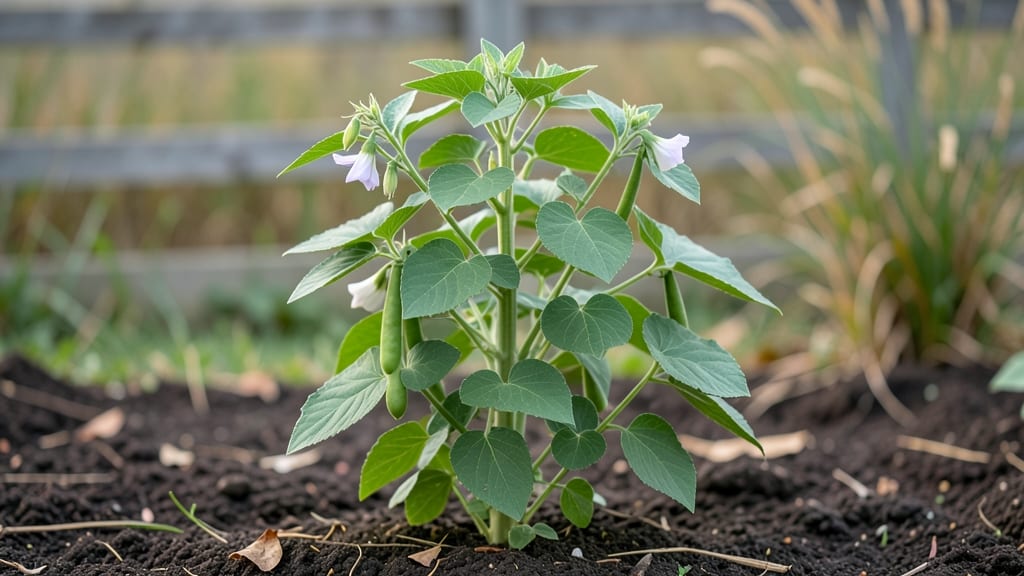
Bush beans and green beans aren't the same: bush beans are a specific type of green bean that grow in compact bushes, while traditional green beans (pole beans) climb vines. Both are varieties of Phaseolus vulgaris but have different growth patterns and harvest times.
Bush beans are what gardeners call determinate varieties—they grow in neat, self-supporting bushes that stop growing once they start flowering. 🌱 This makes them perfect for small gardens or containers, since they don't need trellises like their climbing cousins.
Traditional green beans (pole beans) are indeterminate, meaning they keep growing and producing beans all season long if given support.
Here's why this matters for your garden: bush beans mature faster (typically in 45-60 days) and produce a single, concentrated harvest, while pole beans take longer (50-70 days) but keep yielding until frost.
Both are delicious, but their growth habits change how you'll plan your planting schedule and space.
💡 In This Article
- Botanical and Growth Habit Differences Between Bush and Green Beans
- Garden Planning: When and How to Grow Bush vs Green Beans
Botanical and growth habit differences between bush and green beans
The key difference lies in their botanical classification and growth patterns. Both belong to the Phaseolus vulgaris species, but bush beans are determinate varieties, meaning their growth stops once they flower, producing a concentrated harvest.
These compact plants typically reach 2-3 feet tall with bushy, upright stems that require no support. In contrast, traditional green beans (pole beans) are indeterminate, growing continuously throughout the season with vines that can climb 6-10 feet or more if given proper trellises.
This growth habit difference stems from their genetic makeup. Determinate varieties like bush beans have a built-in "stop" signal that triggers once flowering begins, resulting in a 45-60 day maturity window. Indeterminate pole beans, however, keep producing flowers and beans until frost, extending their harvest period to 50-70 days.
The root systems also differ: bush beans develop a shallow, fibrous root network perfect for small spaces, while pole beans send out deeper, more extensive roots to anchor their climbing vines.
What this means for flavor and texture is subtle but noticeable. Bush beans often have a slightly sweeter profile due to their concentrated growth cycle, while pole beans develop a more complex flavor as they mature over time.
The texture remains similar—both are crisp when harvested young—but bush beans tend to be slightly firmer because their pods don't elongate as much during development. 🌱 This botanical contrast explains why gardeners choose one over the other based on space, time, and harvest preferences.
Another critical factor is their pod development. Bush beans produce pods all along their stems in clusters, while pole beans develop pods primarily at the stem tips.
This structural difference affects how you'll harvest them: bush beans can be picked all at once for a single harvest, while pole beans require regular picking to encourage continuous production. The pod length also varies—bush beans typically grow 3-5 inches, while pole beans can reach 5-7 inches or longer.
Consider the environmental implications too. Bush beans' compact growth makes them ideal for containers or small gardens, while pole beans thrive in vertical spaces, saving ground area.
Their different maturity rates also affect planting strategies: bush beans can be planted in succession every 2-3 weeks for staggered harvests, while pole beans are planted once and produce continuously. This botanical diversity is why both types remain popular in home gardens worldwide.
The science behind these growth patterns involves plant hormones called gibberellins, which regulate stem elongation. Determinate varieties have lower gibberellin activity, limiting their height, while indeterminate varieties maintain high gibberellin levels throughout the season.
This hormonal difference explains why pole beans need support—their stems naturally grow upward in search of light, while bush beans' stems thicken and stiffen to support themselves.