
Container Gardens
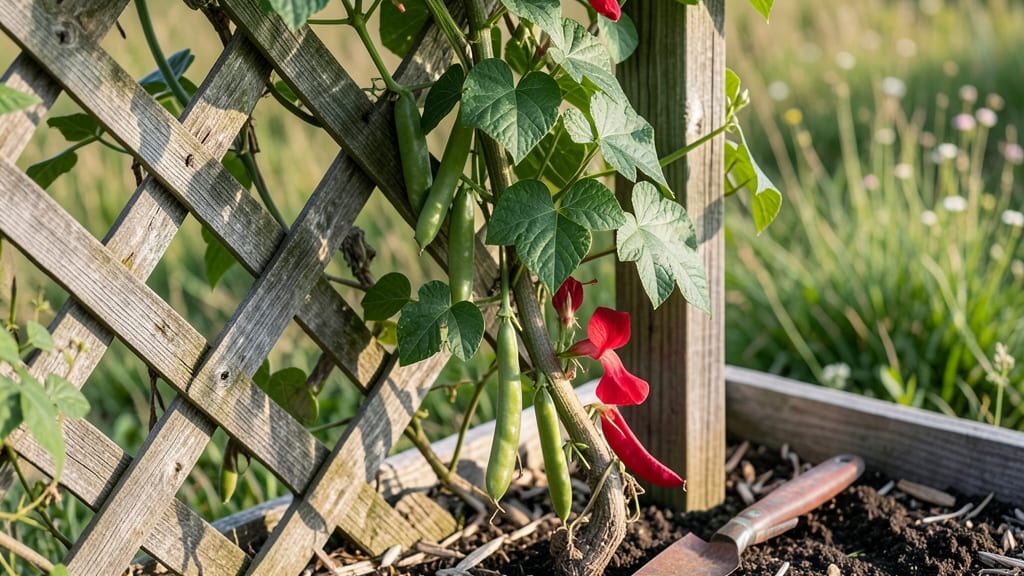
Growing scarlet runner beans means transforming your garden into a vertical explosion of vibrant red blooms and tender pods—all from seeds that cost pennies. 🌱 I’ve grown these for years, and they’re the perfect project for anyone who wants beauty, food, and a low-maintenance climb all in one.
These beans thrive in warm climates (zones 5-11) but can be started indoors early for cooler areas. They need 6-8 hours of sunlight and well-draining soil—no fancy amendments required. The key?
A sturdy trellis or fence to support their 10-15 foot vines, which will reward you with months of continuous blooms and edible pods. By mid-summer, you’ll be harvesting young pods for salads or saving seeds for next year. The flowers even make stunning garnishes!
The only real challenge? Keeping up with the harvest before the bees do. Works in containers too—just give them a 5-gallon pot and a vertical support. Let’s get those seeds in the ground!
📚 In This Guide
- What you need
- Instructions
- Tips and common mistakes
- Wrapping up and next steps
What you need
- ● Scarlet Runner Bean Seeds: 1–2 packages (50–100 seeds) per plant (or more if growing in clusters). Choose heirloom varieties like 'Scarlet Emperor' or 'King Henry' for reliable performance.
- ● Growing Space: Containers: 5–10 gallon pots (minimum 12" deep) with drainage holes. Use at least 2–3 containers per plant for climbing support.
- ● Raised Beds/In-Ground: Full sun (6+ hours daily) and well-draining soil. Space plants 12–18 inches apart in rows 3–4 feet apart.
- ● Soil: Well-draining, fertile soil with a pH of 6.0–7.0. Amend with compost (2–3 inches mixed into the top 6–8 inches of soil).
- ○ Optional: Container mix with perlite or vermiculite for better aeration.
- ● Climbing Support: Trellis, fence, or sturdy stakes (6–8 feet tall). Use twine, netting, or wire mesh for vines to cling to.
- ○ Optional: Decorative arches or obelisks for a romantic garden look!
- ● Fertilizer: Balanced 10-10-10 fertilizer or compost tea at planting. Avoid high-nitrogen fertilizers—they promote leafy growth over flowers/pods.
- ● Watering Supplies: Watering can or hose with a gentle spray nozzle (beans dislike soggy roots).
- ○ Tools: Trowel, pruners (for trimming), and gloves (optional but helpful!).
- ● Hardiness: Scarlet runner beans thrive in USDA Zones 3–11. They’re heat-tolerant but prefer warm soil (60°F+) to germinate.
- ● Planting Time: Cool climates: Sow seeds after the last frost (when soil is 60°F+).
- ● Warm climates: Plant in early spring or late summer to avoid extreme heat.
- ● Days to Maturity: ~90–120 days for edible pods. Flowers appear in 60–70 days!
- ● Mulch: Straw or wood chips to retain moisture and suppress weeds.
- ● Pest Deterrents: Neem oil or companion plants like marigolds to repel pests.
- ● Harvesting Tools: Small pruners or kitchen scissors for snipping pods.
- ● Decorative Touches: Colorful bean varieties or painted pots to enhance your container garden!
Step-by-step instructions for growing scarlet runner beans
Here’s how to grow these stunning, edible vines that reward you with flowers and pods all summer long.
🌱 Step 1: Choose the Perfect Planting Location
Scarlet runner beans thrive in full sun, so pick a spot that gets at least 6-8 hours of direct sunlight daily. They’re vigorous climbers, so position them near a sturdy trellis, fence, or arbor—these vines can reach 10-15 feet if given the chance. I always plant mine along a south-facing fence where they’ll get maximum warmth.
Check the soil pH before planting—scarlet runners prefer slightly acidic to neutral soil, ideally between 6.0 and 7.0. If your soil is heavy clay or sandy, mix in 2-3 inches of compost to improve drainage and fertility. You’ll know you’ve picked the right spot when the soil warms up in spring and stays moist but not soggy.
🌱 Step 2: Start Seeds Indoors or Direct-Sow After Frost
Scarlet runner beans are frost-sensitive, so wait until after the last frost date in your area to plant. If you’re in a short growing season, start seeds indoors 4-6 weeks before the last frost in biodegradable pots. Sow seeds 1 inch deep in warm soil—these beans germinate best at 65-75°F. I like to soak the seeds overnight first to speed up germination.
For direct sowing, plant seeds in the ground after all danger of frost has passed. Space them 4-6 inches apart in rows 18-24 inches apart to give the vines room to spread. Thin seedlings to the strongest one per spot once they’re 3-4 inches tall. Watch for the first true leaves to appear—this tells you the seeds have successfully sprouted.
☀️ Step 3: Provide Support and Water Consistently
As soon as seedlings reach 6 inches tall, provide a trellis or sturdy support. Scarlet runners grow quickly and need something to climb—without it, they’ll sprawl and produce fewer pods. I use a 6-foot-tall wire trellis for my plants, and they’ll twine around it within weeks.
Water deeply 1-2 times per week, keeping the soil evenly moist but not waterlogged. These vines are drought-tolerant once established, but young plants need consistent moisture. You’ll know they’re thirsty when the leaves start to wilt slightly in the afternoon—give them a good drink then, and they’ll perk right up.
✂️ Step 4: Prune and Encourage Flowering
Pinch back the tips of young vines when they reach 12 inches tall to encourage bushier growth. This helps the plant focus energy on producing more flowers and pods instead of just climbing. Remove any yellow or diseased leaves immediately—they can spread issues to healthy parts of the plant.
Deadhead spent flowers to promote continuous blooming. Scarlet runners produce vibrant red flowers that eventually turn into edible pods, but removing faded blooms keeps the plant producing new ones. Harvest pods when they’re 4-6 inches long for the best flavor—young pods are tender and sweet, while mature ones become tougher.
🌿 Step 5: Harvest and Extend the Season
Harvest pods regularly to encourage more production. Pick them in the morning when they’re cool and crisp. You’ll know they’re ready when the pods are firm and the seeds inside are still small. Leave a few pods on the vine to mature and dry—they’ll produce seeds for next year’s planting.
To extend the harvest, mulch around the base of the plant with 2-3 inches of straw or shredded leaves. This keeps the soil cool and retains moisture, which is especially helpful in hot climates. If frost threatens in fall, cut back the vines and compost them—you can also save seeds from dried pods for next season.
Tips & tricks for growing scarlet runner beans
These simple strategies will help you grow the most vibrant, productive scarlet runner bean plants possible.
Sunlight Secret: While 6-8 hours of direct sunlight is the minimum, I’ve found that plants in southern exposures or areas with afternoon sun actually produce more flowers and pods. If your garden gets less light, consider using a reflective surface like white gravel or a light-colored wall to bounce extra sunlight onto the vines.
Germination Boost: Soaking seeds overnight in warm water before planting gives you a head start on the 65-75°F germination window. I like to use a bowl of warm water (around 70°F) for 8-12 hours—this can cut your germination time by nearly half. Just make sure to rinse and plant immediately after soaking to prevent rot.
Support System: Don’t wait until seedlings reach 6 inches to provide support—install your trellis or fence right when you plant. The vines will naturally start climbing as soon as they’re strong enough, and having the structure in place prevents tangled growth. I use a simple wire trellis that’s 6 feet tall, but you can also use a sturdy wooden fence or even a strong garden obelisk.
Watering Wisdom: The 1-2 times per week watering guideline works best in moderate climates. In hotter areas, you might need to water every other day, while cooler regions may only need watering once a week. Always water deeply—aim for about 1 inch of water per week—to encourage strong root development. The wilting leaves in the afternoon are your signal to water, but don’t let the soil become soggy.
Pro Tips for Growing Scarlet Runner Beans
- These simple strategies will help you grow the most vibrant, productive scarlet runner bean plants possible.
- Sunlight Secret: While 6-8 hours of direct sunlight is the minimum, I’ve found that plants in southern exposures or a...
- Germination Boost: Soaking seeds overnight in warm water before planting gives you a head start on the 65-75°F germin...
Frequently asked questions
Got questions about growing your own scarlet runner beans? You’re not alone—these vibrant climbers are as popular as they are rewarding! Below, we’ve rounded up the most common questions to help you grow with confidence.
How long does it take for scarlet runner beans to grow and produce pods?
Scarlet runner beans are fast growers! From seed, expect vines to climb and establish in about 6–8 weeks, with the first flowers appearing in 8–10 weeks. Pods typically form 2–3 weeks after flowering, so you can harvest your first crop in 10–12 weeks total. Patience pays off—these beauties reward you with months of harvests if you keep them happy!
When is the best time to plant scarlet runner beans?
Timing is key for these warm-weather lovers! Plant seeds after the last frost when soil temps are at least 60°F (15°C). In most regions, this means late spring to early summer (May–June). If you’re in a short-season zone, opt for early-maturing varieties or start seeds indoors 4–6 weeks before transplanting. Pro tip: Soil should be warm enough to cook an egg in 10 minutes—test it!
Can I grow scarlet runner beans in containers, and what size pot do I need?
These beans are perfect for container gardening—just choose a large, sturdy pot (at least 12–18 inches deep) with good drainage. Since they’re vigorous climbers, pair your pot with a 5–6 foot trellis or tall cage. Use a lightweight, well-draining potting mix and fertilize lightly with balanced organic fertilizer every 3–4 weeks. Rotate the pot occasionally for even sunlight exposure.
Why aren’t my scarlet runner beans flowering or producing pods?
No flowers or pods? Don’t panic—it’s usually one of these fixes:
- Not enough sunlight: These beans need 6–8+ hours of direct sun daily. Move your plants to a sunnier spot.
- Overcrowding: Thin seedlings to 3–4 inches apart for better airflow and growth.
- Nutrient deficiency: Feed with phosphorus-rich fertilizer (like bone meal) to boost blooms.
- Temperature stress: They hate cold snaps—protect with row covers if nights dip below 50°F (10°C).
- Pollination issues: Hand-pollinate with a soft brush if bees are scarce (gently transfer pollen from flower to flower).
Most problems are fixable—give them a little TLC, and they’ll bounce back!
Are scarlet runner beans edible, and how do I harvest them?
Yes! While the flowers are stunning, the young pods and seeds are edible—though they’re not as tender as green beans. Harvest pods when 4–6 inches long (they toughen as they mature). For seeds, let pods fully dry on the vine, then shell them. Cook seeds like lima beans—they’re nutritious but must be cooked thoroughly (raw, they’re toxic). Enjoy the vibrant flowers in salads or garnishes too!
Wrapping up and next steps
Growing scarlet runner beans is a rewarding journey that brings vibrant blooms, lush foliage, and delicious harvests to your garden—whether in containers or traditional beds. With the right soil, support, and care, these climbers thrive while adding beauty and nutrition to your space.
Now that you’re equipped with tips and answers, it’s time to roll up your sleeves and plant!
🌱 Your Next Step: Plant & Watch Them Grow!
Start with a few seeds, follow the steps above, and enjoy the satisfaction of nurturing life. Before you know it, you’ll be savoring fresh pods or admiring their striking flowers. Happy gardening! 🌟