
Light Requirements
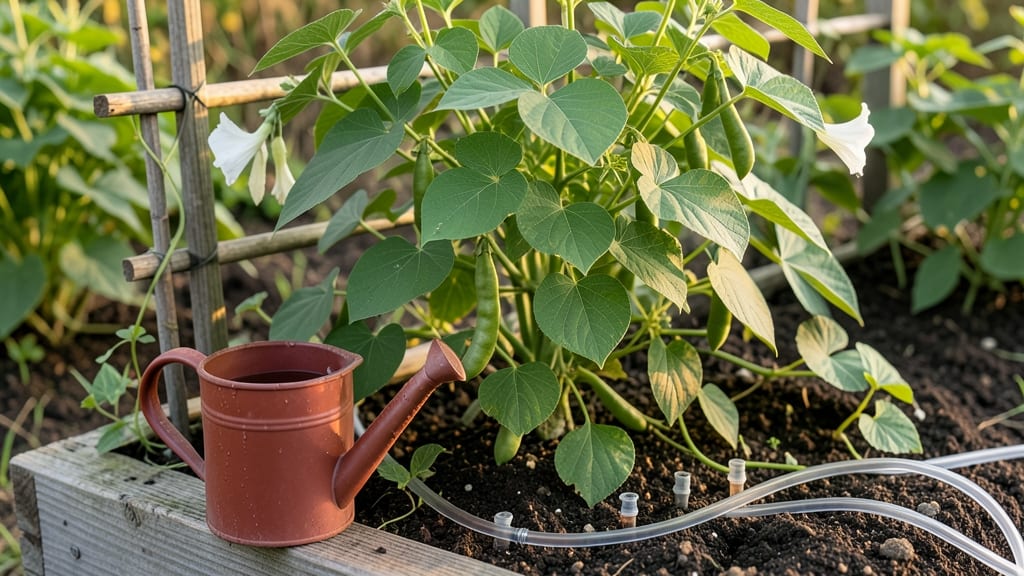
Do green beans need a lot of water, or will they thrive with just the right balance—consistent moisture but not soggy soil? The sweet spot is 1-1.5 inches per week, adjusted for heat and rain.
Struggling to grow lush green beans that consistently produce? Watering habits could be the silent killer of your harvest — too little and they wilt, too much and they rot. I’ve seen thriving plants turn to mush overnight because of a single misjudged watering schedule.
Here’s the secret: deep, infrequent watering beats shallow daily sprinkles. That means soaking the soil around your 🌱 early in the morning so roots get what they need without inviting fungal diseases.
Seedlings? Keep them evenly damp but never soggy, while mature plants can handle a slight dry spell between waterings.
Below, I break down how to read your soil, when to adjust for drought or downpours, and the one mistake that turns your beans into a mushy mess. Let’s get those pods growing!
How much water green beans really need (and when to adjust)
Green beans may not demand excessive water, but they do need consistent moisture to thrive. Unlike drought-tolerant plants, beans wilt quickly when thirsty and rot just as fast when overwatered.
The key is finding that sweet spot—keeping soil evenly moist without creating soggy conditions. 1-1.5 inches of water per week is ideal, but this changes dramatically based on your bean's growth stage and local climate.
Most gardeners assume green beans are low-maintenance, but their water needs shift dramatically from seedlings to flowering to pod production. A young plant needs frequent, shallow watering, while a mature bush can handle deeper, less frequent soakings.
Ignoring these stages often leads to stunted growth or poor yields. Let's break down the exact watering schedule your beans crave at each phase.
| Growth Stage | Water Needs | Frequency | Signs of Stress |
|---|---|---|---|
| Seedlings (0-3 weeks) | Keep soil evenly moist | Every 2-3 days | Wilting, yellowing leaves |
| Flowering (3-5 weeks) | 1 inch per week | Every 4-5 days | Dropping flowers, curled leaves |
| Pod Production (5+ weeks) | 1.5 inches per week | Every 3-4 days | Blossom end rot, stunted pods |
| Climate Adjustments | |||
| Hot/Dry Climates | Increase by 30% | Daily watering | Mulch heavily |
| Cool/Humid Climates | Reduce by 20% | Every 5-6 days | Yellowing leaves |
During the seedling stage, focus on keeping the top 1-2 inches of soil moist but never soggy. Use a spray bottle or gentle watering can to avoid disturbing delicate sprouts. Overwatering now causes seed rot, while underwatering leads to stunted growth.
Test soil moisture by sticking your finger 1 inch deep—if it feels dry, water immediately. Young plants need frequent attention, but consistency matters more than volume.
When beans enter the flowering phase, increase water slightly to support pod development. This is when many gardeners make the mistake of skipping water to prevent fungal issues, but beans actually need more moisture now to prevent flowers from dropping.
Aim for 1 inch per week, delivered in the morning to allow foliage to dry before evening. Morning watering also reduces the risk of bacterial blight, a common problem in humid climates.
At the pod production stage, your beans are working hardest to fill those pods, demanding the most water. 1.5 inches per week becomes your target, but adjust based on heat.
In summer heat, I often water twice daily—once in early morning and again in late afternoon—to prevent wilting. Pole beans need even more attention since their vines transpire rapidly. Always water at the base of plants to avoid wetting leaves, which invites disease.
Regional climate plays a huge role in watering. In arid zones like Arizona or California, beans may need daily watering during peak summer, while Pacific Northwest gardeners can stretch watering to every 5-6 days. Test your soil regularly: press your finger 2 inches deep—if it feels dry, water.
If it's still damp, wait another day. Mulching with straw helps retain moisture and reduces evaporation, cutting your watering needs by up to 30%.
Watch for visual stress signs that reveal watering errors. Yellowing leaves often signal overwatering or poor drainage, while crispy leaf edges mean underwatering. Blossom end rot (black, leathery spots on pods) is a classic sign of inconsistent moisture.
To fix this, adjust your watering schedule and add calcium-rich fertilizer like crushed eggshells. Wilting in the afternoon despite recent watering? Your beans may need more frequent, deeper waterings.
For container-grown beans, watering needs shift even more dramatically. Potted beans dry out 2-3 times faster than in-ground plants, so check soil moisture daily. Terracotta pots dry out fastest, while self-watering containers can stretch watering to every 3-4 days. Always use pots with drainage holes—green beans
Common watering mistakes that stunt green bean growth (and how to fix them)
Green beans might seem low-maintenance, but their watering needs are more delicate than you think. Overwatering causes root rot, while underwatering leads to stunted growth and poor yields.
Even small inconsistencies can derail your harvest, so let's fix these five common mistakes that sabotage your beans before they even reach maturity.
First, many gardeners assume green beans need a lot of water—but the truth is they prefer consistent moisture, not soggy soil. The key is balance: too much water drowns roots, while too little stresses plants. Let's tackle the biggest offenders and restore your beans to their full potential.
- Overwatering causes root rot and yellow leaves
- Inconsistent schedules lead to uneven growth
- Poor drainage creates waterlogged soil (fatal for beans)
- Overhead watering spreads fungal diseases like rust
- Ignoring soil moisture means guessing instead of measuring
Fix these now to save your harvest!
Mistake #1: Watering on a Schedule instead of checking soil moisture. Green beans need 1-1.5 inches of water weekly, but clay soil stays wet longer than sandy soil.
Stick your finger 1 inch deep—if it's dry, water; if damp, wait. A moisture meter ($10 at garden centers) takes the guesswork out.
Mistake #2: Using overhead sprinklers that wet leaves. This invites fungal diseases like rust, which turn leaves yellow and crispy. Switch to drip irrigation or soaker hoses placed at the base of plants. For small gardens, a watering wand with a gentle spray works too.
Mistake #3: Skipping mulch to retain moisture. Apply 2-3 inches of straw or wood chips around plants to lock in water and block weeds. Mulch also keeps soil 5-10°F cooler in summer, reducing stress. Replenish mulch every few weeks as it breaks down.
Mistake #4: Watering only when leaves wilt. By then, roots are already damaged. Instead, aim for deep watering 2-3 times per week (adjust for heat). Early morning is best—water soaks in before evaporation, and leaves dry quickly, preventing disease.
Mistake #5: Ignoring drainage in containers or heavy soil. If water pools after rain, amend soil with perlite or compost to improve airflow. For pots, ensure drainage holes exist and elevate containers to prevent soggy roots.
Test drainage by filling a pot with water—if it drains in 10 minutes, it's safe.