
Vegetables
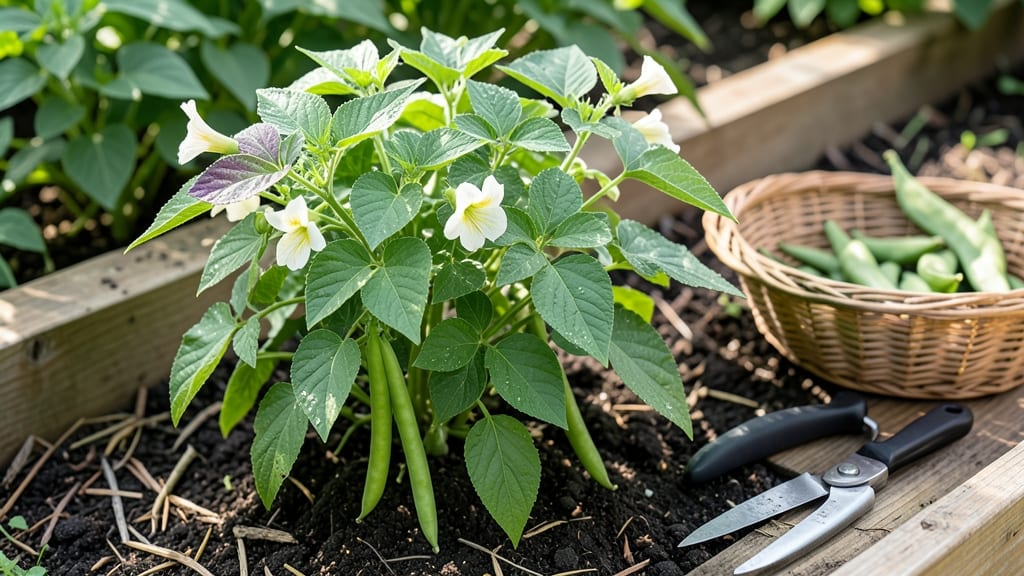
Raw green beans aren't toxic, but their natural lectins and oxalates can cause mild digestive upset or reduce nutrient absorption if eaten in large quantities. Proper cooking breaks down these compounds, making them safer and easier to digest.
While raw green beans won't poison you, their lectins can irritate sensitive stomachs, and oxalates might interfere with calcium absorption if overconsumed. 🌱 The good news? Light cooking—like steaming for just 3-5 minutes—dramatically reduces these compounds while preserving most nutrients.
I always recommend cooking them before eating, especially for kids or those with sensitive digestion, since even small amounts of lectins can cause bloating in some people.
For maximum nutrition, try light steaming (which retains more vitamins than boiling) or quick sautéing with olive oil. A ½-cup serving of cooked green beans provides fiber and vitamin K without the digestive risks of raw consumption.
If you're concerned about oxalates, pairing them with calcium-rich foods like almonds or dairy can help balance their effects.
💡 In This Article
- Lectin and Oxalate Levels in Raw Green Beans
- Safe Ways to Prepare Green Beans for Maximum Nutrition
Lectin and oxalate levels in raw green beans
Raw green beans contain two key compounds that can affect digestion: lectins and oxalates. Lectins are natural proteins that bind to carbohydrates, and while they're not poisonous, they can irritate the digestive lining in large amounts, causing bloating or mild discomfort.
Green beans contain about 0.1-0.3% lectins by dry weight, which is lower than legumes like kidney beans (which have 1-2% lectins) but still enough to notice effects if eaten raw in excess.
The oxalate content in green beans is more concerning for some people. A ½-cup serving (60g) of raw green beans contains roughly 150-200mg of oxalates, which can bind to calcium in the digestive tract and reduce its absorption.
This matters most for individuals prone to kidney stones or those with calcium absorption issues. For comparison, spinach has nearly 5x more oxalates per serving, making green beans a relatively moderate source.
Here's where cooking makes a difference: Heat breaks down lectins through a process called denaturation, where proteins unfold and lose their ability to bind to intestinal walls. Steaming or boiling for just 5 minutes can reduce lectins by 50-70%.
Oxalates are also reduced through cooking, though not as dramatically—typically by 20-30%. The key is proper preparation: Overcooking can leach nutrients, but even 3-4 minutes of steaming significantly improves digestibility while preserving vitamins like C and K.
What most people don't realize is that these compounds serve a purpose in nature. Lectins act as a natural defense mechanism for plants, deterring pests, while oxalates help regulate calcium levels in the plant itself. 🌱 In humans, however, their effects are purely about digestion and mineral absorption.
This is why raw green beans are safe in moderation (like in salads) but cooking is recommended for regular consumption, especially for sensitive stomachs.
For those tracking oxalates, pairing green beans with calcium-rich foods like dairy or leafy greens (low-oxalate varieties like zucchini) can help mitigate absorption issues. The body's ability to process oxalates varies—some people metabolize them efficiently, while others may experience discomfort.
If you're unsure, start with small portions of cooked green beans to gauge your tolerance.
The bottom line? Raw green beans won't poison you, but their natural compounds can cause mild digestive irritation or reduce nutrient absorption if eaten raw in large quantities. Cooking transforms them into a safer, more digestible vegetable while preserving most of their nutritional benefits. 💫