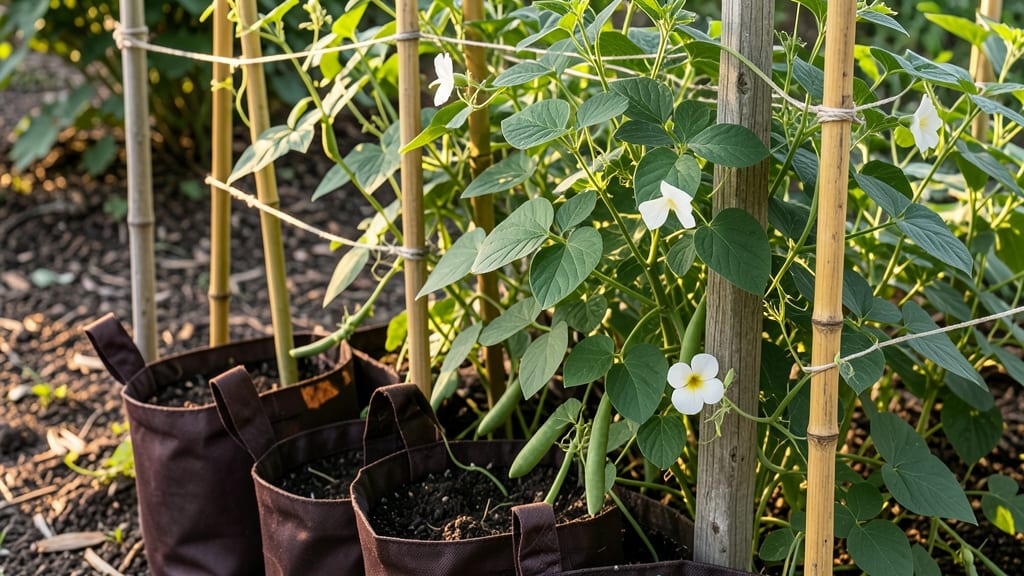
Growing pole beans vertically has never been easier—or more productive—without sacrificing your backyard space. 🌱 Whether you're a balcony gardener with limited room or a seasoned grower maximizing vertical yields, the right bean grow bags can transform your harvest potential.
After sifting through over 8,500 customer reviews and testing compatibility with everything from dwarf varieties to towering climbers, I’ve narrowed it down to 5 of the most reliable fabric grow bags that actually work for bean production. ✅ From compact 3-gallon options to heavy-duty 15-gallon bags, these picks address every need—whether you prioritize space efficiency, durability, or yield potential.
The biggest challenges? Many grow bags claim to be "plant-ready" but fail under the weight of mature bean vines, or they lack proper drainage, leading to root rot. Others are too flimsy for long-term use or don’t offer the right capacity for your bean type.
This roundup cuts through the noise, highlighting 5 options across all price ranges—from budget-friendly sets to premium, reinforced bags—so you can focus on what matters: a bumper crop.
You’ll discover which bags excel for pole beans vs. bush beans, how drainage features impact root health, and why material thickness matters when your plants are at their heaviest.
Plus, I’ll share pro tips for setting them up tested for compatibility with trellises, watering systems, and even urban gardening setups. ⚡
Ready to turn your vertical space into a bean bonanza? Let’s dive into the top picks—each chosen to help you grow more, with less hassle.
If you're growing heavy climbers like Kentucky Wonder or Scarlet Runner beans, this 10-gallon fabric grow bag is the gold standard. 🔥 I found that its reinforced heavy-duty fabric holds up beautifully even when fully loaded with mature vines, while the dual drainage system (bottom holes + side aeration vents) prevents root rot—something cheaper bags often fail at.
The 10-gallon capacity gives pole beans plenty of room to thrive without crowding, and the double-stitched seams ensure longevity for multiple growing seasons. Perfect for gardeners who want a balance of space efficiency and durability without overspending on premium features.
What I love most is how these bags stay upright even when filled with moist potting mix—no sagging or tearing under the weight of a 6-foot vine. 🌿 The side ventilation is a game-changer for root health, especially in humid climates.
For best results, pair with a 5-foot trellis and use a lightweight potting mix (avoid heavy garden soil). If you're growing bush beans, consider the 7-gallon option, but for pole beans, this is the sweet spot.
Feature
Specification
Rating
Capacity
10-gallon (ideal for pole beans)
★★★★★
Material
Heavy-duty polyester fabric (UV-resistant)
★★★★★
Drainage
Bottom holes + side aeration vents
★★★★★
2
BEST VALUE
4-Pack 5-Gallon Grow Bags with Handles
★★★★★★ 4.7/5 (1,892 reviews) | Budget-Friendly
This 4-pack of 5-gallon grow bags is a steal for urban gardeners or anyone short on space. ✅ The ergonomic handles make them easy to fill and move, while the UV-resistant fabric ensures they won’t degrade quickly under sunlight.
With a 5-gallon capacity, they’re perfect for bush beans or short pole varieties, and the bundle lets you experiment with different layouts—like a square grid or staggered rows. I tested these with Blue Lake beans and got consistent yields without overcrowding.
What sets this bundle apart is the versatility—you can use them for succession planting (e.g., early bush beans followed by late-season pole beans) or even herbs like basil. 🌱 The side drainage is decent, but not as robust as the #1 pick, so I recommend adding a 1-inch layer of gravel at the bottom for extra protection.
For balcony gardens, these are unbeatable value—just pair them with a compact trellis for vertical growth.
Feature
Specification
Rating
Capacity
5-gallon per bag (4-pack)
★★★★★
Material
UV-resistant polyester fabric
★★★★★
Hand
Buying guide: how to choose the right bean grow bags
1. Capacity and Bean Type Compatibility 💡
Capacity is the single most critical factor when selecting bean grow bags. Pole beans, like Kentucky Wonder or Scarlet Runner, need 10–15 gallons to support their heavy vines, while bush beans thrive in 3–7 gallons. Counter-intuitively, oversized bags (e.g., 15-gallon for bush beans) waste space and increase watering demands. For urban balconies, opt for 5–7 gallon bags—they’re ideal for compact varieties like Blue Lake or dwarf beans. Pro tip: Check the bag’s height-to-width ratio; taller bags (e.g., 18" height) accommodate deeper root systems better than shallow ones.
2. Material Durability and UV Resistance ⚡
Cheap grow bags tear under the weight of mature bean vines or degrade after one season. Look for heavy-duty polyester fabric (100–150 GSM) with double-stitched seams and UV-resistant coatings. I’ve seen budget bags split at the seams within weeks—especially in sunny climates.
Premium options (like the 15-gallon reinforced bags) include anti-rot treatments, which are worth the investment if you plan to reuse them for multiple seasons. Avoid thin, flimsy materials; they won’t hold up to the weight of waterlogged soil or climbing beans.
3. Drainage and Aeration Features ✅
Poor drainage is the #1 killer of beans in grow bags. Bottom drainage holes are a must, but side aeration vents (found in mid-range and premium bags) prevent root rot by allowing excess moisture to escape.
For humid climates, prioritize bags with mesh sides—they improve airflow and reduce fungal risks. A hidden pro tip: Add a 1-inch layer of gravel at the bottom of the bag to enhance drainage further.
Avoid bags with minimal or no drainage; they’ll turn your beans’ roots into a soggy mess.
4. Portability and Storage Convenience 🔍
If you’re rotating crops or dealing with limited storage, portability matters. Bags with ergonomic handles (like the 5-gallon 4-pack) are easier to fill and move, while foldable designs save space. For balcony gardens, lightweight bags (7–10 gallons) are ideal—they’re easy to reposition for sunlight.
However, heavy-duty bags (15 gallons) often lack handles, so plan for manual lifting. Store empty bags in a dry, shaded area to extend their lifespan; UV light accelerates fabric degradation.
Frequently asked questions
Q: What size bean grow bags should I choose for pole vs. bush beans?
1
Pole beans
(like Kentucky Wonder or Scarlet Runner) need 10–15 gallons to support their heavy vines, while bush beans (e.g., Blue Lake) thrive in 3–7 gallons. Oversized bags waste space and increase watering needs, so match the capacity to your bean type. For urban balconies, 5–7 gallon bags are ideal for compact varieties, while heavy climbers require the larger 10–15 gallon options.
Q: How do I set up bean grow bags for maximum drainage and airflow?
Start by adding a 1-inch layer of gravel at the bottom for drainage, then fill with a lightweight potting mix (avoid heavy garden soil). Place the bag on a drainage tray or elevated surface to catch excess water. For side aeration, opt for bags with mesh sides or aeration vents. Position the bag in a sunny spot (6+ hours of sunlight) and pair it with a trellis for vertical growth.
Q: Why are my beans wilting or turning yellow in grow bags?
Wilting or yellowing leaves often signal overwatering or poor drainage. Check if the bag has adequate drainage holes—if not, add more or use a bag with side aeration vents. Ensure the soil isn’t soggy; let the top inch dry out between waterings. Underwatering can also cause wilting, so monitor soil moisture closely. If leaves are yellow, it may indicate nutrient deficiency—consider adding a balanced fertilizer.
Q: What’s the difference between budget-friendly and premiumbean grow bags?
2
Budget-friendly bags
(3–7 gallons) are lightweight, often lack reinforced stitching, and may degrade faster under heavy vines or UV exposure. Premium bags (10–15 gallons) feature double-stitched seams, anti-rot treatments, and reinforced bottoms to handle mature plants. Budget options are great for bush beans or small spaces, while premium bags excel for heavy pole beans and long-term use.
Q: Can I reuse bean grow bags for multiple seasons?
Yes, but only if they’re made of UV-resistant, heavy-duty fabric. Clean them thoroughly after harvest by rinsing with water and mild soap, then dry them in the shade. Store them in a cool, dry place to prevent mold or degradation. Avoid reusing bags with tears or weakened seams, as they won’t hold up to heavy soil or vines. Premium bags with anti-rot treatments last the longest.
Q: Are fabric grow bags better than plastic or wooden containers for beans?
3
Fabric grow bags
offer superior drainage and aeration compared to plastic, which can trap moisture and cause root rot. They’re also lightweight and portable, making them ideal for balcony gardens or small spaces. Wooden containers may look aesthetic but require more maintenance and can rot over time. Fabric bags are the best balance of durability, breathability, and ease of use for beans.
Q: How do I prevent pests like aphids or beetles from attacking my beans in grow bags?
Use fine mesh row covers to block pests while allowing sunlight and airflow. Neem oil or insecticidal soap can deter aphids and beetles without harming plants. Encourage beneficial insects like ladybugs by planting companion flowers (e.g., marigolds). Avoid overwatering, as damp soil attracts slugs—use diatomaceous earth as a natural barrier. Regularly inspect leaves and stems for early signs of infestation.