
Fertilization
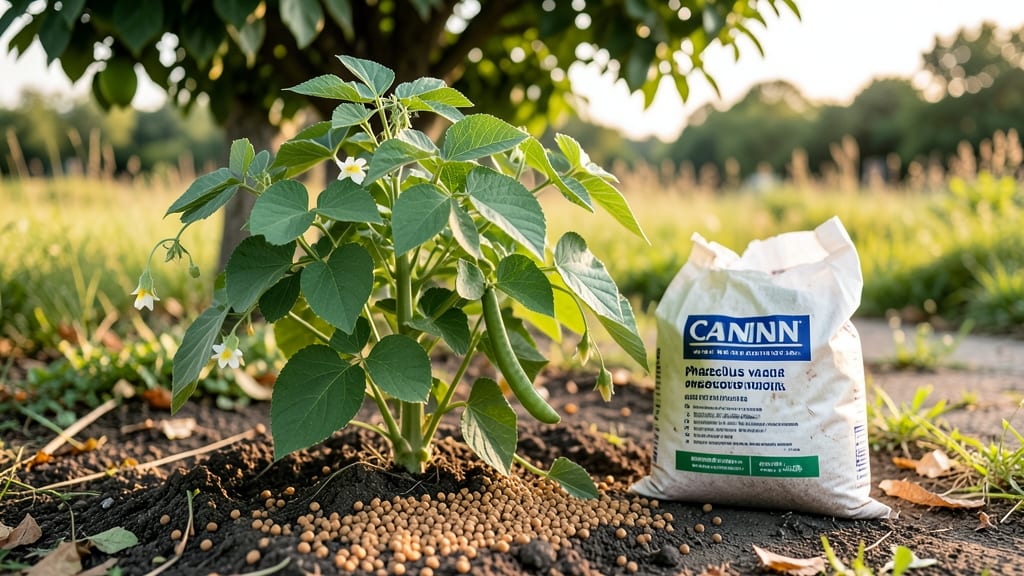
A bean plant fertilizer rich in nitrogen, phosphorus, and potassium is the secret to fast growth and a bountiful harvest 🌱 — but skip the wrong type, and you’ll end up with weak vines or no pods. at all.
Struggling to get your bean plants to thrive? The right fertilizer blend can transform weak seedlings into lush, high-yielding plants—but choosing the wrong NPK ratio might leave you with stunted growth or poor harvests.
Beans need a balanced approach, especially during their three key stages: germination, flowering, and pod development. Too much nitrogen early on? You’ll get leafy growth but no beans. Too little phosphorus at flowering? Your plants will struggle to set fruit.
In this guide, I’ll break down the best organic and synthetic fertilizers, when to apply them, and how to avoid common mistakes that sabotage your harvest—so you can grow beans that thrive from seed to table.
Optimal nitrogen-phosphorus-potassium ratios for bean plant growth stages
Beans are nitrogen-fixers, meaning they pull nitrogen from the air through root nodules—but they still need balanced NPK ratios to thrive. Each growth stage demands different nutrients. Too much nitrogen early can delay flowering, while too little phosphorus during pod development stunts yield.
Let’s break down the science-backed NPK ratios for each phase to maximize your harvest.
During germination (weeks 1-2), beans need minimal nutrients since they rely on seed reserves. A low-nitrogen blend like 3-5-5 encourages root development without overstimulating top growth. This ratio supports early root establishment while avoiding leafy but weak seedlings that can’t support later stages.
Why this works: High phosphorus (P) at this stage promotes cell division in roots, while moderate potassium (K) strengthens disease resistance. Too much nitrogen now can lead to lanky, floppy stems that snap easily in wind or rain.
| Growth Stage | NPK Ratio | Nutrient Focus | Application Timing |
|---|---|---|---|
| Germination (Weeks 1-2) | 3-5-5 | Root development, disease resistance | At planting (mixed into soil) |
| Vegetative (Weeks 3-5) | 10-5-10 | Leaf growth, stem strength | When plants are 4-6 inches tall |
| Flowering (Weeks 6-8) | 5-10-10 | Bloom production, pollination | When 50% of plants flower |
| Pod Development (Weeks 9-12) | 0-10-20 | Pod fill, yield maximization | When pods appear (every 2 weeks) |
At the vegetative stage (weeks 3-5), beans shift focus to leafy growth and stem strength. A 10-5-10 ratio provides enough nitrogen (N) for foliage while keeping phosphorus (P) and potassium (K) balanced. This prevents nitrogen burn (yellowing leaves) while ensuring sturdy stems to support future pods.
During flowering (weeks 6-8), phosphorus becomes critical. A 5-10-10 ratio boosts energy transfer for bloom production and root growth to anchor plants. Too much nitrogen here delays flowering—wait until 50% of plants show blooms before applying. Look for white or pink flowers as your cue.
For pod development (weeks 9-12), potassium takes center stage. A 0-10-20 ratio (like 0-10-10 or 0-0-20) enhances pod filling and disease resistance. Potassium helps beans transport sugars into pods, increasing yield. Avoid nitrogen now—it can cause excessive foliage at the expense of pods.
Pro tip: Test your soil first! Beans prefer slightly acidic to neutral pH (6.0-7.0). If your soil is too alkaline, phosphorus becomes unavailable, even with the right NPK ratio. Adjust with elemental sulfur or peat moss if needed.
Organic options? Use bone meal (3-15-0) for phosphorus during flowering or kelp meal (0-0-2) for potassium during pod fill. Synthetic fertilizers like 5-10-10 or 10-20-20 work well but require careful measurement to avoid salt buildup in soil.
Watch for signs of imbalance:
- Yellow lower leaves? Too much nitrogen.
- Purple stems? Phosphorus deficiency.
- Weak stems or curled leaves? Potassium deficiency.
Adjust your NPK blend based on these visual cues to keep your beans thriving.
By matching NPK ratios to growth stages, you’ll avoid wasted nutrients and double your harvest potential. Start with the right blend at planting, then fine-tune as your plants progress—your beans will thank you with plump, high-yielding pods! 🌱🌿
Organic vs synthetic fertilizers for beans: pros, cons, and best blends
Choosing the right fertilizer for your bean plants can feel overwhelming, especially when deciding between organic and synthetic options. Both have unique benefits, but the wrong choice can lead to nutrient imbalances or wasted money.
Let me break down the key differences so you can make an informed decision for your garden.
Beans are legumes, which means they naturally fix nitrogen in the soil through their roots. However, they still benefit from additional nutrients, especially during flowering and pod development.
The right fertilizer blend can boost yields by up to 30%, but the type you choose impacts soil health, cost, and ease of use.
Organic vs Synthetic Fertilizers for Beans
Organic Fertilizers
- Pros: Improves soil structure, adds organic matter, and supports long-term health.
- Cons: Slower release, requires more frequent applications, and may attract pests if not composted properly.
Best for: Sustainable gardens, long-term soil improvement, and eco-friendly growers.
Synthetic Fertilizers
- Pros: Fast-acting, precise NPK ratios, and easy to apply.
- Cons: Can burn roots if overused, depletes soil organic matter, and may require frequent reapplication.
Best for: Quick nutrient boosts, container gardens, and high-yield goals.
For organic fertilizers, compost and well-aged manure are my top recommendations. They provide a balanced mix of nutrients while improving soil texture.
For example, compost tea can be sprayed around plants to provide a gentle, nutrient-rich boost without risking root burn. Bone meal is another excellent organic option, especially during flowering, as it’s high in phosphorus to encourage strong root and pod development.
On the other hand, synthetic fertilizers like a 5-10-10 NPK blend offer precise control over nutrient ratios. These are ideal for container gardens or when you need a quick fix for nutrient deficiencies.
However, they lack the long-term benefits of organic options. I recommend using synthetic fertilizers sparingly, especially for pole beans, which require consistent nutrient availability.
Cost is another factor to consider. Organic fertilizers often have a higher upfront cost but pay off in the long run by reducing the need for future soil amendments. Synthetic fertilizers are typically cheaper but may require more frequent purchases.
For example, a 5-pound bag of compost might cost $5, while a synthetic 10-10-10 fertilizer bag could run $10 but last longer per application.
If you're growing bush beans, I suggest starting with a balanced organic blend like compost and a light application of fish emulsion during early growth.
For pole beans, a mix of compost and a low-nitrogen synthetic fertilizer (like 3-4-6) can help support their taller growth habit without overloading them with nitrogen.
Ultimately, the best choice depends on your gardening goals. If you prioritize soil health and sustainability, organic fertilizers are the way to go. If you need fast results and precise nutrient control, synthetic options can be effective when used correctly.
Always monitor your plants for signs of nutrient deficiencies or excesses, and adjust accordingly.