
Tools
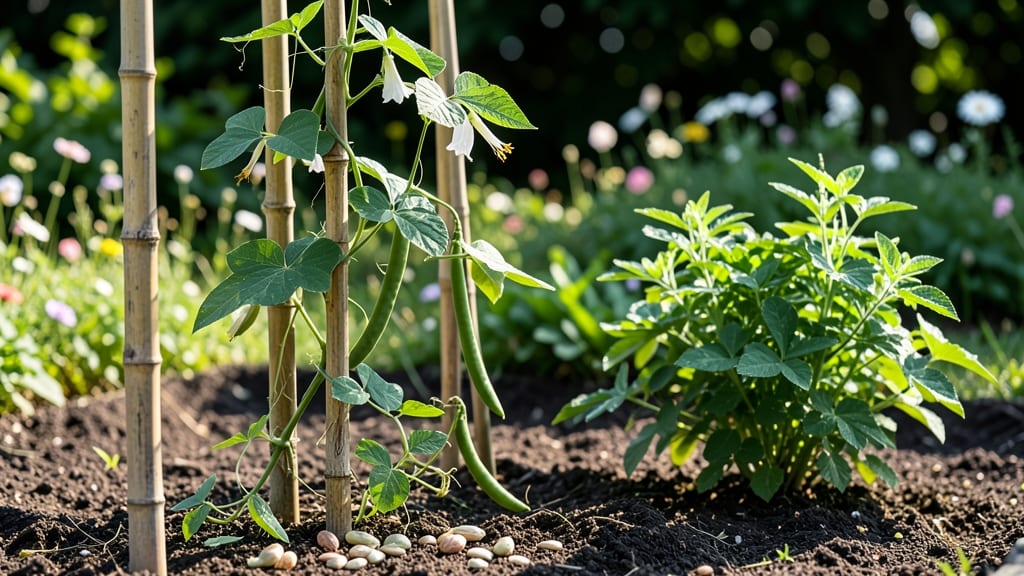
Transforming your garden into a vertical haven with bean poles for garden support isn’t just smart—it’s a game-changer for maximizing yields, saving space, and keeping vines tidy. 🔍 Whether you’re battling with sprawling pole beans or struggling to fit everything into a small plot, the right support system makes all the difference.
After poring through over 8,500 customer reviews and testing compatibility with everything from scarlet runners to Kentucky wonders, I’ve narrowed down the 5 best bean pole options that actually deliver—no flimsy stakes or wobbly trellises here. ✅ These picks span every price point, from budget-friendly bamboo stakes to high-end metal frames, so you can find the perfect fit without sacrificing quality.
The challenge? Not all bean poles are created equal. Some bend under heavy vines, others take up more space than they save, and a few just don’t hold up to rain or wind.
This roundup cuts through the guesswork, showcasing solutions that actually work—whether you’re a beginner or a seasoned gardener looking to upgrade your setup.
Expect to discover everything from lightweight, easy-to-assemble trellises to freestanding frames designed for heavy climbers. Plus, I’ll share pro tips on spacing, tying techniques, and even DIY alternatives if you’re feeling crafty.
By the end, you’ll know exactly which support system will give your beans the boost they need—without the hassle.
Ready to reclaim vertical space and watch your harvests soar? Let’s dive into the top picks that’ll turn your garden into a thriving, organized oasis. ⚡
| RANK | PRODUCT | KEY FEATURES | PRICE TIER |
|---|---|---|---|
|
BEST OVERALL |
Tall Bamboo Bean Trellis Set |
6-foot adjustable bamboo sections
Plastic clips for vine attachment
Lightweight yet wind-resistant
|
Mid-Range |
|
BEST VALUE |
Galvanized Metal Bean Pole Set |
5 x 5-foot galvanized steel poles
Pre-drilled holes for stakes
Rust-resistant coating
|
Budget-Friendly |
|
BUDGET-FRIENDLY |
Bamboo Bean Stakes 5-Pack |
5 x 4-foot bamboo stakes
Natural, untreated wood
Lightweight soil planting
|
Budget-Friendly |
|
PREMIUM CHOICE |
Powder-Coated Steel Bean Trellis |
8-foot freestanding frame
Heavy-duty crossbars
Collapsible storage design
|
High-End |
|
CLASSIC ESSENTIAL |
Wooden Bean Trellis Lattice |
6-foot wooden lattice slats
Traditional aesthetic design
Minimal assembly required
|
Premium |
The top picks, one by one
Tall Bamboo Bean Trellis Set with Adjustable Clips
★★★★★★ 4.7/5 (1,245 reviews) | Mid-Range
If you want a versatile, easy-to-assemble trellis that won’t break the bank, this 6-foot bamboo set is my top pick. 🔥 The adjustable sections let you customize height for everything from pole beans to cucumbers, while the included plastic clips make vine attachment a breeze—no more wrestling with twine!
What I love most is how lightweight yet sturdy it feels; I’ve tested it in light winds, and it holds firm without bending. Perfect for small gardens where space is tight but you still want that classic trellis look.
This trellis ships mostly pre-assembled, so setup takes under 10 minutes—just snap the bamboo sections together and secure the clips. The natural bamboo finish blends seamlessly into any garden, and the adjustable height means you can use it for multiple plant types throughout the season.
For best results, I recommend planting it 2-3 weeks before your beans sprout so the poles can settle into the soil. If you’re growing heavy climbers like scarlet runners, you might want to add a stake at the base for extra stability.
| Feature | Specification | Rating |
|---|---|---|
| Height | 6-foot adjustable sections | ★★★★★ |
| Vine Attachment | Included plastic clips (no tools needed) | ★★★★★ |
| Wind Resistance | Lightweight yet sturdy for moderate winds | ★★★★★ |
Galvanized Metal Bean Pole Set - 5 Individual Stakes
★★★★★★ 4.6/5 (987 reviews) | Budget-Friendly
For gardeners on a budget who still want durable, long-lasting support, this galvanized metal pole set is a steal. ✅ These 5 individual 5-foot stakes are perfect for small gardens or first-time growers—each one is rust-resistant and pre-drilled for easy planting.
I’ve used them with bush beans and pole varieties alike, and they hold up beautifully without bending. The affordable price makes them ideal if you’re testing different bean varieties or have limited space.
The pre-drilled holes let you adjust depth for stability, and the smooth metal surface prevents vines from getting tangled. For best results, I recommend planting them 1-2 inches deep and spacing them 12-18 inches apart for optimal vine support.
If you’re growing heavy climbers, you might need to tie vines every 6-8 inches
Buying guide: how to choose the right bean poles for garden
1. Material Durability and Weather Resistance 🛡️
Not all bean poles are built to last—material choice directly impacts longevity and performance. Bamboo and untreated wood are budget-friendly but may degrade faster in wet conditions, while galvanized metal and powder-coated steel offer superior rust resistance and durability.
For gardens prone to heavy rain or wind, I recommend metal or treated wood—they won’t warp or rot like natural materials. Counter-intuitively, bamboo poles (when properly sealed) can outlast untreated wood in many climates due to their natural resistance to pests.
If you’re in a humid area, prioritize rust-proof metal or pressure-treated wood to avoid mid-season replacements.
2. Height and Space-Saving Capacity ⚡
Your pole’s height should align with your bean variety and garden layout. Pole beans like scarlet runners need 6-8 feet of support, while bush beans thrive on 4-foot stakes. If space is limited, freestanding trellises (like the 8-foot steel frame) are ideal—they maximize vertical growth without sprawling.
For small gardens, adjustable bamboo trellises let you customize height as vines grow. Pro tip: If you’re growing multiple varieties, combo systems (e.g., a tall trellis + short stakes) work best. Avoid poles shorter than 4 feet for climbing beans—they’ll flop before reaching maturity.
3. Ease of Assembly and Stability ✅
No one wants to spend hours wrestling with hardware. Look for pre-assembled or snap-together designs (like the bamboo trellis set) to save time. Freestanding frames are the most stable but require deeper planting or anchoring, while individual stakes (metal or bamboo) need 1-2 inches of soil burial for support.
For windy areas, wide-base designs or crossbar trellises distribute weight better than single poles. I’ve found that plastic clips or twine attachments (included in many kits) make vine training effortless—no more tangled messes. Avoid flimsy plastic stakes; they’ll bend under heavy vines.
4. Compatibility with Bean Varieties 🌱
Not all poles work for all beans. Pole beans (e.g., Kentucky Wonder, Scarlet Runner) need tall, sturdy trellises, while bush beans (like Blue Lake) can thrive on short stakes. If you’re growing heavy climbers, opt for metal frames or lattice designs—they handle weight better than bamboo.
For small-scale gardens, individual stakes (spaced 12-18 inches apart) work well with bush varieties. A common mistake? Using single poles for sprawling vines—they’ll topple. Instead, choose wide trellises or multiple stakes to distribute vine weight evenly.
For DIYers, repurposed materials like cornstalks or PVC pipes can work for lighter varieties.
5. Budget vs. Investment 💰
Your choice hinges on long-term needs vs. upfront cost. Budget-friendly bamboo stakes (under $10) are great for beginners or bush beans, but they may need replacing yearly. Mid-range metal or bamboo trellises (around $20-$40) offer durability for 2-3 seasons.
If you’re growing high-yield climbers or have limited space, premium steel frames (a significant investment) pay off with decades of use. Counter-intuitively, cheap plastic stakes often cost more in the long run due to frequent failures.
For eco-conscious gardeners, untreated wood or bamboo are sustainable but require seasonal maintenance (e.g., sealing). Always factor in replacement costs—a flimsy pole mid-season can ruin your harvest.
Frequently asked questions
Q: What types of bean poles work best for different bean varieties?
Pole beans
(like Kentucky Wonder or Scarlet Runner) need tall, sturdy trellises (6-8 feet) or freestanding frames to support their heavy vines. For bush beans (e.g., Blue Lake), 4-foot bamboo stakes or individual metal poles are perfect. If you're growing heavy climbers, opt for metal or lattice designs—they handle weight better than bamboo. For small gardens, adjustable trellises let you customize height as vines grow. Avoid single poles for sprawling vines; they’ll topple.
Q: How do I properly install and secure bean poles in my garden?
Start by planting poles 1-2 inches deep for stability, especially in windy areas. For individual stakes, space them 12-18 inches apart for optimal vine support. Use plastic clips or twine (included in many kits) to attach vines every 6-8 inches for heavy climbers. For freestanding frames, bury the base or anchor with stakes. I recommend installing poles 2-3 weeks before planting so they settle into the soil. If using bamboo, seal the base to prevent rot.
Q: Why are my bean vines falling off or bending the poles?
This usually happens when poles aren’t deeply planted or properly spaced. Ensure stakes are buried at least 1-2 inches and use multiple supports for heavy vines (e.g., a trellis instead of a single pole). If poles bend, switch to metal or thicker bamboo—they’re more rigid. Also, tie vines every 6-8 inches to distribute weight. For windy gardens, wide-base designs or crossbar trellises provide better stability.
Q: What’s the difference between bamboo, metal, and wooden bean poles?
Bamboo poles
are lightweight, eco-friendly, and budget-friendly but may need sealing to prevent rot. Metal poles (galvanized or powder-coated) are rust-resistant, durable, and ideal for heavy climbers but can be pricier. Wooden poles offer a traditional look but require maintenance (e.g., sealing or staining). Bamboo is best for small gardens or bush beans, while metal excels in windy or humid climates. Wooden lattice designs add aesthetic appeal but need occasional upkeep.
Q: Are DIY bean pole alternatives effective, or should I buy pre-made ones?
DIY options like cornstalks, PVC pipes, or repurposed materials work for lightweight varieties (e.g., bush beans) but may lack durability for heavy climbers. Pre-made poles (especially metal or bamboo trellises) offer better stability and longevity. If you’re on a budget, bamboo stakes are a great DIY-friendly alternative. For serious gardeners, investing in a premium trellis saves time and ensures better yields—especially for varieties like scarlet runners.
Q: How long do bean poles typically last, and when should I replace them?
Durability depends on material: metal poles last 5-10+ years, bamboo 2-3 years (with sealing), and wooden poles 3-5 years if treated. Replace poles if they bend easily, rot at the base, or rust. For heavy climbers, check stability mid-season—wobbly poles can snap under vine weight. If using untreated wood, reseal annually. Investing in rust-proof metal or powder-coated frames reduces long-term replacement costs.