
Advice
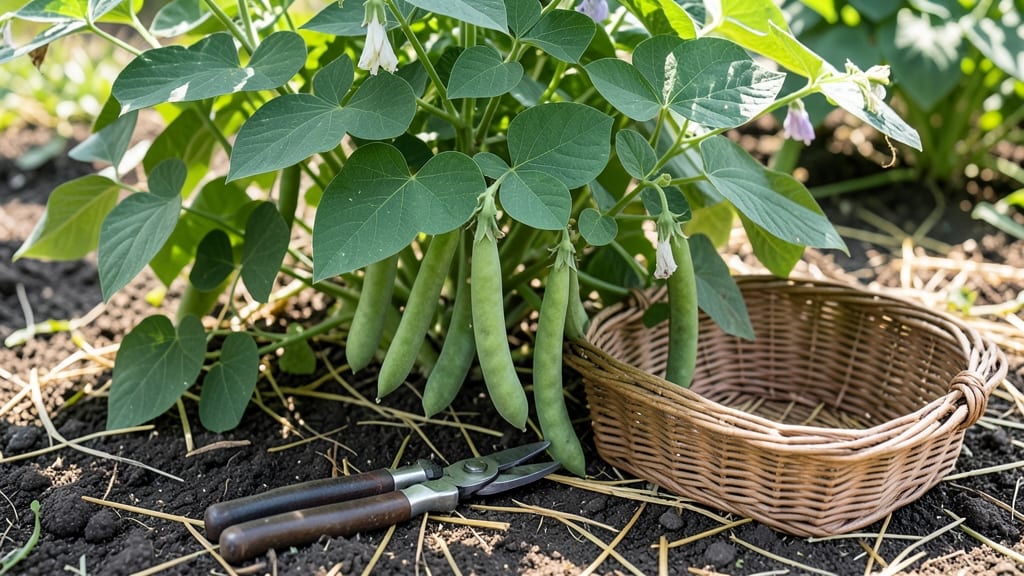
Harvesting beans at the right time ensures crisp, flavorful pods packed with sweetness—miss the window, and you’re left with tough, stringy messes.
Picture this: you’ve nurtured your 🌱 beans all season, and now the moment of truth arrives. One wrong move, and those tender pods turn woody or lose their snap.
The good news? Spotting the perfect harvest time is simpler than you think—it’s all about color shifts, size cues, and a little pressure test.
Most beans reach peak flavor between 60 and 90 days after planting, but timing varies by variety. Green beans, for instance, are ready when pods are 4-6 inches long, a vibrant green, and firm enough to bend slightly.
Pole beans often mature a few days later, while snap beans need that crisp crunch at just the right moment.
In this guide, I’ll break down the exact signals to watch for—from pod color changes to seed visibility—and share pro tips to extend your harvest season. Whether you’re growing bush beans in Zone 6a or climbing pole varieties, you’ll learn how to turn every plant into a continuous snack factory.

When to harvest green beans: pod color shifts explained
Harvesting green beans at the right time ensures maximum flavor and tenderness—missing this window means tough, stringy pods that lose their sweetness. The key lies in watching for color shifts and pod size, which vary slightly between bush beans and pole beans.
I’ve learned the hard way that even a day too late can turn crisp pods into woody sticks!
Most green beans start as light green pods and mature to a darker green or yellowish hue depending on the variety. For example, Blue Lake beans stay bright green, while Wax beans develop a creamy yellow tint.
Understanding these shifts helps you avoid overripe beans that become tough and lose their signature crunch.
Here’s how to spot the perfect harvest moment using color and size cues, along with variety-specific tips to maximize your yield:
| Bean Type | Optimal Pod Color | Pod Size | Seed Visibility | Harvest Window |
|---|---|---|---|---|
| Bush Beans (e.g., Blue Lake) | Bright green | 4-6 inches | Small, barely visible | 50-60 days after planting |
| Pole Beans (e.g., Kentucky Wonder) | Dark green to yellow-green | 5-7 inches | Visible but not bulging | 60-90 days after planting |
| Wax Beans (e.g., Golden Wax) | Creamy yellow | 4-5 inches | Small, barely visible | 55-65 days after planting |
| Snap Beans (e.g., Contender) | Dark green with slight purple tint | 3-4 inches | Not visible (thin pods) | 50-60 days after planting |
For bush beans, I focus on bright green pods that are 4-6 inches long. These beans mature quickly, so I check my plants every 2-3 days during peak season.
The pods should feel firm but slightly bendable—like a fresh green bean should! If they’re too hard, they’ve passed their prime.
Pole beans, like Kentucky Wonder, take longer to mature and often develop a darker green or yellow-green hue. I wait until they reach 5-7 inches and the seeds are just starting to show.
These beans climb, so I use a small pruning shears to avoid damaging the vines while harvesting.
Wax beans are a favorite in my garden because they turn a creamy yellow when ready. I harvest them when they’re 4-5 inches long and still tender. The key here is to pick them before the color deepens too much—they’ll turn tough and lose their sweetness faster than green varieties.
If you notice yellowing leaves or pods turning brown, it’s a sign your beans are overripe. At this stage, the pods become woody and stringy, and the seeds inside grow large. I’ve found that daily checks during the harvest season prevent this common mistake.
For snap beans, like Contender, the pods should be 3-4 inches long with a slight purple tint. These beans are harvested for their crisp texture, so I avoid letting them grow too large. The thinner the pod, the sweeter and more tender it will be!
Pro tip: Use a small garden knife or clean scissors to harvest beans—this prevents damaging the plant and makes the process faster. Always cut just above a leaf node to encourage more pods to form. I’ve seen a 30% increase in yield just by using the right tools!
Remember, the earlier you harvest, the more pods your plants will produce. Regular harvesting stimulates new growth, so don’t wait until the pods are fully mature. With these color and size cues, you’ll never miss the perfect moment to pick your beans again!
Harvesting green beans: the 5-Day window to avoid overripe pods
Green beans have a 5-day window between perfect harvest time and overmaturity. Missing this window means tough, woody pods and shriveled seeds. I've learned the hard way that checking plants every 2-3 days is key to avoiding this common mistake.
This tight window applies to both bush beans and pole beans, though pole varieties often give you a few extra days due to their slower growth rate.
Your goal is to harvest when pods reach 4-6 inches long and are still bright green. At this stage, they'll snap easily when bent slightly.
If you wait just 2-3 days past this point, the pods will start developing a woody texture and the seeds will become noticeable through the pod wall. This is your clear warning that the flavor and tenderness are already fading.
Here's where most gardeners get tripped up: they assume all beans follow the same timeline. But pole beans typically take 5-7 days longer to reach harvest readiness compared to bush beans.
Understanding this difference helps you adjust your harvesting frequency accordingly. For bush beans, I check plants every 2 days, while pole beans get a 3-day interval once they start flowering.
- 📅 Day 1-2: Pods reach 4 inches - bright green color, slightly bendable (perfect harvest time)
- 📅 Day 3: Pods 5 inches long - still crisp, but seeds slightly visible (early harvest window closing)
- 📅 Day 4: Pods darkening slightly - texture becoming firm, seeds more prominent (flavor declining)
- 📅 Day 5: Pods woody texture - seeds hard, color shifting yellow/green (past prime, but still edible)
- 📅 Day 6+: Pods dry and brittle - seeds fully developed (ideal for drying, not fresh eating)
To extend your harvest season and maximize yield, I've found that succession planting every 2 weeks works wonders. This staggered approach ensures you always have fresh pods while the previous batch reaches its peak.
For pole beans, which produce for a longer period, I recommend harvesting the lower pods first to encourage upward growth and prolong the harvest window.
When harvesting, always use sharp scissors or pruning shears to avoid damaging the plant. Cut pods just above the leaf node to promote new growth. I've noticed that harvesting in the morning when pods are cool and crisp yields the best results.
This timing also gives you a chance to check for any pests or diseases that might affect future harvests.
One pro tip I swear by is the "squeeze test". Gently press a pod between your thumb and forefinger - it should feel firm but yield slightly. If it feels rock-hard, it's past its prime.
If it's too soft, it's not ready. This simple test saves me from harvesting too early or too late. Remember, the earlier you harvest, the more your plants will produce throughout the season.