
Companion Plants
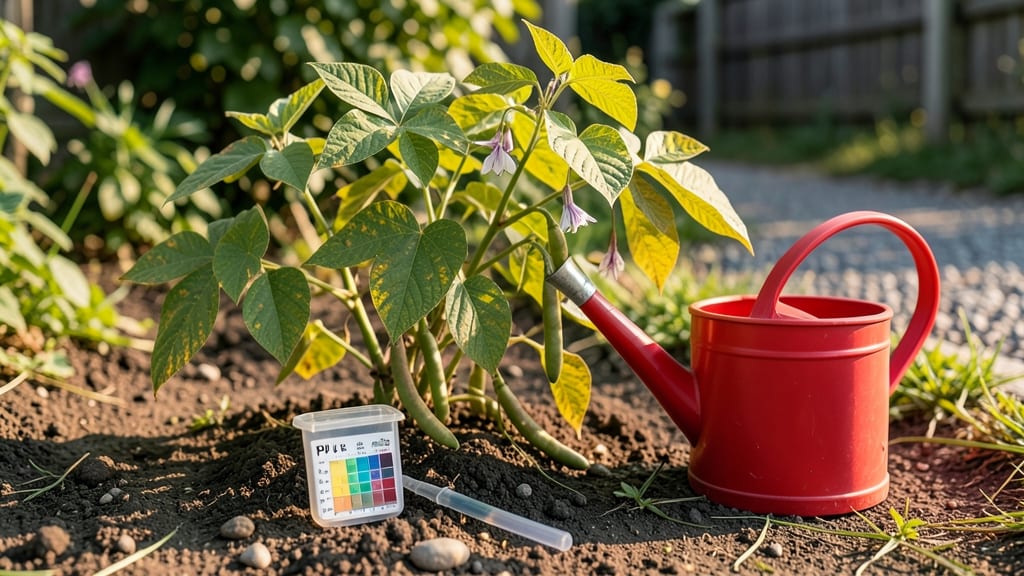
Your beans' leaves turning yellow isn't a death sentence—it's a signal your plants need help. 🌱 I've seen this happen with overwatering, nutrient deficiencies, and even hidden pests, and every case has a simple fix once you know what to look for.
First, check the soil moisture and texture: soggy soil means root rot, while dry, crumbly soil means thirst. Yellowing often starts between the veins when it's iron deficiency or overwatering, but crispy edges point to underwatering or too much salt.
The key is matching symptoms to the real cause. Within a week of adjusting watering or adding a balanced fertilizer, you'll see fresh green leaves pushing out. My bush beans bounce back faster than I expected—once you rule out pests and diseases, it's usually just a quick fix.
This works for pole beans, lima beans, and even your favorite heirloom varieties. Let's get those plants back to their vibrant best!
Root Causes Behind Yellowing Leaves
When your bean plant’s leaves start turning yellow, it’s often a cry for help—your plant is trying to tell you something’s off. Understanding the why behind the discoloration is the first step to reviving your greenery.
Below, we break down the most common culprits, from overwatering to nutrient deficiencies, with clear explanations and actionable insights.
Beans thrive in well-draining soil, and when their roots sit in soggy conditions, they struggle to absorb oxygen. Yellowing leaves—especially on older foliage—are a classic sign of root rot, a fungal infection that thrives in waterlogged soil.
- How it happens: Overwatering, compacted soil, or containers without drainage holes trap excess moisture, suffocating roots.
- Key clues:
- Yellowing starts at the base of the plant and spreads upward.
- Leaves may feel mushy or drop easily.
- Soil smells sour or damp even days after watering.
- Fix it:
- Let the top 1–2 inches of soil dry out before watering again.
- Repot in fresh, lightweight potting mix (add perlite or sand for drainage).
- Ensure containers have drainage holes and elevate pots to prevent water pooling.
While beans love sunlight, intense heat or direct midday sun can scorch leaves, causing them to yellow and crisp at the edges. This is common in hot climates or when plants are suddenly moved to sunnier spots.
- How it happens: High temperatures (>90°F/32°C) or UV exposure damages leaf cells, disrupting chlorophyll production.
- Key clues:
- Yellowing or brown patches on leaves facing the sun.
- Leaves may feel dry or papery to the touch.
- New growth appears stunted or bleached.
- Fix it:
- Provide afternoon shade (use shade cloth or move plants to partial sun).
- Water deeply in the morning to cool roots.
- Avoid transplanting beans during peak heat—wait for cooler temps (ideal: 70–80°F/21–27°C).
Yellow leaves can signal a nutrient imbalance, particularly if they appear uniformly pale or yellow between veins. Beans are heavy feeders, and deficiencies often strike when soil lacks essential minerals.
| Deficiency | Yellowing Pattern | Cause | Solution |
|---|---|---|---|
| Nitrogen (N) | Older leaves turn yellow first, then brown (like "burning" from the bottom up). | Poor soil, overwatering leaching nutrients, or lack of organic matter. | Add compost or balanced fertilizer (e.g., 10-10-10) every 4–6 weeks. |
| Magnesium (Mg) | Yellowing between veins (interveinal chlorosis), starting on older leaves. | Alkaline soil (pH >7.0) or poor calcium/magnesium balance. | Apply Epsom salt (1 tbsp/gallon of water) every 2 weeks or use dolomitic lime. |
| Iron (Fe) | Young leaves turn yellowish-white (chlorosis) while veins stay green. | Alkaline soil or "iron lockout" (unavailable iron despite presence). | Use chelated iron or acidify soil with vinegar (1 tbsp/gallon) or sulfur. |
💡 Pro Tip: Test your soil’s pH (ideal for beans: 6.0–7.0). If it’s too high, amend with peat moss or sulfur to improve nutrient uptake.
Yellowing leaves can also be a silent warning of pests or pathogens draining your plant’s vitality. Common culprits include aphids, spider mites, and fungal infections like rust or powdery mildew.
- How it happens:
- Pests (e.g., aphids, thrips) suck sap, causing leaves to yellow, curl, or develop sticky residue.
- Fungal diseases (e.g., rust) create orange pustules on undersides of leaves, leading to yellowing and leaf drop.
- Key clues:
- Tiny bugs or webs on leaves/stems.
- Yellow spots with dark borders (fungal infections).
- Leaves crisp or fall off prematurely.
- Fix it:
- Pests: Spray with neem oil or insecticidal soap. Introduce ladybugs or lacewings as natural predators.
- Fungal diseases: Remove infected leaves, improve air circulation, and apply copper fungicide.
If your bean plant’s leaves yellowed suddenly after repotting or disturbance, the issue may be root trauma. Beans have delicate root systems, and rough handling can disrupt nutrient/water uptake.
- How it happens: Damaged roots can’t absorb water or nutrients efficiently, causing leaves to yellow within days.
- Key clues:
- Yellowing across the entire plant, not just older leaves.
- Wilting despite consistent watering.
- Slow recovery even after adjusting care.
- Fix it:
- Gently prune damaged roots (if repotting) and
Fix Yellowing Bean Leaves Fast
Now that you’ve identified the root cause of your bean plant’s yellowing leaves, it’s time to take action! Below are practical, step-by-step solutions tailored to each common issue—plus prevention tips to keep your beans thriving. 🌱✨
---
Signs: Yellowing leaves (especially lower ones), soggy soil, wilting despite water.
How to Fix: 💧 Step 1: Let the Soil Dry Out - Stop watering immediately and allow the top 1–2 inches of soil to dry completely before watering again. Stick your finger in the soil—if it’s damp past your first knuckle, wait.
🔄 Step 2: Improve Drainage - If your pot lacks drainage holes, transfer your plant to a container with holes or add a layer of gravel/perlite at the bottom. - For garden beds, raise the planting area slightly or mix in compost or sand to loosen soil.
🌡️ Step 3: Adjust Watering Habits - Water deeply but infrequently—beans prefer 1–1.5 inches of water per week (including rainfall). Use a watering can with a narrow spout to avoid soggy spots.
Prevention Tips: ✅ Use well-draining soil mixes (avoid heavy clay). ✅ Water in the morning so excess moisture evaporates. ✅ Mulch around plants (2–3 inches of straw or wood chips) to regulate moisture.
---
Signs: Yellowing edges, crispy leaves, wilting in afternoon heat.
How to Fix: 🌿 Step 1: Provide Partial Shade - Move potted beans to a spot with 4–6 hours of morning sun and afternoon shade (use a sheer curtain or shade cloth if needed). - For garden beans, plant near taller crops (like corn or sunflowers) for natural shade.
💦 Step 2: Boost Hydration - Water more frequently during heatwaves (check soil daily). Use mulch to retain moisture.
🌡️ Step 3: Cool Down the Roots - Place a damp towel over the soil temporarily to reduce heat stress (remove after a few hours). - Avoid planting beans in full sun during peak summer months in hot climates.
Prevention Tips: ✅ Choose heat-tolerant varieties (e.g., ‘Black Valentine’ or ‘Scarlet Runner’). ✅ Use reflective mulch (white gravel or aluminum foil) to deflect heat. ✅ Harvest frequently to encourage new, heat-resistant growth.
---
Signs: Pale yellow leaves (chlorosis), stunted growth, weak stems.
How to Fix: 🌱 Step 1: Test Your Soil - Grab a DIY soil test kit (or send a sample to your local extension office) to check pH and nutrient levels. Beans thrive in slightly acidic to neutral soil (6.0–7.0 pH).
💪 Step 2: Add the Right Fertilizer - **For nitrogen deficiency (yellow all leaves): - Mix 1 tbsp of blood meal or fish emulsion into the soil and water lightly. - Avoid overdoing it—too much nitrogen = more leaves, fewer beans! - For magnesium/iron deficiency (yellow between veins): - Sprinkle Epsom salt (1 tbsp per gallon of water) or iron chelate around the base. - Compost or worm castings can also help long-term.
🌿 Step 3: Improve Soil Health - Plant nitrogen-fixing cover crops (like clover) in the off-season to replenish soil. - Avoid fresh manure (can burn roots)—use aged compost instead.
Prevention Tips: ✅ Rotate crops—don’t plant beans in the same spot yearly. ✅ Mulch with compost to slowly release nutrients. ✅ Use organic fertilizers (like bone meal for phosphorus) to support flowering.
---
Signs: Yellowing + holes, chewed leaves, moldy spots, or sticky residue.
How to Fix: 🐜 Step 1: Identify the Culprit - Aphids/Spider Mites: Tiny bugs, webbing, or sticky honeydew. - Japanese Beetles: Skeletonized leaves (chewed frames). - Fungal Issues (e.g., rust): Orange spots on leaves.
🔪 Step 2: Remove Infestations - Handpick pests (drop beetles into soapy water). - Spray with neem oil (1 tsp neem oil + 1 tsp mild soap per quart of water) every 3–4 days. - Use row covers to block pests before they strike.
🌡️ Step 3: Boost Plant Immunity - Water at the base (not overhead) to prevent fungal spores. - Prune infected leaves and dispose of them in the trash (not compost). - Encourage beneficial insects (ladybugs, lacewings) by planting marigolds or dill nearby.
Prevention Tips: ✅ Inspect plants weekly—catch problems early! ✅ Rotate plant locations yearly to disrupt pest cycles. ✅ Avoid overhead irrigation to keep leaves dry.
--- - Trim damaged leaves with clean scissors to redirect energy to healthy growth. - Fertilize lightly with a balanced organic fertilizer (5-5-5) if leaves look weak. - Transplant if needed—if roots are rotting, repot into fresh, sterile soil.
--- Pro Tip:** 💡 Yellowing leaves can sometimes be a sign of natural aging (older leaves yellow as new growth takes over). If only a few lower leaves are yellow and the plant looks healthy otherwise, it’s likely just part of the life cycle!
Frequently asked questions
Why do my bean plant leaves turn yellow first on the older ones?
This is often a sign of nitrogen deficiency or natural leaf aging. Beans prioritize nutrient flow to new growth, so older leaves yellow first when nitrogen is low. Check if your soil feels dry or lacks organic matter—adding compost or a balanced fertilizer can help. If only a few lower leaves yellow while new growth stays green, it's likely just the plant's natural process!
Can I save my beans if the yellowing is from overwatering?
Yes! Stop watering immediately and let the top 1-2 inches of soil dry completely before watering again. Repot in fresh, well-draining soil with perlite if needed. You should see improvement within 3-5 days as roots recover. For container plants, ensure pots have drainage holes to prevent future issues.
What's the difference between yellow leaves from pests vs. nutrient issues?
Pest-related yellowing often comes with visible damage: tiny bugs, chewed edges, or sticky residue (honeydew). Nutrient deficiencies cause uniform yellowing—between veins for magnesium/iron or all-over for nitrogen. Check leaves carefully: pests leave physical signs while deficiencies create color patterns. Neem oil helps pests, while Epsom salt or compost fixes nutrient problems.
How often should I fertilize beans to prevent yellowing?
Beans need light feeding: apply a balanced organic fertilizer (like 5-5-5) every 4-6 weeks during growing season. Too much nitrogen causes leafy growth but fewer beans! For soil deficiencies, use targeted amendments: Epsom salt for magnesium (yellow between veins) or chelated iron for chlorosis. Always water after fertilizing to prevent root burn.
Will yellow leaves affect my bean harvest?
Mild yellowing from natural aging rarely impacts harvests, but severe cases (from pests, disease, or extreme deficiencies) can reduce yield. Focus on fixing the root cause quickly—healthy plants produce more pods! If leaves are mostly yellow but stems stay strong, your beans should still thrive. Just monitor for signs of stress that might affect flowering or pod development.