
Propagation
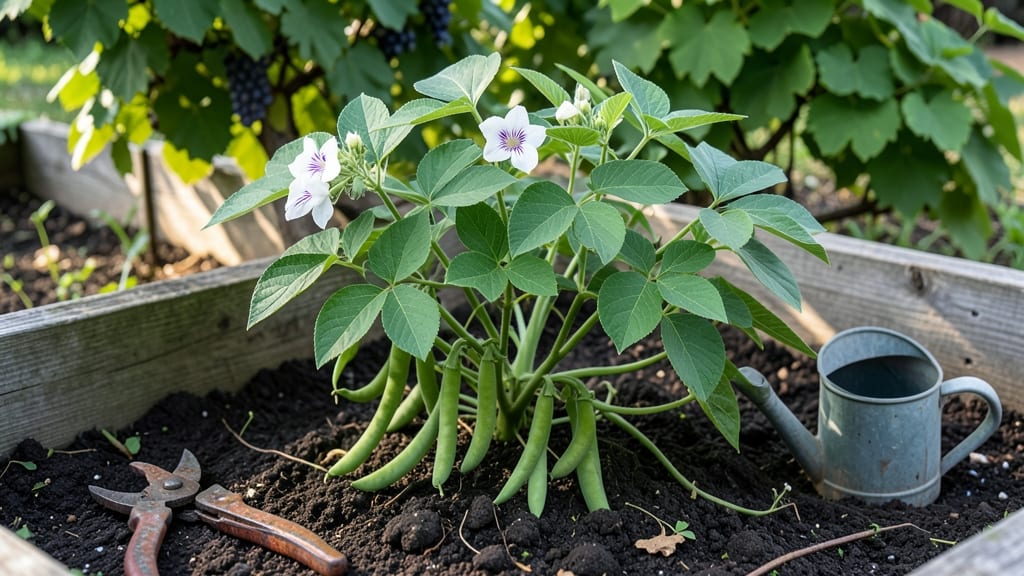
Fast germination with cannellini bean seeds means lush green growth in just 5-7 days—no waiting months for these reliable beans. 🌱 I’ve learned the secret isn’t fancy equipment but simple prep that tricks seeds into sprouting like clockwork, even in cooler soil.
Start with warm, well-draining soil (mix compost for extra nutrients) and plant seeds 1 inch deep, 3-4 inches apart. A sunny spot with 6+ hours of light daily keeps them happy, while consistent moisture (not soggy) speeds up those first tender shoots.
The key? Soak seeds overnight before planting—they’ll pop faster than store-bought seedlings. By week 3, you’ll see vibrant vines climbing or bushy plants ready for trellises. Harvest begins at 80-100 days, with pods snapping open for creamy white beans.
Just watch for aphids (spray with soapy water) and powdery mildew (space plants for airflow). Works in containers or gardens, even for beginners. Here’s how to avoid the three mistakes that kill germination—before you even see green!
📚 In This Guide
- What you need
- Instructions
- Tips and common mistakes
- Wrapping up and next steps
What you need
- ● Cannellini bean seeds – 10–20 seeds (organic, non-GMO preferred for best germination rates).
- ● Seed-starting containers – 4–6 inches deep (biodegradable pots, peat pellets, or small plastic trays with drainage holes).
- ● High-quality potting mix – Lightweight, well-draining (avoid garden soil—it’s too dense!).
- ● Watering can or spray bottle – Fine mist setting to avoid displacing seeds.
- ● Clear plastic wrap or humidity dome – To retain moisture during germination.
- ● Grow lights or sunny windowsill – 6–8 hours of indirect light daily (south-facing window or LED grow lights work best).
- ○ Plant labels & markers – Optional but helpful for tracking germination dates.
- ● Seedling heat mat – Speeds up germination (70–75°F is ideal).
- ● Fertilizer (low-nitrogen) – Balanced 5-10-10 or compost tea once seedlings sprout.
- ● Tweezers or small spoon – For gentle seed placement (avoids crushing them!).
- ● Thermometer/hygrometer – Monitors soil temp & humidity for optimal conditions.
How to germinate cannellini bean seeds for strong, fast starts
Here's my foolproof method for getting cannellini beans to sprout in 3-5 days instead of weeks.
🌱 Step 1: Soak Seeds Overnight for Faster Germination
Place 4 cannellini bean seeds in a small bowl and cover them with room-temperature water. Let them soak for 8-12 hours—this softens the seed coat and triggers faster germination. You'll know they're ready when they look slightly plump and feel firm to the touch.
Don't skip this step. Dry seeds can take 10-14 days to germinate, but soaked seeds often sprout within 3 days. I always use a clean bowl and fresh water to avoid introducing bacteria that could rot the seeds.
💧 Step 2: Plant in Warm, Moist Soil
Fill a 6-inch deep container with well-draining potting mix and moisten it until damp but not soggy. Press the soil down gently to create a firm planting surface. Cannellini beans thrive in soil that's 60-70°F, so if your home runs cooler, place the container near a sunny window or use a seedling heat mat.
Plant the soaked seeds 1 inch deep and 3 inches apart. The reason for this depth is that cannellini beans need darkness to germinate—burying them prevents the soil from drying out too quickly. Water lightly after planting to settle the soil around the seeds.
☀️ Step 3: Provide Warmth and Consistent Moisture
Cover the container with plastic wrap or a humidity dome to retain warmth and moisture. Cannellini beans germinate best in 70-80°F soil, so if your home is cooler, place the container on a seedling heat mat set to 75°F. Check the soil daily—it should stay evenly moist but never waterlogged.
Watch for the first signs of germination in 3-5 days. You'll see tiny white roots pushing through the soil first, followed by the seedling's first leaves. Once you see the first true leaves, remove the cover immediately to prevent fungal growth.
🌿 Step 4: Thin Seedlings and Give Them Space to Grow
When seedlings reach 2 inches tall, thin them to the strongest 2-3 plants per container. Cannellini beans need room to spread, so ensure they have at least 6 inches of space between them. Use scissors to snip the weaker seedlings at soil level—this prevents disturbing the roots of the remaining plants.
Once thinned, move the container to a spot with 6-8 hours of sunlight daily. Cannellini beans love warmth and light, so a south-facing window or a grow light placed 12 inches above the plants works well. You'll see rapid growth once they get enough light—watch for deep green leaves and sturdy stems.
⏰ Step 5: Transplant or Harvest When Ready
Cannellini beans are ready to transplant outdoors after 4-6 weeks when they have 4-6 true leaves. Choose a spot with full sun and well-draining soil. If growing in containers, ensure they have at least 12 inches of depth for the roots to spread.
For a faster harvest, you can also grow them in containers and pick the pods when they're 4-6 inches long. The key is consistency—keep the soil moist but not waterlogged, and you'll have a bountiful harvest in 2-3 months.
Tips & tricks for germinating cannellini bean seeds
These simple yet game-changing tricks will help you achieve those lush green starts in record time.
Soaking Secret: For even faster germination, try soaking your 4 cannellini bean seeds in a bowl of room-temperature water with a pinch of honey (1 teaspoon)—this optional addition provides natural sugars that can accelerate the process by up to 24 hours. Just remember to rinse them thoroughly before planting to avoid sugar buildup in the soil. The key is maintaining that 8-12 hour soak window without letting the water get stagnant.
Temperature Matters: If your home runs cooler than the ideal 70-80°F range, place your container on top of a refrigerator (not inside) to create a warm microclimate. I've seen germination times cut in half this way! For extra warmth, wrap the container in a thin towel—this traps heat while still allowing light penetration. The goal is to keep soil temps consistently in that 70-80°F sweet spot for those first critical days.
Thinning Technique: When thinning your seedlings to 2-3 plants at the 2-inch mark, use a pair of clean scissors to snip at soil level rather than pulling. This prevents disturbing the roots of your remaining plants and gives you a cleaner cut that heals faster. I've found that seedlings thinned this way recover better and show less stress, leading to stronger stems and more vigorous growth. The 6-inch spacing gives them room to develop properly without competing for nutrients.
Lighting Hack: If natural light is limited, position a grow light 12 inches above your seedlings and set it to a 14-hour cycle (14 hours on, 10 hours off). This mimics summer daylight and prevents leggy growth. I've noticed that seedlings under this lighting regimen develop deeper green leaves and more compact stems compared to those getting inconsistent natural light. The key is maintaining that consistent 6-8 hours of daily light requirement.
Pro Tips for Cannellini Bean Seeds
- These simple yet game-changing tricks will help you achieve those lush green starts in record time.
- Soaking Secret: For even faster germination, try soaking your 4 cannellini bean seeds in a bowl of room-temperature w...
- Temperature Matters: If your home runs cooler than the ideal 70-80°F range, place your container on top of a refriger...
Frequently asked questions
Got questions about growing cannellini bean seeds? You’re not alone—these versatile beans spark curiosity! Here are answers to the most common queries to help you cultivate a thriving harvest.
How long does it take for cannellini bean seeds to germinate?
With proper moisture and warmth (70–80°F), cannellini bean seeds typically sprout in 5–10 days. Keep soil consistently damp (not soggy) and place seeds in a sunny spot or under grow lights. Patience pays off—slow starters may take up to 2 weeks!
Can I grow cannellini beans indoors without sunlight?
Use a grow light (12–16 hours/day) to mimic sunlight. Place seeds in a 5–6 inch pot with well-draining soil, and keep them near a sunny window if possible. Just ensure they get 6+ hours of light daily to avoid leggy seedlings.
What’s the best soil mix for cannellini bean seeds?
Cannellini beans thrive in loose, fertile soil with good drainage. Mix 50% potting soil, 30% compost, and 20% perlite or vermiculite for ideal aeration. Avoid heavy clay—roots need room to stretch! A pH of 6.0–7.0 is perfect.
Why aren’t my cannellini bean seeds sprouting?
Check these common culprits: cold soil (use a heat mat if needed), dry seeds (soak overnight before planting), or old seeds (replace if over 2 years old). Also, ensure seeds are 1 inch deep—too shallow or buried too deep can stall germination.
Can I substitute cannellini bean seeds for other varieties?
Yes! If you can’t find cannellini, try great northern, navy, or pinto beans—they’re similar in size and growth habits. However, cannellini’s creamy texture makes them ideal for soups and salads. For a faster harvest, opt for bush bean varieties (they mature sooner than pole beans).
Wrapping up and next steps
Growing cannellini bean seeds is a rewarding journey that yields delicious harvests and vibrant greenery! With the right soil, moisture, and patience, you’ll enjoy fast germination and thriving plants in no time.
Whether you’re a beginner or seasoned gardener, these tips will set you up for success—so grab those seeds and get planting! 🌱
Next step: Start with a small batch in a sunny spot, experiment with your setup, and watch your garden flourish. Happy growing! 🌿