
Shrubs
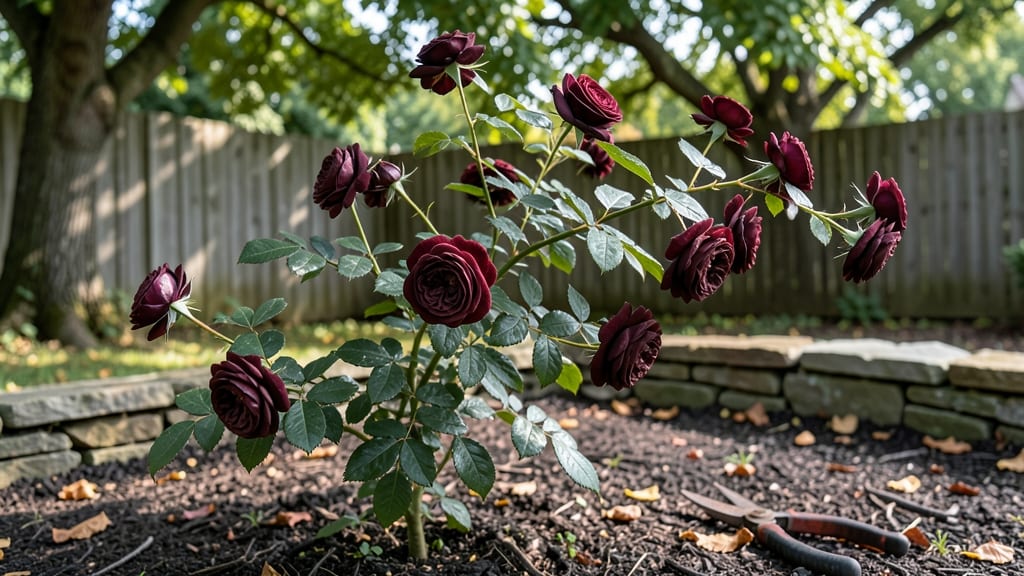
Growing coffee bean roses reveals why this fragrant shrub stands out in partial shade gardens. 🌿 Unlike other roses, its deep burgundy blooms smell like freshly brewed coffee—a scent so distinctive it draws hummingbirds and curious neighbors alike.
The key to success lies in mimicking its natural woodland habitat, where dappled light and moist soil keep it thriving. These roses aren't fussy about soil as long as it drains well, but they reward you with vibrant blooms when planted in slightly acidic, organic-rich earth.
I've found mine flourishes in containers too, making them perfect for patios where full sun isn't an option. The secret to their longevity? Pruning just after flowering to encourage fresh growth while maintaining that lush, bushy shape.
What makes them special is their dual appeal: the intoxicating aroma and the striking, seedpod-like hips that persist into winter. In my garden, they've become the unexpected star of shady corners where other roses struggle. With proper care, you'll enjoy continuous blooms from early summer through frost.
The biggest mistake beginners make is overwatering—these roses prefer consistent moisture without soggy roots. And yes, the blooms do smell like coffee, though they're purely ornamental. Here's how to cultivate yours successfully!
📚 In This Guide
- What you need
- Instructions
- Tips and common mistakes
- Wrapping up and next steps
What you need
- ● Coffee Bean Rose Plant: 1 healthy, disease-free bare-root or potted plant (check for vibrant green leaves and sturdy stems).
- ● Well-draining soil: 3–5 gallons of a mix of: 60% high-quality potting soil or garden soil
- ● 30% perlite or coarse sand (for drainage)
- ● 10% compost or aged manure (for nutrients)
- ● Container or garden bed: For containers: A 12–15-inch diameter pot with drainage holes (terracotta or ceramic preferred).
- ● For gardens: A partially shaded spot with loose, fertile soil (amend with compost if needed).
- ● Fertilizer: 1 cup of balanced, slow-release fertilizer (10-10-10 ratio) or organic options like worm castings or fish emulsion.
- ● Mulch: 2–3 inches of organic mulch (e.g., shredded bark, pine needles, or straw) to retain moisture.
- ● Trowel or small shovel for planting
- ● Garden gloves to protect your hands
- ● Watering can with a rose (for gentle watering)
- ● Pruning shears (sterilized with rubbing alcohol)
- ● pH testing kit (to ensure soil pH is between 6.0–7.0)
- ● Support stake or trellis (if growing in a container or windy area)
Step-by-step guide to growing coffee bean roses
Here's how to nurture these fragrant, shade-tolerant roses into stunning garden stars.
🌱 Step 1: Select and Prepare the Right Location
Coffee Bean Roses thrive in partial shade—think 4-6 hours of morning sun with afternoon protection from intense rays. I always choose a spot with dappled light where leaves stay cool. These roses tolerate 40-80°F temperatures, making them perfect for cooler climates.
Test your site by observing how sunlight moves through the area at different times of day. If leaves on nearby plants show sunburn spots (brown patches), that spot gets too much direct sun. Amend the soil with 2-3 inches of compost to improve drainage while retaining moisture—these roses hate soggy roots.
🪴 Step 2: Plant Bare-Root Roses at the Right Time
Plant your bare-root Coffee Bean Roses in early spring or fall, when temperatures are 50-60°F. Soak the roots in lukewarm water for 2-3 hours before planting to revive them. Dig a hole twice as wide as the root ball but only as deep—the graft union should sit 2 inches above soil level.
Spread the roots gently outward without bending them. Fill the hole halfway with soil, then water deeply to settle it. This prevents air pockets that strangle new roots. I always add a slow-release rose fertilizer at planting time—just follow the packet instructions for amounts.
☀️ Step 3: Water Deeply and Mulch to Protect Roots
Water your newly planted roses once daily for the first 2 weeks, then taper to every other day once established. You'll know they're getting enough water when the top 2 inches of soil feel moist but not soggy. Coffee Bean Roses need consistent moisture, especially during their first growing season.
Apply a 3-inch layer of mulch around the base, keeping it 6 inches away from the stem. Organic mulch like shredded bark regulates soil temperature and retains moisture. Replenish mulch as it breaks down—this is key to preventing soil-borne diseases that love dry, cracked earth.
✂️ Step 4: Prune for Health and Blooms
Prune your Coffee Bean Roses in early spring before new growth begins. Remove any dead, diseased, or crossing branches first—these compete with healthy growth. Cut back last year's blooms to just above a 5-leaflet leaf (the cluster of smaller leaves). This encourages strong new canes.
Shape the plant by thinning out crowded stems to improve airflow. I always sterilize my pruners with rubbing alcohol between cuts to prevent spreading disease. Avoid heavy pruning in fall—this variety needs its foliage to photosynthesize through winter in cooler climates.
🌿 Step 5: Feed and Maintain for Continuous Blooms
Fertilize your Coffee Bean Roses every 4-6 weeks during the growing season with a balanced rose fertilizer (10-10-10 ratio). I switch to a low-nitrogen, high-phosphorus formula when buds form to encourage more blooms. Always water deeply after fertilizing to prevent root burn.
Watch for aphids or spider mites on the undersides of leaves—these pests love the tender new growth. Spray with neem oil at the first sign of trouble. Deadhead spent blooms regularly to redirect the plant's energy into producing more fragrant flowers. Your roses will reward you with continuous blooms from late spring through fall if you keep up with this care.
Tips & tricks for perfect coffee bean rose care
These simple strategies will help you coax the most fragrant blooms from your shade-loving Coffee Bean Roses.
Location Intelligence: I've learned the hard way that "partial shade" isn't one-size-fits-all. Observe your garden throughout the day—morning sun with afternoon shade is ideal, but if your area gets intense afternoon sun, consider planting near a north-facing wall. The secret is finding that sweet spot where leaves stay cool but still get enough light to photosynthesize properly.
Planting Precision: When you're soaking those bare roots for 2-3 hours, use lukewarm water—not cold from the tap. Cold water can shock the roots while you're trying to revive them. Also, make sure your hole is twice as wide but only as deep—this gives roots room to spread without being buried too deep, which can cause rot. The 2-inch graft union elevation is critical for preventing disease.
Watering Wisdom: That first 2-week daily watering is non-negotiable, but don't rely solely on a schedule. Stick your finger 2 inches into the soil—if it feels dry, water. If it's moist, wait. Overwatering is just as damaging as underwatering for these roses. I've seen soggy roots lead to fungal issues that can kill plants quickly.
Pruning Payoff: When pruning in early spring, look for those 5-leaflet leaves—they're your guide. Cut just above them to encourage strong new growth. I sterilize my pruners between every cut to prevent spreading any potential diseases hiding in the plant. And remember, fall pruning should be minimal—these roses need their foliage to photosynthesize through winter in cooler climates.
Pro Tips for Coffee Bean Rose
- These simple strategies will help you coax the most fragrant blooms from your shade-loving Coffee Bean Roses.
- Location Intelligence: I've learned the hard way that "partial shade" isn't one-size-fits-all.
- Planting Precision: When you're soaking those bare roots for 2-3 hours, use lukewarm water—not cold from the tap.
Frequently asked questions
Got questions about growing and caring for your coffee bean rose? You’re not alone! Here are some of the most common queries—and their answers—to help you nurture fragrant, thriving blooms with ease.
How long does it take for a coffee bean rose to bloom after planting?
A newly planted coffee bean rose may take anywhere from 6 months to 2 years to produce its signature fragrant blooms, depending on growing conditions. Patience is key—ensure it’s in well-draining soil, receives partial shade, and gets consistent moisture. With proper care, expect seasonal blooms in late spring to early summer, with occasional reblooming in fall.
Can I grow a coffee bean rose from a coffee bean?
No, you cannot grow a coffee bean rose from a coffee bean—they’re completely different plants! The "coffee bean rose" is a hybrid tea rose (often Rosa ‘Café au Lait’ or similar) named for its creamy, latte-like petals. If you’re curious about growing roses from seeds, opt for rose hips or specialized rose seed kits instead.
How often should I water my coffee bean rose, and what’s the best method?
Water your coffee bean rose deeply 1–2 times per week, ensuring the soil is moist but not soggy. Morning watering is ideal to prevent fungal issues. Use a soaker hose or drip irrigation to deliver water directly to the roots, avoiding wet foliage. During hot, dry spells, increase frequency slightly, but always check soil moisture before watering.
What pests or diseases should I watch for, and how do I treat them?
Coffee bean roses are generally hardy, but keep an eye out for aphids, spider mites, and powdery mildew. For pests, spray with neem oil or insecticidal soap. If you spot white powdery spots on leaves, treat with a fungicide and improve air circulation. Prevention tip: Prune regularly to enhance airflow and remove diseased leaves promptly.
Can I grow a coffee bean rose in a container, and what’s the best pot size?
Yes! Coffee bean roses thrive in containers with at least 15–20 gallons of space (a pot 18–24 inches in diameter works well). Use a high-quality potting mix with good drainage, and add compost or organic matter for nutrients. Ensure the pot has drainage holes and move it to a shaded spot during peak afternoon sun to prevent stress.
Wrapping up and next steps
The Coffee Bean Rose isn’t just a plant—it’s a fragrant, low-maintenance gem that brings elegance to partial-shade gardens. With the right soil, sunlight, and care, you’ll be rewarded with stunning blooms and a heavenly scent that lingers in the air. 🌸
Ready to grow your own? Start by gathering your supplies, then follow the steps with confidence—your garden (and your neighbors!) will thank you. Plant one today, and soon you’ll be the envy of every green thumb around!