
Neem Oil
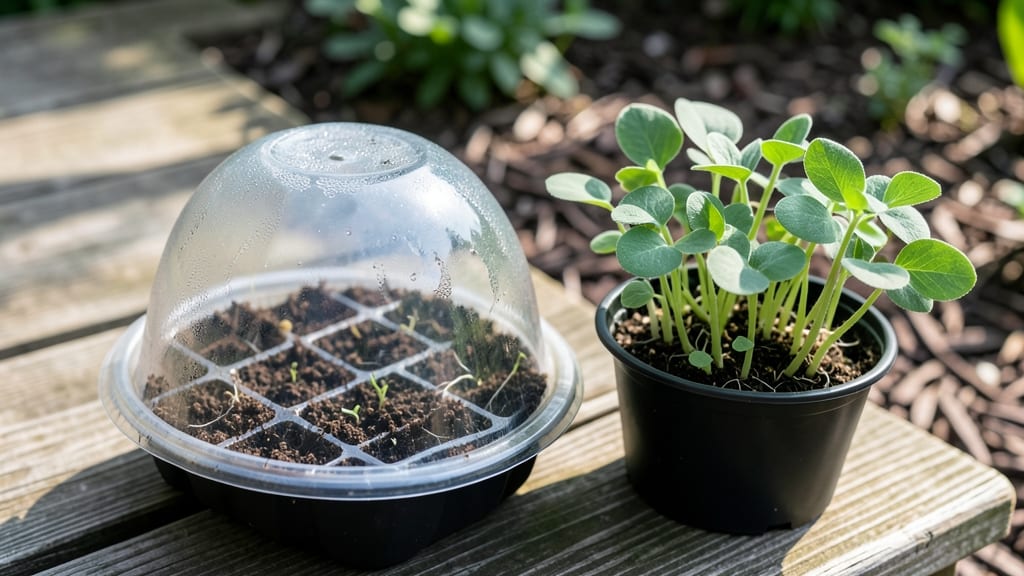
Growing fava bean sprouts from seed is faster than you think—ready to harvest in just 7-10 days. 🌱 The key to success? A neem oil spray that keeps fungal mold at bay while those tender shoots race toward your plate.
I’ve grown these sprouts for years, and this simple routine turns them from fragile seeds into crisp, protein-packed harvests every time.
You’ll need a shallow container (a wide tray or even a repurposed baking dish works), a fine-mesh screen, and a spray bottle for your neem oil mix. The soil—or really, just a damp paper towel—should stay moist but never soggy.
Place your setup in a bright, indirect light spot (no direct sun yet), and watch those sprouts emerge within 24 hours.
By day 5, you’ll see 1-2 inch shoots ready for thinning, and by day 7, you can start harvesting. The flavor is nutty and fresh, perfect for salads or sandwiches.
The neem oil spray every 3 days keeps black mold from ruining your batch—trust me, I’ve lost entire trays to it before.
This method works for any sprouting setup, from kitchen counters to basement grow lights. The best part? You’ll get more nutrition per bite than store-bought sprouts, and the process is impossible to mess up once you get the hang of it.
📚 In This Guide
- What you need
- Instructions
- Tips and common mistakes
- Wrapping up and next steps
What you need
- ● Fava bean seeds: ½ cup (about 100g) – organic, non-GMO preferred for best results.
- ● Neem oil: 1 tbsp (15 mL) – 100% cold-pressed, food-grade (for sprouts, not cosmetic-grade).
- ● Water: 2 cups (480 mL) – room-temperature, filtered or distilled (chlorine-free).
- ● Sprouting container: 1 quart-sized mason jar (or a dedicated sprouting lid with mesh).
- ● Cheesecloth or fine mesh screen: 1 piece – to cover the jar and allow airflow.
- ● Rubber band or jar ring: 1 – to secure the cloth/mesh in place.
- ● Colander: 1 medium-sized – for rinsing sprouts.
- ● Sprouting tray: For larger batches or easier rinsing.
- ● Food dehydrator: To dry sprouts for storage (set to 115°F/46°C).
- ● pH strips: To test water acidity (ideal pH: 6.5–7.0).
- ○ Neem cake powder: ½ tsp (optional) – for extra fungal protection during soaking.
- ● Glass storage container: With lid – for keeping sprouts fresh in the fridge.
- ● Clean workspace – sanitize jars/containers with hot water or vinegar before use.
- ● Time commitment – 2–4 days for sprouting, with daily rinses.
- ● Patience – neem oil needs 12–24 hours to activate against fungi!
Step-by-step instructions for growing fava bean sprouts with neem oil protection
Here's how I grow crisp, vibrant fava bean sprouts while keeping fungal diseases at bay.
🌱 Step 1: Soak Seeds for Optimal Germination
Place 1 cup of fava bean seeds in a clean bowl and cover with 2 cups of lukewarm water. Let them soak for 8-12 hours—this softens the tough outer coating and kickstarts germination. I like to soak overnight so the seeds are ready to plant first thing in the morning.
After soaking, drain the water completely. You'll notice the seeds have swollen noticeably—this is your cue they're ready for the next step. Rinse them gently under cool water to remove any loose seed coats, then transfer them to your sprouting container.
💧 Step 2: Set Up the Sprouting Container with Proper Drainage
Use a wide-mouth quart jar with a sprouting lid or a clean kitchen towel secured with a rubber band. Place the drained seeds inside and cover with the lid or towel. The goal is to keep them dark and moist during the initial germination phase.
Every 8-12 hours, rinse the seeds thoroughly under running water for 30-60 seconds. This prevents mold growth and keeps them hydrated. You'll see tiny white sprouts appear after 24-48 hours—this is when they need more light to develop properly.
☀️ Step 3: Transition to Light and Apply Neem Oil Protection
Once the sprouts reach about 1 inch in length, uncover the container and place it in bright, indirect light. I position mine near an east-facing window where they get morning sun without harsh afternoon heat. This prevents leggy growth while encouraging even development.
Mix 1 teaspoon of neem oil with 1 quart of water and lightly spray the sprouts every 3 days. The neem oil acts as a natural fungicide, preventing common sprouting issues like mold and rot. You'll notice the leaves develop a slight sheen after application—this is normal and indicates the oil is working.
⏰ Step 4: Rinse and Maintain Until Harvest-Ready
Continue rinsing the sprouts twice daily with fresh water to remove any debris and keep them fresh. After 5-7 days total, they'll reach their ideal 2-3 inch length with tender, edible shoots. The leaves should be bright green with no yellowing—a sign they're ready to harvest.
For best results, harvest them just before using. Store them in a sealed container in the refrigerator for up to 5 days. If you notice any brown spots or slimy texture, discard immediately—this indicates spoilage despite the neem oil protection.
Tips & tricks for perfect fava bean sprouts
Here's what nobody tells you about growing these delicate greens—tricks that'll keep your sprouts crisp and mold-free.
Soak Like a Pro: The 8-12 hour soak is non-negotiable, but here's the secret: use lukewarm water that feels comfortable to your wrist—not hot enough to cook the seeds, just warm enough to speed up hydration. After draining, give those seeds a quick 10-second swirl in a colander under cool water. This removes any loose seed coats that could harbor bacteria during germination. I always do this step right after soaking—it's the difference between clean sprouts and potential mold.
Lighting Strategy: When your sprouts reach that 1-inch mark in Step 3, don't just plop them anywhere. East-facing windows are ideal because they provide gentle morning light without the harsh afternoon sun that can bleach your sprouts. If you don't have window access, a grow light on a timer (12 hours on, 12 hours off) works perfectly. The key is avoiding leggy, pale sprouts—those happen when plants stretch toward insufficient light.
Neem Oil Application: That 1 teaspoon of neem oil in 1 quart of water is your secret weapon, but timing matters. Mix it fresh every 3 days—neem oil breaks down over time. When spraying, hold the bottle about 6 inches away and apply lightly, just until the leaves glisten. Over-spraying can leave a residue that affects flavor. I always spray in the morning so any excess can evaporate during the day, leaving your sprouts fresh and protected.
Pro Tips for Fava Bean Sprouts
- Here's what nobody tells you about growing these delicate greens—tricks that'll keep your sprouts crisp and mold-free.
- Soak Like a Pro: The 8-12 hour soak is non-negotiable, but here's the secret: use lukewarm water that feels comfortable to your wrist—not hot enough to cook the seeds, just warm enough to speed up hydration.
- Lighting Strategy: When your sprouts reach that 1-inch mark in Step 3, don't just plop them anywhere.
Frequently asked questions
Got questions about growing fava bean sprouts with neem oil? You’re not alone! Here are some of the most common concerns—and quick, practical answers to keep your sprouts thriving.
How long does it take for fava bean sprouts to grow?
Fava bean sprouts typically take 3–5 days to reach harvestable size (about 1–3 inches tall). With neem oil, growth may slow slightly in the first 24 hours, but they’ll bounce back! Monitor moisture and light—too much heat or darkness can delay sprouting.
Can I use neem oil on sprouts if I’m sensitive to strong smells?
Yes! Dilute neem oil even further (1 tsp per quart of water) and apply it at night or in a well-ventilated area. The scent dissipates quickly, and the antifungal benefits outweigh the aroma. If you’re extra sensitive, try a spray mist of water first to test tolerance.
Are fava bean sprouts safe to eat raw after using neem oil?
Neem oil is non-toxic when used correctly (diluted and rinsed off). Give sprouts a gentle rinse with cool water before eating to remove residue. Always use food-grade neem oil and follow the 24-hour waiting period after spraying.
What’s a good alternative if I don’t have neem oil?
Try these natural antifungal options:
- Hydrogen peroxide (3%): Mix 1 tbsp per quart of water, spray lightly, and rinse.
- Apple cider vinegar: Dilute 1:1 with water and spray (avoid overuse—it can alter flavor).
- Garlic spray: Blend 2 cloves of garlic with water, strain, and spray (great for pests too!).
For severe mold, vinegar or baking soda (1 tsp per quart) can help, but neem oil is the safest long-term guard.
My sprouts are turning yellow or mushy—what went wrong?
Yellowing or mushiness usually means overwatering, poor drainage, or fungal infection. Check these fixes:
- Reduce water: Sprouts need moisture, but not soggy conditions. Use a light mist 1–2 times daily.
- Improve airflow: Space trays apart or use a fan (low setting) to prevent mold.
- Neem oil rescue: If mold appears, spray immediately and rinse before eating.
If the issue persists, your seeds may be old—try fresh ones next time!
Wrapping up and next steps
Growing fava bean sprouts with neem oil is a game-changer—it’s simple, cost-effective, and packed with benefits! 🌱 By following these steps, you’ll enjoy fresh, fungal-free sprouts while harnessing the power of nature’s own pest repellent.
Whether you’re a seasoned gardener or a curious beginner, this method makes it easy to cultivate nutritious sprouts at home.
Ready to take the next step? Start small—try a batch this week! Once you’ve mastered the technique, experiment with flavors by adding herbs or spices to your sprouts. Happy growing, and enjoy your crunchy, healthy harvest! 🌟