
Fertilization
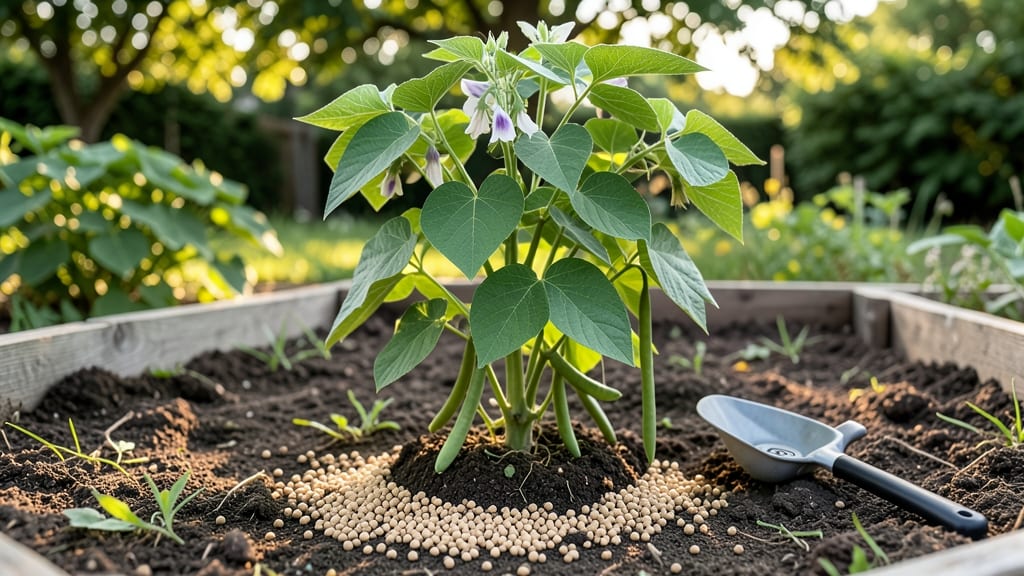
Beans need the right fertiliser to grow strong and produce a bountiful harvest 🌱—and the wrong mix can leave you with leggy plants and few pods.
Struggling to get your bean plants producing those lush, high-yield harvests? The secret lies in understanding the precise nitrogen-phosphorus-potassium (NPK) ratios your beans crave—and when to apply them for maximum growth.
Most gardeners overlook how much phosphorus beans need for root development or how nitrogen can actually harm them if overused. I’ll break down the best NPK ratios for each stage of growth, plus the timing tricks that make all the difference.
You’ll learn how to avoid common mistakes like over-fertilising, spot nutrient deficiencies early, and even use organic options like compost or manure for healthier soil. Let’s get those beans thriving!
Optimal NPK ratios for bean growth by planting stage
Beans are nitrogen-sensitive plants that thrive when their nutrient needs align with their growth stages. Unlike heavy nitrogen feeders like corn, beans actually fix nitrogen in the soil through root nodules—meaning they need less than most vegetables.
However, getting the NPK ratios right at each stage ensures strong roots, vibrant flowers, and abundant pods. Let’s break down the science-backed ratios for germination, flowering, and pod development.
During the germination stage (first 2-3 weeks), beans prioritize root establishment. A low-nitrogen approach prevents leggy seedlings, while phosphorus kickstarts root growth. Research from the University of Georgia shows that a 5-10-5 NPK ratio during this phase promotes healthy taproots without overstimulating foliage.
Too much nitrogen here can delay flowering and pod set, reducing your eventual yield.
| Growth Stage | NPK Ratio | Key Nutrient Focus | Application Timing |
|---|---|---|---|
| Germination (Weeks 1-3) | 5-10-5 | Phosphorus for roots | At planting + 2 weeks later |
| Flowering (Weeks 4-6) | 10-20-10 | Phosphorus & potassium for blooms | When first flowers appear |
| Pod Development (Weeks 7-10+) | 5-10-15 | Potassium for pod fill | Every 3-4 weeks until harvest |
The flowering stage (weeks 4-6) is when beans shift their energy from leaves to reproductive growth. Here, phosphorus and potassium become critical. A 10-20-10 NPK ratio supports the development of flower clusters and prevents blossom drop.
Studies from Purdue University confirm that beans with adequate phosphorus produce up to 30% more flowers, directly translating to more pods. This is also when you’ll see purple or pink flowers—a sign your plant is ready for pollination.
As pods begin to form (weeks 7-10+), the focus shifts to potassium to ensure pod filling and disease resistance. A 5-10-15 NPK ratio during this stage helps beans develop thick, plump pods while preventing issues like hollow pods or blossom end rot.
Potassium also strengthens cell walls, making pods more disease-resistant in humid conditions. Think of this as the "finishing phase" where your hard work pays off in high-quality harvests.
One common mistake is over-fertilizing with nitrogen during pod development. While nitrogen fuels leafy growth, excess nitrogen at this stage can lead to lush foliage but few pods.
Instead, focus on balanced NPK and organic matter like compost, which provides slow-release nutrients. For example, a 5-10-10 fertilizer applied every 4-6 weeks keeps beans productive without overwhelming them.
For pole beans, which have a longer growing season, extend the 5-10-15 ratio through the harvest period to maintain pod production. Bush beans, on the other hand, benefit from a lighter hand—reduce fertilization after the first harvest to encourage reproductive maturity.
Always water fertilizers in deeply to prevent root burn, especially when using synthetic options like 10-20-20 blends.
To monitor your beans’ health, watch for nutrient deficiency signs. Yellowing leaves (especially older ones) signal nitrogen deficiency, while purple stems or leaves indicate phosphorus shortages. Weak stems or small pods often mean potassium is lacking.
Adjust your NPK ratios based on these cues, and don’t hesitate to test your soil (a simple $20 home kit works) to fine-tune your approach.
Remember, beans are legumes, meaning they form a symbiotic relationship with soil bacteria that fix nitrogen. This means you can often reduce nitrogen applications by 10-20% if your soil is healthy. Pair your beans with companion plants like marigolds or clover to further boost soil fertility naturally.
With the right NPK ratios at each stage, your beans will reward you with bountiful, high-quality harvests all season long. 🌱
Organic vs synthetic fertilisers for beans: which delivers better yields?
Choosing between organic and synthetic fertilisers for your beans can feel overwhelming, but the right choice depends on your goals. Organic options like compost and manure improve soil structure over time, while synthetic fertilisers deliver quick nutrient boosts.
Let’s break down the pros and cons to help you decide what works best for your garden.
Beans thrive with a balanced NPK ratio of around 5-10-10, but the type of fertiliser you use affects not just immediate growth but also long-term soil health.
Organic options enrich the soil microbiome, while synthetics provide precise nutrient delivery. Both have their place, but understanding their differences will help you maximize your bean harvest.
Organic Fertilisers for Beans
- Improves soil structure long-term
- Enhances microbiome health
- Slow-release nutrients reduce burn risk
- Cost-effective for large gardens
- Slower nutrient availability
- Requires more frequent applications
- Can attract pests if not composted properly
Synthetic Fertilisers for Beans
- Fast nutrient absorption by plants
- Precise NPK ratios for targeted growth
- Easy to measure and apply
- Immediate results for flowering and podding
- Can deplete soil over time
- Higher risk of over-fertilisation and burn
- More expensive for large-scale use
- Doesn’t improve soil health long-term
For organic options, I recommend starting with well-aged compost or manure (like cow or chicken manure) mixed into the soil before planting. This provides a steady supply of nutrients while improving soil texture.
If you’re short on time, a balanced organic fertiliser like fish emulsion or bone meal (for phosphorus) can give a quick boost without harming the soil.
On the other hand, synthetic fertilisers like 10-10-10 or 5-10-10 are ideal if you need fast results, such as during the flowering stage when beans need extra phosphorus.
These fertilisers dissolve quickly, giving your plants the nutrients they need to produce more pods. However, I always recommend using them sparingly to avoid damaging the roots.
If you’re growing beans in containers or poor soil, a mix of both can be the best approach. Use organic fertiliser to build soil health over time and synthetic fertiliser for a quick boost during critical growth stages.
Always follow the package instructions to avoid over-fertilising, which can stunt growth or even kill your plants.
Ultimately, the choice depends on your priorities: long-term soil health or immediate yield boosts. For sustainable gardening, I lean toward organic, but synthetics can be a game-changer when you need a fast fix. Experiment with both to see what works best for your beans! 🌱