
Container Gardens
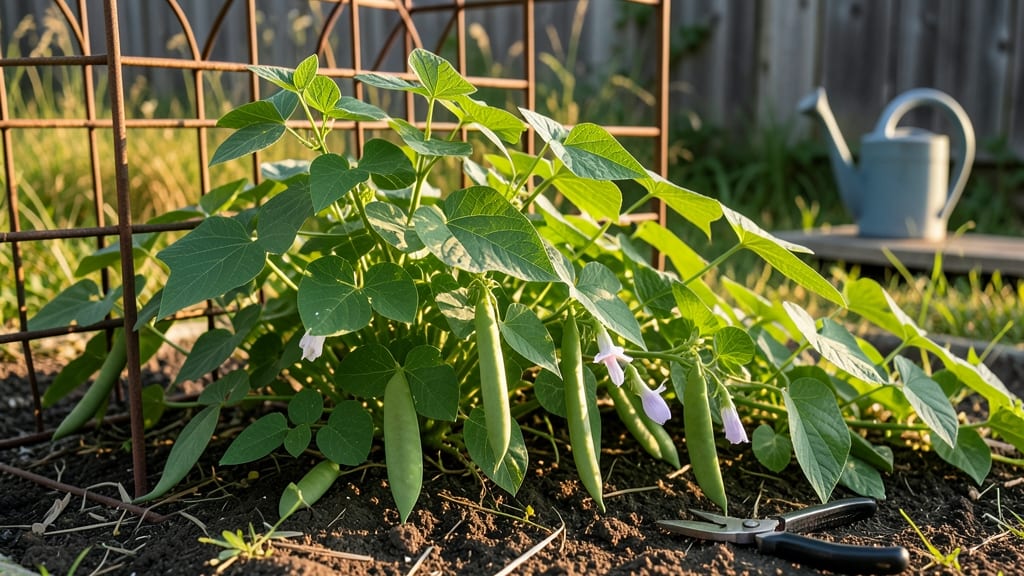
Growing butter beans from seed means fast germination—some varieties sprout in just 3-5 days when you use these compact-garden hacks. 🌱 I learned the hard way that skipping prep steps turns quick sprouts into leggy failures, so I perfected a foolproof method that works in containers, raised beds, or even small in-ground plots.
The secret? Warm soil, proper spacing, and a little patience during the first critical week.
You’ll need a sunny spot (6+ hours of direct light daily), well-draining soil mixed with compost, and containers at least 12 inches deep if growing vertically.
Butter beans thrive in warm weather (plant after last frost when soil hits 60°F), but they bolt fast in heat—so start seeds indoors 4-6 weeks before moving them outside.
The key is keeping soil consistently moist but not soggy; a drip irrigation system or morning watering routine prevents cracked pods later.
By 60 days after planting, you’ll harvest tender, buttery beans that snap cleanly—no strings, no fuss. The plants grow 3-5 feet tall but stay compact with proper trellising, making them perfect for small spaces. Even in my 4x4-foot patio garden, I get enough for fresh eating and freezing.
The best part? These beans resist common pests like Mexican bean beetles better than bush varieties when grown with marigolds or nasturtiums nearby.
Works in zones 3-10, but adjust planting times: Southern gardeners may need shade cloth in peak summer, while Northerners can extend the season with row covers. The biggest mistake? Overcrowding—3-4 inches between plants ensures good airflow and prevents disease.
Stick with these tips, and you’ll go from seed to harvest in under 2 months, with beans that taste sweeter than store-bought.
📚 In This Guide
- What you need
- Instructions
- Tips and common mistakes
- Wrapping up and next steps
What you need
- ● Butter bean seeds: 1–2 lbs (or ~100–200 seeds for a small container). Choose a fast-maturing variety like ‘Fordhook’ or ‘Contender’ for quick harvests.
- ● Potting mix: 5–10 gallons of well-draining, organic-rich soil (or a 50/50 blend of compost and coconut coir). Avoid garden soil—it’s too dense for containers!
- ● Container: A 5-gallon pot or larger (minimum 12" deep) with drainage holes. For multiple plants, use a raised bed or grow bag (at least 18" deep).
- ● Watering can or hose: With a gentle spray nozzle to avoid disturbing seeds.
- ● Fertilizer: Balanced organic fertilizer (10-10-10) or compost tea. Start with 1 tbsp per plant at planting, then every 4–6 weeks.
- ● Hand trowel: For planting and soil prep.
- ○ Trellis or stakes: 3–4 ft tall (optional but highly recommended—beans climb to save space!). Use bamboo stakes or a simple A-frame trellis.
- ● Mulch: Straw or shredded leaves to retain moisture and suppress weeds.
- ● Plant markers: Biodegradable labels to track varieties (if growing multiple types).
- ○ Growth booster (optional): Mycorrhizal fungi or seaweed extract to jumpstart root development.
Step-by-Step instructions for growing butter beans in small spaces
Here’s how to coax butter beans from seed to harvest in record time—even in tight spaces.
🌱 Step 1: Soak Seeds Overnight for Faster Germination
Butter beans germinate fastest when you break their tough seed coat first. Place 4 seeds in a bowl of lukewarm water and let them soak for 12 hours. You’ll see the outer skin soften and tiny white roots emerge—this is your cue they’re ready to plant. Soaking also prevents uneven germination, so you won’t have stragglers waiting weeks for their siblings.
After soaking, drain the seeds and let them sit for 10 minutes to dry slightly. Planting them damp but not dripping prevents rot. I like to wrap the seeds in a damp paper towel overnight instead—it keeps them hydrated without overwatering later.
🪴 Step 2: Plant in Containers with Support Structures
Butter beans need vertical space, so use 5-gallon containers or a trellis in a 12-inch deep raised bed. Fill with well-draining soil amended with compost—beans hate soggy roots. Plant the soaked seeds 1 inch deep and 3 inches apart in a circle around a 5-foot tall stake or wire trellis. This compact arrangement maximizes yield in small spaces.
Water gently after planting until the soil is moist to 2 inches deep. Avoid wetting the seeds directly—you’ll know moisture is right when the soil surface looks slightly damp but not glistening. Cover the seeds with a clear plastic dome or row cover to retain warmth and humidity until germination.
☀️ Step 3: Provide Warmth and Light for Rapid Growth
Butter beans thrive in 70-85°F soil and full sun (6+ hours daily). Place containers in the warmest spot in your garden or under a grow light if starting indoors. You’ll see tiny sprouts in 5-7 days—much faster than unsoaked seeds, which can take 10-14 days. Once sprouts appear, remove the cover immediately to prevent fungal growth.
Keep soil consistently moist but not waterlogged. Stick your finger 1 inch deep—if it feels dry, water deeply. Butter beans are drought-tolerant once established, but young plants need steady moisture. You’ll notice leaves unfurling within 2 weeks, signaling it’s time to fertilize lightly with a balanced organic feed.
✂️ Step 4: Train Vines and Harvest for Continuous Production
As vines reach 6 inches tall, gently weave them around the trellis or stake. This prevents sprawling and makes harvesting easier. Butter beans produce pods along the entire vine, so prune back leggy growth to encourage bushier production. You’ll harvest your first pods in 60-70 days—pick them when they’re 4-5 inches long for tender, buttery texture.
Harvest every 2-3 days to keep plants producing. I check vines daily at dawn—they’re crispest and sweetest first thing. If pods turn dry and woody, you’ve missed the window. After the first flush of harvests, side-dress with compost to replenish nutrients for a second round of growth.
Tips & tricks for fast butter bean germination in small gardens
To maximize your butter bean yield in limited space, these tried-and-true techniques will help you bypass common growing pitfalls and accelerate your harvest.
Soaking Secret: The 12-hour soak is non-negotiable for breaking butter bean dormancy, but I've found that pre-soaking in a damp paper towel overnight (instead of water) creates a more controlled environment. This method prevents over-hydration while still softening the seed coat. The 10-minute drying period after soaking is crucial—planting seeds that are too wet leads to rot, especially in containers where drainage is critical.
Container Strategy: For the 5-gallon containers mentioned in Step 2, I recommend adding a 2-inch layer of gravel at the bottom to improve drainage. Butter beans are sensitive to soggy roots, and this extra precaution prevents root rot in compact growing spaces. When arranging your 4 seeds in a circle around the stake, consider using a small garden marker to label the planting date—this helps track the 60-70 day harvest window more accurately.
Heat Management: The ideal 70-85°F soil temperature range is crucial, but achieving this in cooler climates requires strategy. If your soil runs cooler, place containers on black plastic mulch or use a clear plastic dome to trap heat. For indoor grow lights, maintain them 6-12 inches above the plants to ensure consistent light exposure during those critical first 2 weeks of growth when leaves are unfurling.
Harvest Timing: Those 2-3 day harvest intervals might seem frequent, but they're essential for maintaining plant productivity. I've found that harvesting at dawn gives you the crispest pods, and storing them in the fridge for up to 5 days preserves their tender texture. If you notice pods turning woody, you've missed the window—this is your cue to increase harvest frequency rather than waiting for "perfect" size.
Pro Tips for Butter Beans Growing
- To maximize your butter bean yield in limited space, these tried-and-true techniques will help you bypass common grow...
- Soaking Secret: The 12-hour soak is non-negotiable for breaking butter bean dormancy, but I've found that pre-soaking...
- Container Strategy: For the 5-gallon containers mentioned in Step 2, I recommend adding a 2-inch layer of gravel at t...
Frequently asked questions
Got questions about growing butter beans in compact spaces? You’re not alone! Here are answers to the most common queries to help you cultivate a thriving harvest—even in small gardens.
How long does it take for butter beans to germinate?
Butter beans typically sprout within 5–10 days after planting, especially in warm soil (65–85°F). For faster germination, soak seeds overnight in warm water before planting. Keep the soil moist but not soggy, and place containers in a sunny spot to speed up the process. Patience pays off—just don’t overwater!
Can I grow butter beans in containers year-round?
Butter beans thrive in warm weather, so they’re best grown as a summer crop in most climates. In cooler regions, start seeds indoors 2–3 weeks before the last frost or wait until soil temps reach 60°F+. If you live in a tropical zone, you can grow them year-round, but they’ll need consistent warmth and sunlight. Rotate containers to maximize space!
What pests should I watch for when growing butter beans?
Common pests include aphids, bean beetles, and spider mites. To prevent issues, use row covers early in the season and inspect leaves regularly. Spray plants with neem oil or introduce beneficial insects like ladybugs. Avoid overcrowding—well-spaced plants get better airflow and stay healthier. A quick rinse with water can also deter pests!
Are butter beans easy to harvest, and how do I know when they’re ready?
Harvest butter beans when pods are 3–4 inches long and tender—usually 60–70 days after planting. Pick them young for the best flavor and texture. Use pruning shears or your fingers to avoid damaging the plant. Check pods every 2–3 days, as they ripen quickly. Overripe beans toughen up, so stay on top of harvesting!
What can I plant with butter beans to save space?
Butter beans are nitrogen-fixers, so pair them with heavy feeders like tomatoes, peppers, or lettuce. For vertical gardening, train them to grow up trellises alongside cucumbers or zucchini. Avoid planting with onions or garlic, as they can stunt growth. In small containers, interplant with herbs like basil or cilantro—they’ll share space without competing for nutrients!
Wrapping up and next steps
Growing butter beans in compact spaces is easier than you think—with the right fast-germination hacks and a little patience, you’ll soon be harvesting these nutritious, flavorful legumes! Whether you’re a beginner or a seasoned gardener, their adaptability makes them a fantastic choice for small gardens, balconies, or even containers. 🌱
Now that you’re armed with tips on soaking, planting, and care, it’s time to roll up your sleeves and give it a try! Start with just one container or a small patch, and let your green thumb shine.
Happy growing—and enjoy those homegrown butter beans in your favorite dishes soon!