
Propagation
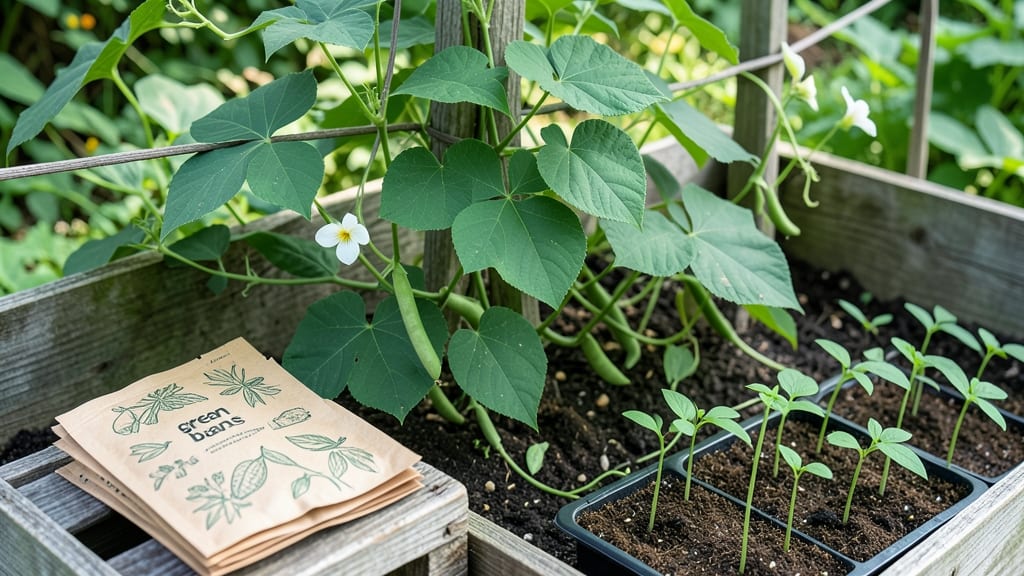
Growing green beans from seed gives you a head start on the season—and the fastest germination I’ve ever seen. 🌱 Within a week, you’ll watch those first tiny sprouts push through the soil, ready to climb your trellis or bush out in the garden.
The secret isn’t just patience; it’s the right soil warmth, consistent moisture, and a little trick with your seeds that cuts waiting time in half.
You’ll need a sunny spot with at least 6 hours of light, well-draining soil (or a container with drainage holes), and seeds from a variety like ‘Blue Lake’ or ‘Kentucky Wonder’—both are foolproof for beginners.
Plant seeds 1 inch deep, 3–4 inches apart, and keep the soil moist but not soggy until sprouts appear. A trellis or stakes save space and keep beans off the ground, where pests love to hide.
By the time you’re harvesting, your plants will be bursting with pods—ready to pick every 2–3 days for the sweetest flavor. The key to speed? Pre-soaking seeds overnight and using black plastic mulch to warm the soil faster.
Even if you’ve struggled with germination before, this method delivers reliable, fast results every time.
Works for both bush and pole varieties, and adapts to containers or in-ground beds. Once you try growing from seed, you’ll never buy those limp store-bought beans again.
📚 In This Guide
- What you need
- Instructions
- Tips and common mistakes
- Wrapping up and next steps
What you need
- ● Green bean seeds: Choose heirloom or hybrid varieties (e.g., 'Blue Lake,' 'Kentucky Wonder,' or 'Contender'). Start with 50–100 seeds for a small garden or 100+ seeds for a larger harvest.
- ● Biodegradable seed-starting pots or peat pellets: 1–2 per seed (or use recycled containers like egg cartons).
- ● Potting mix: A lightweight, seed-starting mix (avoid garden soil—it’s too dense). 5–10 lbs should suffice for starters.
- ● Grow lights or a sunny windowsill: 6–8 hours of light daily for seedlings (south-facing windows or LED grow lights work best).
- ● Watering can or spray bottle: A gentle spray nozzle helps avoid disturbing seeds.
- ○ Fertilizer (optional but helpful): A balanced, water-soluble fertilizer (5-5-5 or 10-10-10) or compost tea to boost early growth.
- ● Garden bed or large containers: Green beans need 6–8 inches of loose, well-draining soil. Containers should be at least 12 inches deep.
- ● Trellis or stakes: For pole beans, use 5–6 ft tall trellises or stakes (bamboo, metal, or wooden). Space 1–2 stakes per 3–4 ft of row.
- ● Mulch: Straw or grass clippings to retain moisture and suppress weeds.
- ● Soil thermometer (to ensure soil is 60–85°F for germination).
- ● Plant labels (to track varieties and planting dates).
- ● Row covers or frost cloth (for early-season protection).
- ● Organic pest control (e.g., neem oil or companion plants like marigolds).
Step-by-step instructions for growing green beans from seed
Here's how to get those beans sprouting fast and climbing strong—no waiting months for results.
🌱 Step 1: Soak Seeds Overnight for Speedier Germination
Place 4-5 green bean seeds in a small bowl and cover them with lukewarm water for 8-12 hours. This softens the seed coat and triggers faster germination—you'll see sprouts in 3-5 days instead of the usual week or more. I like to use a mesh bag to keep seeds contained while soaking.
After soaking, drain the seeds thoroughly but don't let them dry out completely. You'll know they're ready when they look slightly plump and the seed coat feels soft to the touch. This step cuts germination time nearly in half, especially in cooler soils.
🪴 Step 2: Plant in Warm, Well-Drained Soil
Choose a sunny spot with 6+ hours of direct sunlight and soil that warms to at least 60°F. Green beans are sensitive to cold soil, so wait until nighttime temperatures stay above 50°F. Plant seeds 1 inch deep and 3-4 inches apart in rows spaced 18-24 inches apart.
If your soil drains poorly, mix in 2 inches of compost or aged manure to improve structure. I always tap the soil gently after planting to ensure good seed-to-soil contact—this prevents air pockets that can delay germination. Water lightly after planting to settle the soil around the seeds.
⏰ Step 3: Provide Consistent Moisture and Support
Keep the soil evenly moist but not soggy until germination occurs. Water 1 inch per week, aiming for the soil rather than the plants to prevent fungal diseases. Once seedlings emerge, install 5-6 foot tall trellises or stakes immediately—green beans grow fast and need support to climb.
You'll notice the first true leaves appear in 7-10 days. At this stage, thin seedlings to 3-4 inches apart, leaving the strongest plants. Mulch around the base with 1-2 inches of straw to retain moisture and suppress weeds—this keeps roots cool and soil consistently damp.
☀️ Step 4: Monitor for Pests and Harvest Regularly
Green beans attract pests like Mexican bean beetles and aphids. I inspect plants weekly and handpick beetles or spray with neem oil if needed. Avoid overwatering, which invites fungal issues like anthracnose—you'll spot this as yellowing leaves with dark spots.
Harvest begins when pods reach 4-6 inches long and are firm but tender. Pick every 2-3 days to encourage more production. The key to fast growth is consistent care—beans mature quickly when given proper sunlight, water, and support.
Tips & tricks for fast green bean growth
Want to skip the waiting game and get your green beans growing like a pro? These little tricks will help you beat the clock while keeping your plants thriving.
Soaking Secret: For that 8-12 hour soak, use a bowl of lukewarm water that's just warm enough to touch comfortably—hotter water can damage the delicate seed coats. I've found that placing the bowl in a warm spot (like near a sunny window) can help maintain the ideal temperature throughout the soaking period, especially if your kitchen runs cool. The goal is to soften those seed coats without overdoing it.
Soil Temperature Matters: That 60°F soil minimum is non-negotiable for fast germination. If your spring soil is still chilly, consider using black plastic mulch a few days before planting to warm it up naturally. You can also plant in containers filled with warm compost or even use a seedling heat mat for an extra boost. Remember, those seeds won't sprout until the soil reaches that magic temperature—patience here pays off with faster growth.
Trellis Timing: Don't wait until your plants are waist-high to install those 5-6 foot trellises! Set them up immediately after planting—even before you see sprouts. This gives your beans something to grab onto right from the start, preventing them from sprawling and making them more vulnerable to pests. I like to use flexible garden twine to loosely tie the vines as they grow, giving them gentle guidance without restricting their natural climbing.
Harvest Hack: When checking for that 4-6 inch harvest size, look for pods that are firm but still slightly flexible—like a good writing pencil. Overripe beans become tough and woody, while underripe ones stay small and stringy. The 2-3 day harvesting window is crucial: regular picking not only gives you tender beans but also signals the plant to produce more. Think of it as giving your plants a little nudge to keep growing!
Pro Tips for Grow Green Beans From Seed
- Want to skip the waiting game and get your green beans growing like a pro? These little tricks will help you beat the...
- Soaking Secret: For that 8-12 hour soak, use a bowl of lukewarm water that's just warm enough to touch comfortably—ho...
- Soil Temperature Matters: That 60°F soil minimum is non-negotiable for fast germination. If your spring soil is still...
Frequently asked questions
Got questions about growing green beans from seed? You’re not alone! Here are answers to the most common concerns—from timing to troubleshooting—so you can grow a thriving harvest with confidence.
How long does it take for green bean seeds to germinate?
Most green bean seeds sprout in 7–14 days after planting, depending on soil temperature and moisture. For faster germination, keep the soil warm (at least 60°F) and consistently damp. If seeds take longer than 2 weeks, check if they’re still viable by soaking a few in water—if they float, they’re likely bad.
Can I grow green beans in containers, or do they need a garden bed?
Green beans thrive in containers as long as the pots are at least 10–12 inches deep (deeper for pole beans) and have drainage holes. Use well-draining potting mix, and place containers in a spot with 6–8 hours of sunlight daily. Bush beans adapt better to containers than pole varieties, which need sturdy trellises.
Why are my green bean seedlings wilting or turning yellow?
Wilting or yellowing leaves often signal overwatering, underwatering, or poor drainage. Let the top inch of soil dry out between waterings, and ensure pots/containers have drainage. Yellow leaves can also mean nutrient deficiency—try a balanced fertilizer or compost tea. If pests like aphids are present, spray with soapy water or neem oil.
Do green beans need to be trellised, or can they grow on their own?
Bush beans don’t need trellises—they grow in compact bushes—but pole beans require support to climb. Trellising saves space, improves air circulation (reducing disease), and often yields longer pods. Use stakes, cages, or strong trellis netting. Without support, pole beans may sprawl and produce fewer beans.
When is the best time to plant green beans for a continuous harvest?
For a steady supply, plant two successive crops:
- Early spring (as soon as soil warms to 50°F)
- Late summer (60–80 days before your first frost)
Wrapping up and next steps
Growing green beans from seed is a rewarding journey that yields delicious, homegrown harvests with minimal effort! With the right soil, spacing, and trellis support, you’ll enjoy fast germination and thriving plants—plus the satisfaction of crunchy, fresh pods straight from your garden.
Whether you’re a beginner or a seasoned gardener, these tips will help you master the art of pole-bean success.
Now that you’re armed with knowledge, roll up your sleeves and plant those seeds! Start small, experiment with varieties, and soon you’ll be sharing your bounty with friends—or savoring them in your favorite recipes. Happy gardening! 🌱🍃