
Planting
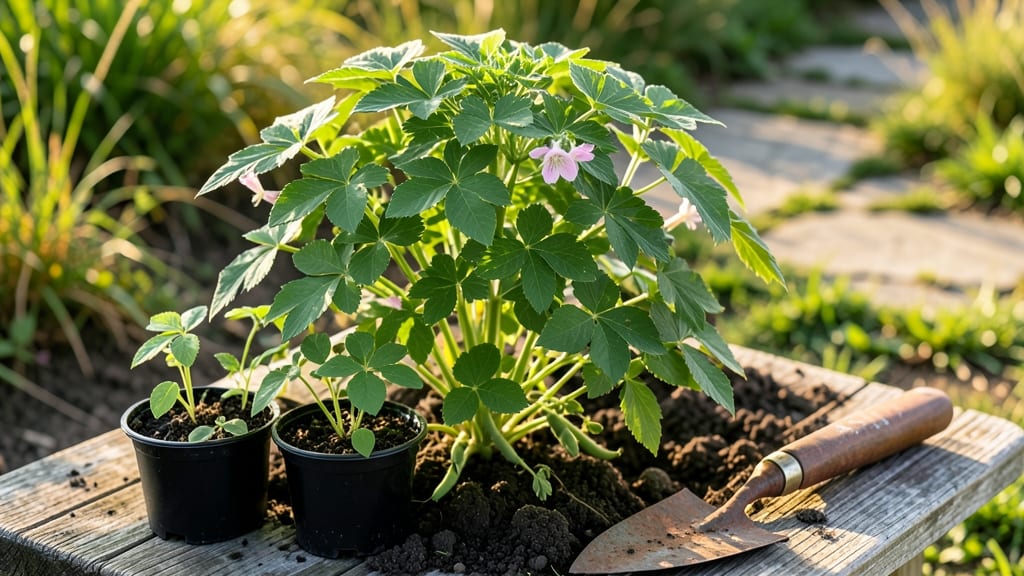
Planting garbanzo beans could mean fresh hummus in just 7-10 days—if you nail the germination step. 🌱 I’ve learned the hard way that these little seeds need the perfect balance of moisture, warmth, and patience to break through their tough shells.
Most beginners either overwater or underestimate how long they’ll take to sprout, but with the right approach, you’ll see those first green shoots in record time.
Start with well-draining soil that’s warm (at least 60°F) and plant seeds 1-2 inches deep, spacing them 2-3 inches apart. If your climate is cool, begin indoors 4-6 weeks before the last frost or use black plastic mulch to warm the soil.
Water gently but consistently—never let the soil dry out, and avoid soaking the seeds, which can rot them before they sprout.
📚 In This Guide
- What you need
- Instructions
- Tips and common mistakes
- Wrapping up and next steps
What you need
- ● Garbanzo bean seeds: 1–2 lbs (organic, non-GMO preferred; choose varieties like Desi or Kabuli for best results).
- ● Well-draining soil: 5–10 gallons of loose, fertile soil (pH 6.0–7.5). Mix in compost or aged manure for nutrients.
- ● Containers or garden bed: Containers: 5–10 gallon pots (with drainage holes) or fabric grow bags.
- ● Garden beds: 18–24 inches of row spacing; 2–3 inches of depth for planting.
- ● Watering can or hose: With a gentle spray nozzle for hydration.
- ● Plant labels: To track varieties and planting dates.
- ● Garden trowel or transplanting tool (for digging holes).
- ● Mulch (straw or wood chips) to retain moisture and suppress weeds.
- ● Fertilizer: Balanced 10-10-10 or phosphorus-heavy (5-10-10) for root growth.
- ○ Trellis or stakes (optional, for bush varieties to save space).
- ● Soil thermometer (to ensure soil is 60°F+ for germination).
- ● Seedling heat mat (for cooler climates to speed up sprouting).
Step-by-step instructions for planting garbanzo beans
Here's the foolproof method I use to get garbanzos sprouting in 5-7 days—no waiting months like some tricky legumes.
🌱 Step 1: Soak Seeds Overnight for Faster Germination
Place 4-6 garbanzo beans in a bowl and cover with warm water (about 70°F). Let them soak for 12 hours—this softens the tough outer shell and speeds up sprouting. I like to use a mesh bag so I can easily transfer them later without losing any.
After soaking, check for any seeds that float—they won't sprout. Drain the water and let the seeds sit in a colander for 30 minutes to dry slightly. This prevents mold from forming when you plant them. The skins should look plump and slightly wrinkled, not soggy.
🪴 Step 2: Prepare Containers and Planting Medium
Fill 4-inch deep containers with a mix of 50% potting soil and 50% compost. Garbanzos love well-draining soil but need nutrients to thrive. I press the mix down lightly so it's firm but not compacted—this gives roots something to grip while staying loose enough for water to penetrate.
Plant the soaked seeds 1 inch deep, spacing them 2-3 inches apart. If you're growing in a row, place them in a slight trench to keep them evenly spaced. Gently cover with soil and pat it down—don't press too hard, or you'll smother the seeds.
💧 Step 3: Water and Provide Warmth for Germination
Water the soil until it's moist but not soggy—think of a wrung-out sponge. Garbanzos need consistent moisture to germinate, but standing water will rot them before they sprout. Place the containers in a warm spot, ideally 70-80°F, like on top of a refrigerator or near a sunny window.
Cover the containers loosely with plastic wrap or a humidity dome to retain warmth and moisture. Check daily for condensation—if you see water droplets, remove the cover for 30 minutes to prevent mold. You should see tiny sprouts pushing through the soil in 3-5 days.
☀️ Step 4: Move to Sunlight and Thin Seedlings
Once sprouts appear, remove the plastic cover and move the containers to a spot with 6-8 hours of sunlight daily. Garbanzos need plenty of light to grow strong and avoid becoming leggy. If you're growing indoors, use a grow light 4-6 inches above the plants for 12-14 hours a day.
When seedlings reach 2 inches tall, thin them so only the strongest one remains per container. Gently pull out the weaker sprouts at the base—don't twist, or you'll damage the roots of the ones you're keeping. This gives your remaining plants room to grow without competing for nutrients.
✂️ Step 5: Maintain Moisture and Fertilize for Healthy Growth
Water the soil when the top 1 inch feels dry—garbanzos hate soggy roots but need steady moisture to produce pods. I use a watering can with a gentle spray to avoid disturbing the soil. Once the plants are 4-6 inches tall, add a balanced fertilizer (like 10-10-10) diluted to half strength every 4 weeks.
Watch for yellowing leaves—this usually means the plants need more nitrogen. A light side-dressing of compost or a foliar feed with fish emulsion can fix the issue quickly. With proper care, you'll see flowers in 6-8 weeks, followed by pods ready to harvest in 2-3 months.
Tips & tricks for perfect garbanzo bean planting
Here's what nobody tells you about getting those seeds to sprout faster and stronger.
Soaking Secret: The 12-hour soak is non-negotiable for breaking down garbanzo shells, but here's the trick: use warm water (70°F)—not hot—because extreme heat can actually damage the seeds. I like to soak mine in a bowl of warm water with a splash of apple cider vinegar (just 1 tablespoon). This helps prevent mold while speeding up germination. After soaking, give those seeds a quick 30-minute air-dry in a colander—this prevents mold when you plant them later. The skins should look plump but not soggy.
Container Hack: Don't have 4-inch deep containers? No problem. Use any pot with drainage holes that's at least 3 inches deep. I've successfully grown garbanzos in recycled yogurt cups with drainage holes punched in the bottom. Just make sure your mix of 50% potting soil and 50% compost is loose enough that water drains freely. Press the soil down lightly—firm enough for roots to grip, but not compacted like a brick. This balance is everything for preventing root rot while still giving those seeds something to hold onto.
Germination Boost: Those 3-5 days until sprouts appear can feel like forever, but here's how to shave off time: Place your covered containers on top of a refrigerator or near a sunny window where temps stay between 70-80°F. I've found that a warm spot near a south-facing window works perfectly. Check daily for condensation—if you see water droplets, remove the cover for 30 minutes to prevent mold. Pro tip: Use a humidity dome or plastic wrap, but leave it slightly loose so air can circulate. This creates the perfect tropical environment for fast germination.
Sunlight Strategy: Once those little sprouts appear, move them to 6-8 hours of direct sunlight daily. If you're growing indoors, position a grow light 4-6 inches above the plants for 12-14 hours a day. I use a simple LED grow bulb on a timer—it's cheap and effective. Watch for leggy growth (long, weak stems) which means they're stretching for light. If you notice this, move the plants closer to the light source or increase sunlight exposure gradually over a few days. The goal is strong, sturdy plants that can support those future pods.
Pro Tips for Garbanzo Bean Planting
- Here's what nobody tells you about getting those seeds to sprout faster and stronger.
- Soaking Secret: The 12-hour soak is non-negotiable for breaking down garbanzo shells, but here's the trick: use warm water (70°F)—not hot—because extreme heat can actually damage the seeds.
- Container Hack: Don't have 4-inch deep containers?
Frequently asked questions
Got questions about growing garbanzo beans? You’re not alone!
Here are answers to the most common queries—from planting timing to troubleshooting—so you can grow these nutritious legumes with confidence.
When is the best time to plant garbanzo beans?
Garbanzo beans thrive in warm soil (at least 60°F/15°C). Plant them 2–3 weeks after the last frost in spring or 60–90 days before the first fall frost for a second harvest. In hot climates, opt for late summer planting to avoid extreme heat. Pro tip: Use black plastic mulch to warm the soil faster!
How long do garbanzo beans take to germinate?
With the right conditions, garbanzo beans germinate in 7–14 days. For faster sprouts, soak seeds overnight, plant in warm, well-draining soil, and keep moisture consistent. Avoid overwatering—soggy soil can delay germination. Fun fact: Some varieties (like Desi) germinate quicker than Kabuli types!
Can I grow garbanzo beans in containers or small spaces?
Garbanzo beans adapt well to containers 12–18 inches deep with good drainage. Use a lightweight potting mix and support vining varieties with a trellis. For small gardens, try bush-type varieties like ‘White Marble’. Just ensure they get 6–8 hours of sunlight daily.
What should I do if my garbanzo bean plants have yellow leaves?
Yellow leaves often signal overwatering, nutrient deficiency, or pests. First, check soil moisture—garbanzos hate soggy roots. If leaves are pale yellow, they may need more nitrogen (use compost or a balanced fertilizer). For spotted or chewed leaves, inspect for aphids or spider mites and treat with neem oil. Pro tip: Rotate crops to prevent soil-borne issues!
Are garbanzo beans drought-tolerant once established?
Yes! Once roots are deep, garbanzo beans handle moderate drought better than many crops. However, consistent moisture during flowering and podding ensures better yields. Mulch heavily to retain soil moisture, and avoid deep watering—focus on shallow, frequent irrigation. Bonus: They fix nitrogen in the soil, reducing water needs for future plants!
Can I save seeds from my homegrown garbanzo beans?
Let pods dry on the plant until they turn brown and brittle, then harvest seeds. Store them in a cool, dry place (like a jar in the fridge) for up to 2–3 years. For best results, select healthy, disease-free pods from your healthiest plants. Note: Seed viability may drop after 1–2 years, so test a few before full planting.
Wrapping up and next steps
Growing garbanzo beans is a rewarding journey—packed with fast germination, nutrient-rich harvests, and the joy of nurturing life from seed! 🌱 With the right soil, spacing, and care, you’ll soon enjoy crisp, flavorful legumes straight from your garden.
Whether you’re a seasoned gardener or a curious beginner, these tips make success simple.
Ready to level up your garden game? Start small—try a container or a dedicated plot—and watch your plants thrive! Next, experiment with varieties or share your harvest with friends. Happy planting! 🌿