
Vegetables
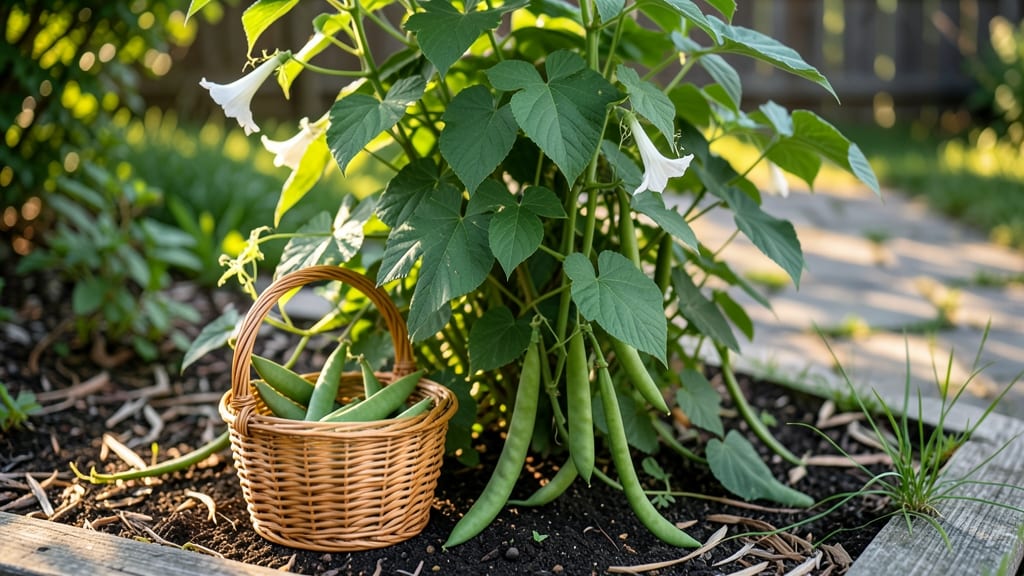
Fast germination is the secret to a bumper crop of green beans. 🌱 I’ve learned that cool-season planting—when soil hits 55°F—gets those first shoots popping up in just 5-7 days, not the weeks you might expect.
The key isn’t just timing; it’s how you prep the soil, space the seeds, and keep them happy once they sprout.
You’ll need loose, well-draining soil rich in compost (no soggy roots here!), a sunny spot with 6+ hours of light daily, and patience for the right moment—too early and seeds rot; too late and you miss peak harvest.
Direct sowing beats transplants for beans, but if you’re using starts, harden them off first to avoid shock. The spacing? 4-6 inches apart in rows 18-24 inches apart—crowd them too close and you’ll fight for every pod.
By mid-summer, you’ll be snipping crisp, tender beans straight from the vine, with harvests lasting 4-6 weeks if you keep picking. The trick to extending the season? Succession planting—sow new seeds every 2 weeks after the first batch.
And here’s the game-changer: trellising bush beans saves space and keeps pods clean, while pole varieties climb like crazy, giving you double the yield in the same footprint.
Even in small spaces, this method works—whether you’re tucking beans into raised beds, containers, or along a fence. The only real mistake? Skipping the mulch (beans hate dry soil) or ignoring pests like Mexican bean beetles.
But with these steps, you’ll go from seed to table faster than you thought possible.
📚 In This Guide
- What you need
- Instructions
- Tips and common mistakes
- Wrapping up and next steps
What you need
- ● Green Bean Seeds: 1–2 lbs (or ~2–4 oz per 100 sq ft) of Phaseolus vulgaris (bush or pole variety).
- ● Choose heirloom or organic seeds for best results.
- ● Soil: Well-draining, loamy soil with a pH of 6.0–7.0.
- ● Compost or aged manure (1–2 inches mixed into the top 6 inches of soil).
- ● Fertilizer: Balanced 10-10-10 fertilizer (1 tbsp per plant at planting).
- ○ Optional: Organic options like fish emulsion or worm castings.
- ● Watering Supplies: Drip irrigation or watering can (for 1–1.5 inches of water per week).
- ● Mulch (straw or grass clippings to retain moisture).
- ● Pole bean trellis or stakes (5–6 ft tall for climbing varieties).
- ● Row covers (to protect from pests or frost).
- ● Soil tester kit (to check pH and nutrient levels).
- ● Seedling heat mat (if starting indoors in cool climates).
Step-by-step instructions for planting a green bean crop
Cool-season planting is the secret to those quick, vigorous green beans you crave. Here's how to get them in the ground right.
🌱 Step 1: Prepare the Soil for Fast Germination
Green beans thrive in loose, well-draining soil with a pH between 6.0 and 7.0. Work in 2-3 inches of compost or aged manure to give roots plenty of nutrients without overheating. I like to rake the area until it's smooth and free of clumps—beans hate compacted soil that slows germination.
Test the moisture by squeezing a handful. It should hold together but not feel soggy. If it's too dry, water deeply the day before planting. The goal is soil that's damp enough to encourage quick sprouting but not waterlogged, which can rot seeds before they even start.
🌱 Step 2: Plant Seeds at the Right Depth and Spacing
Plant seeds 1 inch deep and 3-4 inches apart in rows spaced 18-24 inches apart. I use a small stick to poke holes and drop 2-3 seeds per spot—this gives you backup plants if some fail to germinate. Cover lightly with soil, then water gently to settle everything without displacing seeds.
Here's the thing—green beans germinate fastest in soil temperatures between 60-85°F. If your spring nights are still chilly, wait until the soil warms up. You'll know it's ready when the top inch feels warm to the touch, not cold. Patience here pays off with quicker sprouts.
☀️ Step 3: Provide Consistent Moisture and Light
Keep the soil evenly moist but never soggy until germination, which typically takes 7-14 days depending on temperature. I water in the morning so the soil has time to dry slightly by evening—this prevents fungal diseases that love damp conditions. You'll see tiny green hooks push through the soil first, followed by the first true leaves.
Once seedlings emerge, thin to the strongest plant per spot, leaving 4-6 inches between plants. Thin in the evening to reduce stress on the remaining plants. Green beans need full sun (6-8 hours daily), so choose a location where they won't be shaded by taller plants or structures.
🌿 Step 4: Support and Maintain for a Bountiful Harvest
Install 5-6 foot tall trellises or stakes when plants are 6-8 inches tall. I tie vines loosely with soft garden twine or old fabric strips—tight knots can damage stems. Bush beans can skip this step, but pole varieties will reward you with higher yields and easier picking when trained upward.
Water at the base of plants, aiming for 1 inch per week. Let the top inch of soil dry between waterings to prevent root rot. You'll know you're doing it right when leaves stay vibrant green and plants grow steadily upward. Fertilize lightly with a balanced organic fertilizer when flowers appear to encourage more pods.
Tips & tricks for perfect cool-season green bean planting
Fast germination starts with these simple but game-changing tricks that'll have your beans sprouting like clockwork.
Soil Temperature Check: Use a soil thermometer to verify that top inch reaches 60-85°F before planting—this is your golden window for quick sprouts. I've seen seeds take twice as long when soil was only 55°F. If your mornings are still chilly, consider using black plastic mulch to warm the soil faster.
Seed Planting Hack: Instead of dropping seeds directly into holes, I like to plant them on a small piece of cardboard first. This makes it easier to cover evenly and prevents seeds from being buried too deeply. Remember, 1 inch deep is ideal—any deeper and they'll struggle to emerge.
Germination Timing: Those 7-14 days to germination can feel like forever, but there's a trick: keep a planting journal. Mark the day you plant and check daily for those first green hooks. If you don't see sprouts within 14 days at 60°F+ soil temps, your seeds may have rotted—try again with fresh ones.
Thinning Technique: When thinning seedlings to 4-6 inches apart, use sharp scissors to snip at soil level rather than pulling. This prevents disturbing roots of remaining plants. I always thin in the evening when temps are cooler—it reduces stress on the plants and gives them a better chance to recover overnight.
Pro Tips for Green Bean Crop
- Fast germination starts with these simple but game-changing tricks that'll have your beans sprouting like clockwork.
- Soil Temperature Check: Use a soil thermometer to verify that top inch reaches 60-85°F before planting—this is your golden window for quick sprouts.
- Seed Planting Hack: Instead of dropping seeds directly into holes, I like to plant them on a small piece of cardboard first.
Frequently asked questions
Got questions about growing your own green bean crop? You’re not alone! Here are answers to some of the most common queries—from timing to troubleshooting—to help you grow a thriving harvest.
When is the best time to plant green beans?
Green beans thrive in cool-season conditions. Plant them 1–2 weeks after the last frost when soil temps are 50–85°F (10–29°C). For northern climates, aim for April–May; in warmer zones, late summer works too. Avoid planting when soil is cold or soggy!
How long does it take for green beans to germinate?
With proper care, green beans sprout in 7–14 days. Keep soil consistently moist (not waterlogged) and warm (70°F/21°C is ideal). If germination takes longer, check for too-dry soil or old seeds—soak seeds overnight in warm water to speed things up!
What pests or diseases commonly affect green bean crops?
Watch for bean beetles, aphids, and Japanese beetles (they love munching leaves!). Fungal diseases like rust or powdery mildew thrive in humid conditions. Prevent pests with row covers or neem oil, and space plants properly for airflow. Rotate crops yearly to reduce disease risk.
Can I grow green beans in containers or small spaces?
Bush beans
(compact varieties like ‘Blue Lake’) work great in 5-gallon containers or raised beds. Use well-draining soil and trellis pole beans (like ‘Kentucky Wonder’) to save space. Just ensure containers get 6+ hours of sunlight and stay hydrated.
What can I plant alongside green beans for a better harvest?
Green beans love companion plants! Try corn, cucumbers, or radishes (they deter pests), or marigolds (natural pest repellent). Avoid planting near onions or garlic—they stunt bean growth. Interplanting with fast growers like lettuce also maximizes space!
Wrapping up and next steps
Growing a thriving green bean crop is all about timing, soil prep, and a little patience—especially when you’re planting in cooler seasons! 🌱 With the right variety, well-drained soil, and consistent care, you’ll soon be harvesting fresh, crisp beans to enjoy in salads, stir-fries, or your favorite recipes.
The key takeaway? Start early, stay consistent, and don’t hesitate to experiment with succession planting for a continuous harvest.
Ready to dive in? Grab your seeds, mark your calendar, and get planting! Whether you’re a seasoned gardener or a beginner, every green bean you grow is a step toward a healthier, more sustainable harvest. Happy gardening! 🌿