
Size
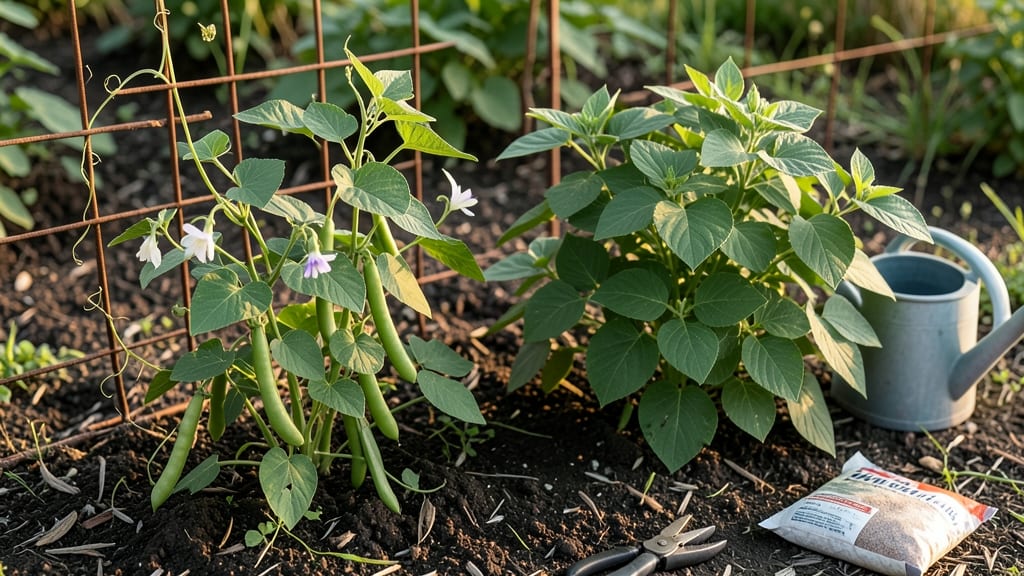
Even a small green bean garden can thrive with compact varieties that produce bountiful harvests in pots or tight rows—no backyard required! 🌱 I’ve grown bush beans in 5-gallon containers on my balcony, and they produced enough for summer meals without. taking up yard space.
The key is choosing the right variety and spacing them properly from the start. You’ll need well-draining soil, full sun (6+ hours daily), and consistent moisture—no fancy equipment required. Bush beans mature in 50-60 days, so they’re perfect for quick harvests.
Trellising isn’t necessary for compact types, but it can double yields if you’re short on space. By mid-summer, you’ll be snapping fresh pods straight from the plant, their crisp texture and sweet flavor beating anything from a store.
Even beginners can nail this—just watch for aphids and keep the soil moist but not soggy. Works for balconies, raised beds, or even window boxes. Let’s get those beans growing!
📚 In This Guide
- What you need
- Instructions
- Tips and common mistakes
- Wrapping up and next steps
What you need
- ● Seeds or Seedlings: Compact green bean seeds (e.g., Blue Lake Bush, Mascotte, or Dwarf Stringless) – 5–10 seeds per container (or 1–2 seedlings per 12" pot).
- ● Containers or Garden Space: Deep containers (minimum 12" deep) with drainage holes (e.g., 5-gallon buckets, fabric grow bags, or raised beds). 1 plant per 4–6 sq ft in-ground.
- ● Soil: Well-draining, nutrient-rich potting mix or garden soil amended with compost (avoid fresh manure—it can burn seedlings!).
- ● Fertilizer: Balanced, low-nitrogen fertilizer (e.g., 5-10-10) or organic options like compost tea or fish emulsion.
- ● Watering Can or Hose: With a gentle spray nozzle to avoid disturbing soil.
- ○ Trellis or Support (Optional for Pole Beans): If growing compact pole varieties, use a 3–4 ft tall trellis, cage, or stakes.
- ● Mulch: Straw or shredded leaves to retain moisture and suppress weeds.
- ● Garden Gloves – To protect your hands while planting.
- ● pH Test Kit – Ensure soil pH is 6.0–7.0 (green beans prefer slightly acidic to neutral soil).
- ● Row Covers or Shade Cloth – For early-season protection from pests or hot sun.
- ● Plant Markers – To label varieties (especially useful if growing multiple types!).
- ● Epsom Salt – A 1 tbsp per plant mid-season boost for magnesium (great for leafy growth!).
Step-by-Step guide to growing compact green beans in small spaces
Here's how I grow bush beans in tight spots—no sprawling vines, just steady harvests in a fraction of the space.
🌱 Step 1: Choose the Right Variety and Planting Spot
Pick a bush bean variety like 'Blue Lake Bush' or 'Contender'—these stay compact at 2-3 feet tall and don't need trellises. Avoid pole beans unless you have vertical space. I plant mine in full sun (6+ hours daily) where soil warms quickly in spring, as beans need at least 60°F soil temperature to germinate.
For small spaces, use containers at least 12 inches deep or mark rows 18 inches apart in raised beds. If planting directly in the ground, till in 2-3 inches of compost—green beans are heavy feeders and won't tolerate poor soil. A soil test for pH between 6.0-7.0 ensures good nutrient uptake.
🌱 Step 2: Prepare Soil and Sow Seeds Correctly
Sow seeds 1 inch deep and 3 inches apart in rows spaced 18 inches apart. I plant 4-5 seeds per foot for a continuous harvest. Space seeds this closely because beans are sensitive to transplanting—once they sprout, moving them stresses the roots. Water the soil 1-2 days before planting to help seeds establish faster.
After planting, water gently but don't soak the soil—beans need consistent moisture but hate soggy roots. Cover seeds with 1/4 inch of fine soil (too much depth delays germination). In cooler climates, use black plastic mulch to warm the soil and speed up sprouting. You'll see first sprouts in 7-14 days—watch for round, pea-like leaves as your signal.
💧 Step 3: Water and Maintain for Healthy Growth
Water 1-1.5 inches per week, keeping soil evenly moist but not waterlogged. I water early morning so foliage dries quickly—wet leaves invite fungal diseases like rust. Drip irrigation works best because it delivers water directly to the roots without wetting the leaves.
When plants reach 6 inches tall, side-dress with 1 tablespoon of 5-10-10 fertilizer per plant (or compost) to encourage bushier growth. Avoid high-nitrogen fertilizers—they produce lots of leaves but few beans. You'll know you're on track when plants develop white flowers followed by tiny green pods within 3-4 weeks of flowering.
✂️ Step 4: Harvest and Encourage Continuous Production
Harvest when pods are 4-6 inches long and firm to the touch—this prevents them from toughening or shattering on the vine. I pick every 2-3 days to keep plants producing. Use clean scissors or fingers to snap pods cleanly at the stem. Regular harvesting also prevents pests like Mexican bean beetles, which target overripe pods.
After the first harvest wave, trim back any yellowing or diseased leaves to improve airflow. If your plants finish producing by midsummer, pull them up and replant with a quick-growing variety like 'Mascotte' for a fall harvest. Bush beans are annuals, so they won't regrow—plan for two plantings per season in warm climates.
⏰ Step 5: Extend the Season with Simple Tricks
For a longer harvest, use row covers in early spring or late fall to protect plants from frost (below 50°F). I also plant succession crops every 2 weeks—this ensures a steady supply instead of one big harvest. In containers, choose compact varieties like 'Provider' that mature in 50-55 days, perfect for small-space gardeners.
At season's end, compost old plants to return nutrients to the soil. Avoid planting beans in the same spot next year—rotate crops to prevent soil-borne diseases. With these methods, I've grown pounds of beans in just 4 square feet—proof that small spaces can deliver big harvests.
Tips & tricks for growing compact green beans in small spaces
Here's what nobody tells you about maximizing your tiny garden's potential—these tricks will help you grow more beans in less space.
Variety Selection: Stick to bush bean varieties like 'Blue Lake Bush' or 'Contender' that stay compact at 2-3 feet tall. These don't need trellises and produce consistently in small spaces. I've found that 'Provider' is particularly good for containers, maturing in just 50-55 days. Avoid pole beans unless you have vertical space—those sprawlers need room to climb.
Soil Preparation: Green beans are heavy feeders, so don't skimp on the soil prep. Mix in 2-3 inches of compost before planting and test your soil pH—it should be between 6.0-7.0. I've learned the hard way that poor soil leads to stunted plants and fewer pods. For containers, use a high-quality potting mix with added compost to ensure proper drainage while providing nutrients.
Planting Strategy: The 18-inch row spacing in Step 1 might seem generous, but trust me—it's crucial. This spacing allows for proper airflow, which prevents fungal diseases. When planting in containers, use at least 12-inch deep pots and plant 4-5 seeds per foot to maximize production. Remember, beans hate being transplanted, so sow directly where they'll grow.
Season Extension: To get a fall harvest, pull up your summer plants and replant with quick-growing varieties like 'Mascotte' about 8-10 weeks before your first frost. Use row covers in early spring or late fall to protect plants from frost below 50°F. I've extended my growing season by nearly 2 months using this simple trick, getting fresh beans almost year-round in my climate.
Pro Tips for Green Bean Grow A Garden
- Here's what nobody tells you about maximizing your tiny garden's potential—these tricks will help you grow more beans...
- Variety Selection: Stick to bush bean varieties like 'Blue Lake Bush' or 'Contender' that stay compact at 2-3 feet ta...
- Soil Preparation: Green beans are heavy feeders, so don't skimp on the soil prep. Mix in 2-3 inches of compost before...
Frequently asked questions
Got questions about growing green beans in small spaces? You're not alone!
Here are some of the most common queries—and answers—to help you cultivate a thriving bean patch, even if your garden is tiny.
What are the best compact green bean varieties for small gardens?
Look for bush bean varieties like 'Blue Lake Bush' or 'Contender,' which grow 18–24" tall and don’t need trellises. For vertical spaces, try pole beans like 'Kentucky Wonder' or 'Rattlesnake'—they climb 6–10 feet but take up minimal ground space. Compact heirlooms like 'Maxibel' are also great for containers!
How long does it take for green beans to grow from seed?
Most green beans sprout in 7–14 days and are ready to harvest 50–60 days after planting, depending on the variety. For faster results, opt for bush beans (they mature quicker than pole beans). Check seed packets for exact timelines—patience pays off with sweet, tender pods!
Can I grow green beans in containers, and what size do I need?
Use 5-gallon buckets or deep pots (12"+ deep) for bush beans, and tall containers (18"+ deep) for pole beans with a trellis. Ensure drainage holes are present, and fill with well-draining soil. Containers work well on patios or balconies—just place them in full sun (6+ hours/day).
What are the most common pests for green beans, and how do I prevent them?
Watch for bean beetles, aphids, and Mexican bean beetles—they love munching on leaves. Use row covers early in the season, handpick pests, or spray with neem oil (a natural insecticide). Crop rotation and healthy soil also deter pests. If leaves look chewed, act fast to protect your harvest!
Can I grow green beans indoors under grow lights?
Yes, but it’s tricky! Green beans need 12+ hours of light daily and warm temperatures (60–75°F). Use a south-facing window or full-spectrum LED grow lights 6–12" above plants. Start with bush beans in small pots, but expect lower yields than outdoor gardens. Ventilation is key to prevent mold—think of it as a mini greenhouse!
Wrapping up and next steps
Growing green beans in small spaces is easier than you think—with the right compact varieties and a little creativity! Whether you’re using containers, trellises, or vertical gardens, you can enjoy a bountiful harvest without sacrificing space. 🌱
Now that you’re armed with tips, FAQs, and all the essentials, it’s time to roll up your sleeves and get planting. Start with one or two varieties, experiment with your setup, and watch your tiny garden thrive. Happy growing—and enjoy those fresh, homegrown beans! 🍃