
Tools
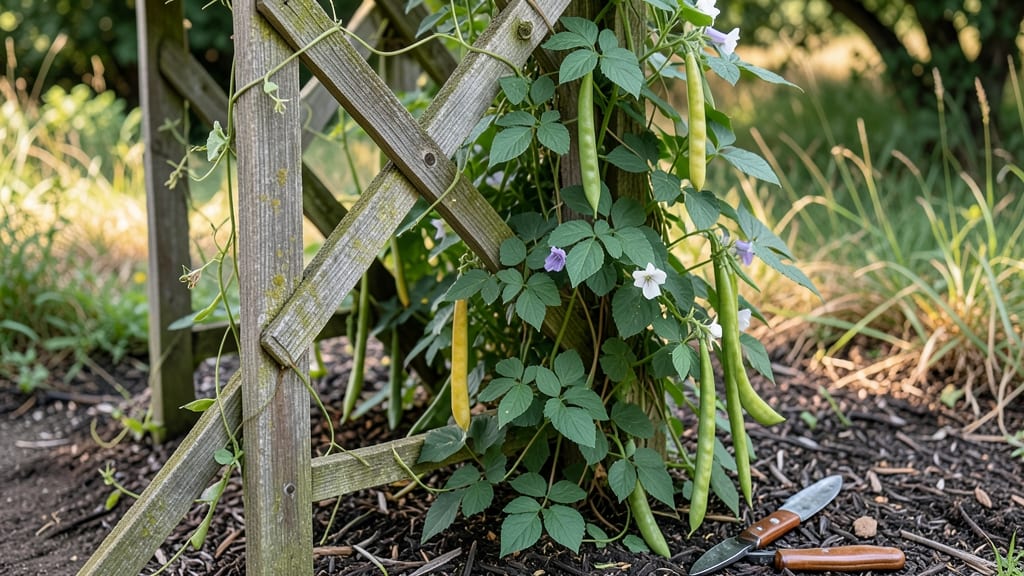
A green bean growing trellis transforms sprawling vines into a vertical feast—watch your beans go from messy tangles to neat, high-yielding rows, and marvel at the harvest boost. The right trellis saves space, improves airflow, and keeps pods clean and easy to pick.
You don’t need fancy materials—simple 6-foot bamboo stakes or powder-coated wire mesh work perfectly. Install yours at 18-inch spacing between supports, and your beans will climb like they’re on a jungle gym. The key is securing the trellis before planting, so vines have something to grab immediately.
By mid-summer, you’ll be harvesting longer, straighter beans with minimal bending. No more digging through tangled vines or missing pods hidden in the dirt. Plus, trellised beans resist rot better and produce 20-30% more than bush varieties in the same space.
Works for pole beans, runner beans, or even dwarf varieties—just adjust height and spacing. Here’s how to set it up without overcomplicating things.
📚 In This Guide
- What you need
- Instructions
- Tips and common mistakes
- Wrapping up and next steps
What you need
- ● Trellis Structure: 4–6 T-posts (5–6 ft tall, galvanized or cedar for durability) OR
- ● 2–4 wooden stakes (2x4s or 4x4s, 6–8 ft long, pressure-treated)
- ● 1–2 horizontal crossbars (2x4 or 1x4 lumber, cut to span between posts, ~6–8 ft long)
- ● Fasteners: Galvanized screws or nails (2–3 inches long, ~12–16 total)
- ● Zip ties (heavy-duty, 10–20 for securing bean vines)
- ○ Optional but Helpful: Twine or jute twine (for tying vines to trellis, ~50 ft)
- ● Wire mesh or netting (for a no-tie trellis option, 1–2 ft wide)
- ● Post caps or decorative accents (to protect wood and add charm)
- ● A sunny spot with at least 6–8 hours of sunlight daily (pole beans thrive in full sun!).
- ● Well-draining soil (amend with compost if needed—beans love nutrients!).
- ● Space for the trellis to span 3–6 feet wide (adjust based on your garden layout).
- ● Pole bean seeds or seedlings (choose varieties like ‘Kentucky Wonder’ or ‘Blue Lake’ for trellising).
Step-by-Step guide to building a sturdy green bean trellis
Here's how to create a reliable support system that maximizes vertical growth and prevents snapped stems.
Choose the Right Location and Materials
Select a site with at least 6 hours of direct sunlight daily—green beans are heavy feeders and need full sun to produce well. I prefer a location near the garden's edge where the trellis won't block sunlight from other plants. For materials, use 4-6 foot tall bamboo stakes, metal T-posts, or sturdy wooden posts—whatever you have on hand. The key is stability; flimsy supports will topple under the weight of a mature plant.
If using bamboo or wooden posts, drive them 6-8 inches deep into the soil for maximum stability. For metal T-posts, pound them until they're firmly anchored. Space your supports 3-4 feet apart in a straight line—this creates a uniform climbing structure that prevents beans from sprawling. I always check for level with a carpenter's level or even a bubble level app on my phone to ensure the trellis won't lean.
Assemble the Trellis Framework
For a simple yet effective design, attach horizontal crossbars between the vertical supports using garden twine, zip ties, or sturdy wire. Space the crossbars 12-18 inches apart vertically—this gives the beans plenty of handholds as they climb. I like to use 3/8-inch diameter twine because it's strong enough to support the weight but flexible enough to adjust as needed.
If you're working with a single row, a zigzag trellis works best. Plant seeds 4-6 inches from the base of the trellis and train the vines to climb in opposite directions. This not only saves space but also creates a natural canopy that shades the soil, reducing water evaporation. Avoid using plastic twine—it can snap under the weight of mature pods, and the beans will fall to the ground.
Plant and Train the Beans
Sow seeds 1 inch deep and 4-6 inches apart at the base of the trellis. Once seedlings reach 4-6 inches tall, gently tie the main stems to the trellis using soft plant ties or even old fabric strips. I avoid wire or zip ties because they can cut into the stems as the plant grows. The goal is to guide the vines upward without restricting growth.
As the plants mature, encourage lateral branches to climb by weaving them around the trellis crossbars. You'll notice the beans naturally seek the highest points—this is their way of reaching for sunlight. If a vine strays too far from the trellis, gently tuck it back into place. Avoid pruning the main stem, as this can reduce yield. Instead, focus on training the side branches to maximize vertical growth.
Maintain and Support Through the Season
Check the trellis weekly for stability, especially after heavy rain or wind. Green beans produce heavy pods, and a well-supported trellis prevents breakage. If you notice the trellis sagging, reinforce it with additional crossbars or tie the main stems more securely. I also like to water at the base rather than overhead to keep the trellis dry and reduce the risk of mold or rot.
Harvest beans every 2-3 days to encourage continuous production. The more you pick, the more the plant will focus on producing new pods rather than letting old ones dry on the vine. If you see pods forming on lower branches but the upper parts are still bare, it might be time to fertilize lightly with a balanced, water-soluble fertilizer. Just be careful not to overdo it—too much nitrogen will promote leafy growth at the expense of pods.
Tips & tricks for perfect green bean trellis construction
A sturdy trellis isn't just about looks—it's the foundation for a thriving green bean harvest. Here's how to avoid common pitfalls and maximize your vertical garden's potential.
Material Stability: When selecting your 4-6 foot tall supports, prioritize weight and depth. I've learned the hard way that bamboo stakes can lean if not driven deep enough—aim for those 6-8 inches into the soil. For extra security, especially in windy areas, consider using metal T-posts which anchor more firmly. The 3-4 foot spacing between supports is crucial too; any wider and your crossbars will sag under the weight of mature pods.
Framework Flexibility: The 12-18 inch spacing between crossbars might seem generous, but it's perfect for accommodating the beans' natural growth patterns. I've found that using 3/8-inch diameter twine creates just the right balance—strong enough to support heavy harvests but flexible enough to adjust as vines grow. Pro tip: Leave a little slack when tying crossbars so they don't cut into the stems as the plants expand. For single rows, that zigzag pattern really works—it creates a natural weave that guides the vines upward while preventing them from tangling.
Plant Training Technique: In Step 3, when you're tying up those 4-6 inch tall seedlings, use soft plant ties or even old fabric strips—wire can actually girdle the stems as they grow. I've seen this cause stunted growth when people use zip ties that tighten over time. The key is to gently weave the vines around the crossbars rather than forcing them. You'll notice the beans naturally spiral upward—this is their natural climbing pattern, and working with it rather than against it leads to stronger plants.
Season-Long Maintenance: That weekly stability check in Step 4 is more important than you might think. I've had trellises collapse during summer storms, and it's heartbreaking to lose a harvest because of flimsy supports. Reinforce sagging areas immediately—don't wait until the next harvest cycle. And remember, those heavy pods are why we need such sturdy structures. Watering at the base rather than overhead keeps the trellis dry and prevents rot in the supports, which can happen surprisingly quickly in humid conditions.
Pro Tips for Green Bean Growing Trellis
- A sturdy trellis isn't just about looks—it's the foundation for a thriving green bean harvest.
- Material Stability: When selecting your 4-6 foot tall supports, prioritize weight and depth.
- Framework Flexibility: The 12-18 inch spacing between crossbars might seem generous, but it's perfect for accommodating the beans' natural growth patterns.
Frequently asked questions
Got questions about growing green beans on a trellis? You’re not alone! Here are some of the most common concerns—and their simple solutions—to help you master this space-saving technique.
What’s the best height for a green bean trellis?
Aim for 5–7 feet tall for pole beans (like Kentucky Wonder) or 3–4 feet for bush varieties. Taller trellises support climbing types better, while shorter ones work for compact gardens. Use sturdy materials like bamboo or metal to prevent sagging under weight!
When should I put up the trellis for green beans?
Install your trellis before planting—about 2–3 weeks ahead—so roots can grow near the support. For cool climates, start trellises in early spring (as soon as soil is workable). In warm zones, set them up when night temps stay above 50°F (10°C).
Can I reuse a trellis for multiple growing seasons?
Wooden or metal trellises last years if stored dry and cleaned after harvest. Avoid plastic if possible—it degrades faster. Just disinfect with a 10% bleach solution between uses to prevent disease. Pro tip: Label your trellis to track its age!
What if my green beans won’t climb the trellis?
Check these fixes:
- Thin plants to 4–6 inches apart for better airflow.
- Use soft twine or netting to gently guide vines upward.
- Ensure the trellis is stable and wide enough—flimsy supports confuse plants.
- Some varieties (like Blue Lake) climb faster than others—choose wisely!
Are there cheap DIY trellis alternatives?
Yes! Try these budget-friendly options:
- Bamboo stakes: Bundle 3–4 stakes into a teepee for bush beans.
- PVC pipes: Cut and secure vertically with zip ties.
- Fence wire: Stretch horizontally between posts for a rustic look.
- Repurposed materials: Old ladders, pallet wood, or even trellis kits from garden centers.
Need more help? Experiment! The key is stability and easy access for harvesting.
Wrapping up and next steps
Growing green beans on a trellis isn’t just a clever way to save space—it’s your ticket to bigger harvests, healthier plants, and easier maintenance! 🌱 Whether you’re a beginner or a seasoned gardener, the right trellis setup transforms your garden into a productive powerhouse.
With the perfect materials, a little patience, and these tips, you’ll be enjoying pole beans that climb, thrive, and reward you with tender, flavorful pods all season long.
Ready to turn your garden into a vertical feast? Start by sketching your trellis design this weekend—then grab your tools and get growing! The sooner you set up, the sooner you’ll be feasting on homegrown goodness. Happy gardening! 🌿