
Vegetables
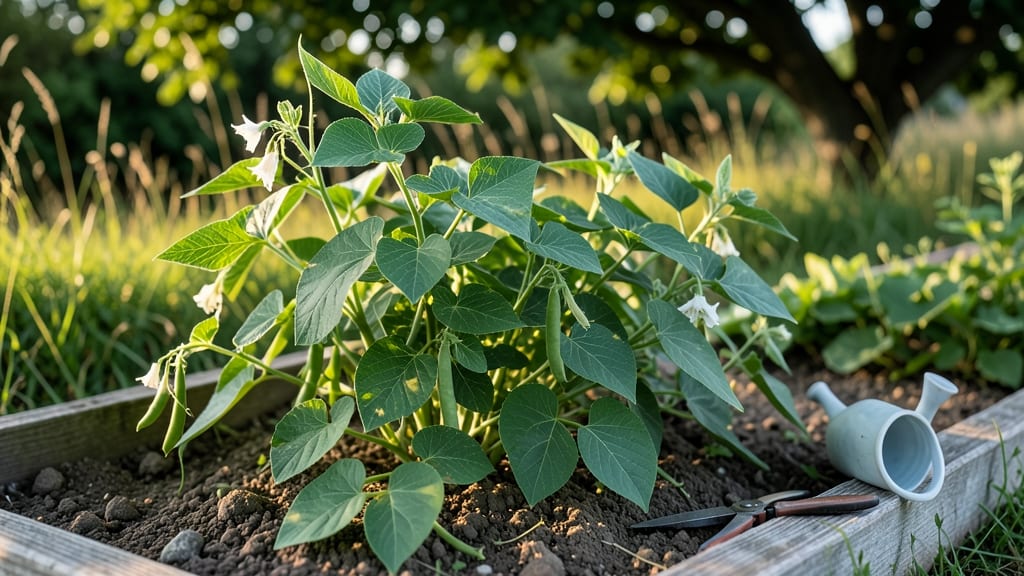
Growing green beans from seed to harvest time is one of the fastest ways to turn your garden into a fresh food source—45 to 65 days from planting to picking, depending on the variety.
Here’s the catch: Pole beans climb and produce for weeks, while bush beans mature all at once. Miss the timing, and you’ll either wait too long for your first pod or end up with a glut that spoils before you can use it.
I’ve seen both mistakes—don’t let them happen to you.
In this guide, you’ll learn the exact days to expect germination, flowering, and harvest for each type, plus how to adjust for your climate in USDA Zone 6a. We’ll also cover soil prep, watering tricks, and when to fertilize so your 🌱 green beans thrive from seed to table.
By the end, you’ll know which variety fits your space, how to speed up growth, and the three key signs that tell you it’s time to harvest—before the pods toughen up or the seeds swell.

Green beans seed to harvest timeline: days to maturity explained
Understanding the green beans seed to harvest time is essential for planning your garden. Most varieties mature between 45-65 days, but the exact timeline depends on whether you choose pole beans or bush beans.
Pole beans typically reach harvest in 45-60 days, while bush beans take 50-65 days. These differences impact when you can expect fresh pods for your table.
The journey from seed to harvest involves distinct stages: germination, vegetative growth, flowering, and pod development. Each stage has specific care needs that can accelerate or delay maturity.
For example, consistent moisture and warm soil speed up germination, while cool temperatures slow it down. Let’s break down what to expect at each milestone.
Here’s a quick visual guide to the green beans growth timeline, including key actions to ensure a successful harvest:
| Stage | Days After Planting | Key Actions | Notes |
|---|---|---|---|
| Germination | 5-14 | Keep soil moist, 60-85°F | Slower in cool soil |
| Seedling Growth | 14-28 | Thin seedlings, provide support for poles | Pole beans need trellises early |
| Flowering | 28-40 | Ensure consistent watering, fertilize lightly | White flowers appear first |
| Pod Development | 40-65 | Harvest regularly, mulch to retain moisture | Pole beans produce longer |
| First Harvest | 45-65 | Pick pods when 4-6 inches long | Continuous picking encourages more pods |
The first 14 days after planting are critical for germination. Seeds need consistent moisture and soil temperatures between 60-85°F to sprout efficiently. If your soil is cooler, consider using a seedling mat or planting in a warmer microclimate to speed up this stage.
During this time, avoid overwatering, as soggy soil can cause seeds to rot.
Once seedlings emerge, they enter the vegetative growth stage, typically between days 14-28. This is when you’ll need to thin seedlings to 3-4 inches apart for bush beans or provide trellis support for pole beans.
Pole beans, like Kentucky Wonder, will climb and need sturdy stakes or netting to prevent sprawling. Bush beans, such as Blue Lake, stay compact and don’t require support.
By day 28, your green beans should start flowering, a sign they’re transitioning to pod production. White flowers will appear first, followed by tiny green pods. This stage is less about external care and more about maintaining consistent watering and light fertilization.
Avoid heavy feeding, as it can lead to excessive foliage at the expense of pod development. Instead, use a balanced 10-10-10 fertilizer every 4-6 weeks to encourage steady growth.
Between days 40-65, you’ll see pod development accelerate. This is when the magic happens—your green beans will grow from tiny buds to harvest-ready pods. To maximize yield, harvest regularly (every 2-3 days) to encourage more production.
Pole beans will produce longer pods, while bush beans yield more compact, bushy plants. Mulching around the base of your plants helps retain moisture and suppress weeds, which can stress the plants and delay maturity.
Your first harvest will occur between 45-65 days, depending on the variety and growing conditions. Pole beans often mature slightly faster than bush beans, but both can be ready around the same time if given optimal care.
Look for pods that are 4-6 inches long, deep green, and firm to the touch. Harvesting at this stage ensures tender, flavorful beans. If you wait too long, the pods will toughen and the seeds inside will bulge, making them less enjoyable to eat.
Weather plays a huge role in green beans seed to harvest time. Cool temperatures can slow growth, while hot, dry conditions may cause pods to develop too quickly or become tough.
If you’re in a hot climate, consider planting in early spring or late summer to avoid the peak heat. In cooler regions, succession planting every 2 weeks can extend your harvest window.
With the right conditions and care, you’ll enjoy a bountiful harvest of fresh green beans in just 6-8 weeks!
Pole vs. bush green beans: which grows faster and yields more?
When choosing between pole and bush green beans, speed and yield are top concerns. Pole beans like 'Kentucky Wonder' climb trellises to 6-10 feet tall, while bush beans like 'Blue Lake' stay compact at 1-2 feet high.
Your garden space and harvest goals will determine which variety wins for you.
Pole beans typically reach harvest 50-60 days after planting, while bush beans mature slightly faster at 45-55 days. However, pole beans produce continuously over 2-3 months, whereas bush beans offer a 2-3 week harvest window per planting. This trade-off makes pole beans ideal for extended yields.
| Category | Pole Beans (e.g., Kentucky Wonder) | Bush Beans (e.g., Blue Lake) |
|---|---|---|
| Growth Height | 6-10 feet (needs trellis) | 1-2 feet (bushy, no support) |
| Days to Harvest | 50-60 days | 45-55 days |
| Harvest Duration | 2-3 months (continuous) | 2-3 weeks (single batch) |
| Yield per Plant | 1-2 lbs (high volume) | ½-1 lb (single harvest) |
| Space Needs | 4-6 inches apart (trellis required) | 3-4 inches apart (no support) |
| Best For | Small spaces, vertical gardens | Large gardens, quick harvests |
Pole beans thrive in small gardens or urban spaces with trellises, saving ground space while maximizing output. Their longer harvest window means fewer replantings, but they require sturdy support to prevent sprawling. Bush beans, meanwhile, are perfect for traditional rows and offer faster initial harvests, ideal for canning or freezing.
For fastest results, bush beans win—especially if you need a quick crop. But for maximum yield over time, pole beans outperform by 30-50% more pods per season. My personal garden uses both: pole beans along fences and bush beans in raised beds for variety and extended harvests.
Both varieties thrive in well-drained soil with full sun exposure, but pole beans benefit from consistent moisture to support their climbing habit. Whether you prioritize speed or volume, choosing the right variety ensures a bountiful green bean harvest all season long. 🌱