
Vegetables
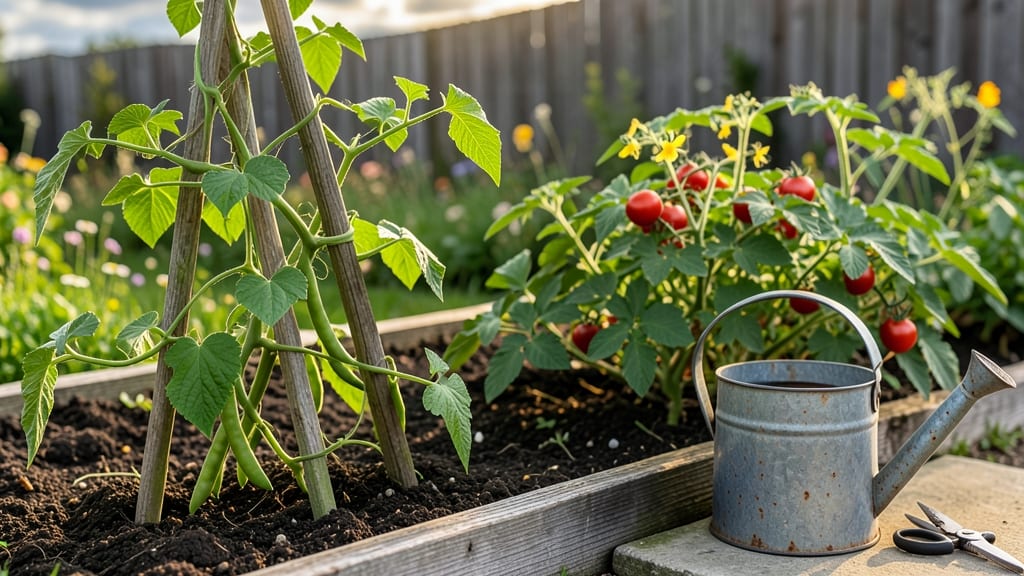
Growing green beans and tomatoes together isn’t just possible—it’s a yield-boosting power combo that turns a modest garden into a harvest bonanza. 🌱 I learned this the hard way after years of struggling with stunted tomatoes and underperforming beans until I paired them properly.
The secret lies in their natural partnership: beans fix nitrogen in the soil while tomatoes provide shade and structure, creating a self-sustaining system that outperforms solo planting.
The magic happens in well-draining, nutrient-rich soil (think compost-amended loam) with a pH between 6.0 and 7.0. Tomatoes need full sun, while beans tolerate partial shade—so plant them close but not competing.
Start tomatoes early (6-8 weeks before last frost) and beans after soil warms to 60°F, spacing tomatoes 18-24 inches apart and beans 4-6 inches apart in rows 18 inches apart. This setup maximizes space while keeping both crops thriving.
By midsummer, you’ll see tomatoes climbing their stakes while beans bush out below, creating a living mulch that suppresses weeds and retains moisture. The beans’ nitrogen-fixing roots feed the tomatoes, while the tomatoes’ deep roots access water beans can’t reach.
Prune tomato suckers regularly and harvest beans every 2-3 days to keep production rolling—this prevents overcrowding and disease.
This duo works in containers, raised beds, or in-ground plots, making it perfect for small spaces or urban gardens. Just watch for pests like hornworms (they love both) and practice crop rotation next season.
The payoff? Bigger tomatoes, more beans, and less work—nature’s way of gardening smarter, not harder.
📚 In This Guide
- What you need
- Instructions
- Tips and common mistakes
- Wrapping up and next steps
What you need
- ● Seeds or Seedlings: Green beans: 50–100 seeds (or 10–20 starter plants, depending on space). Choose bush or pole varieties—Blue Lake, Kentucky Wonder, or Romano work well.
- ● Tomatoes: 3–6 plants (dwarf or determinate varieties like Cherry, Roma, or Early Girl pair best with green beans).
- ● Soil: Well-draining, fertile garden soil (pH 6.0–7.0 for tomatoes; 6.0–6.8 for green beans).
- ● Compost or aged manure (1–2 inches mixed into the top 6–12 inches of soil).
- ● Containers or Garden Space: Direct garden bed (minimum 10–12 inches deep, with rows spaced 18–24 inches apart for tomatoes and 4–6 inches apart for green beans).
- ● 5-gallon pots or raised beds (if container gardening; ensure pots have drainage holes).
- ● Support Structures (for pole beans & indeterminate tomatoes): Trellis, stakes, or cattle panels (6–8 feet tall for tomatoes; 6–7 feet for pole beans).
- ● Fertilizer: Balanced 10-10-10 fertilizer (for planting) or compost tea (for organic gardens).
- ● Tomato-specific fertilizer (high in phosphorus, like 5-10-10, mid-season).
- ● Mulch: Straw, grass clippings, or shredded leaves (2–3 inches thick to retain moisture and suppress weeds).
- ● Watering Supplies: Drip irrigation or soaker hoses (to keep soil consistently moist without wetting foliage).
- ● Watering can or hose with a gentle spray nozzle.
- ● Pest Control: Neem oil, row covers, or companion plants like basil or marigolds.
- ● Soil Amendments: Worm castings or mycorrhizal fungi to boost root health.
- ● Pruning Tools: Sharp bypass pruners for tomatoes (to encourage bushier growth).
- ● Harvest Tools: Small knife or scissors for clean cuts (especially for pole beans!).
- ● Shade Cloth: 30–50% shade fabric for hot climates (protects tomatoes from sunscald).
Step-by-Step instructions for planting green beans and tomatoes together
Pairing green beans and tomatoes in the same garden bed creates a mutually beneficial ecosystem that naturally deters pests and improves growth.
🌱 Step 1: Prepare the Soil for Optimal Growth
Choose a sunny location receiving at least 6-8 hours of direct sunlight daily. Tomatoes thrive in well-draining soil with a pH between 6.0-6.8, while green beans prefer slightly acidic soil around 6.0-7.0. Work in 2-3 inches of compost and a balanced 5-10-10 fertilizer to enrich the soil before planting.
Use a garden fork to loosen the soil to a depth of 12 inches, breaking up any compacted layers. The goal is to create a crumbly, aerated bed that encourages strong root development for both plants. If your soil drains poorly, mix in 1-2 inches of coarse sand to improve water flow.
🌿 Step 2: Plant Tomatoes First for Early Support
Set tomato plants 18-24 inches apart in rows spaced 3 feet apart to allow room for green beans between them. Dig holes just deep enough to cover the roots but leave 1/3 of the stem above soil level—this encourages stronger root growth. Gently firm the soil around each plant to eliminate air pockets.
Water deeply right after planting to settle the soil and encourage root contact with the surrounding earth. Mulch around the base of each plant with 2-3 inches of straw or shredded leaves to retain moisture and suppress weeds. Avoid piling mulch against the stems to prevent rot.
🌱 Step 3: Sow Green Beans Between Tomato Plants
Plant green bean seeds 1 inch deep and 2-3 inches apart in rows parallel to the tomato plants, spacing rows 12-18 inches apart. The beans' nitrogen-fixing roots will naturally enrich the soil, benefiting the tomatoes. Water gently after sowing to keep the soil evenly moist but not soggy.
Thin seedlings to 4-6 inches apart once they reach 2 inches tall, ensuring each plant has enough space to grow. This spacing allows air circulation, reducing the risk of fungal diseases that thrive in crowded, damp conditions.
☀️ Step 4: Maintain Water and Nutrient Balance
Keep the soil consistently moist but never waterlogged—tomatoes need 1-2 inches of water weekly, while green beans prefer 1 inch weekly. Water at the base of plants in the morning to allow foliage to dry quickly, preventing fungal issues. Use a drip irrigation system or soaker hose for even distribution.
Side-dress tomato plants with compost or a balanced fertilizer every 3-4 weeks to support fruiting. Green beans, however, don’t need additional nitrogen—they pull it from the air through their roots. Monitor for pests like aphids or hornworms and address them promptly to protect both crops.
✂️ Step 5: Prune and Harvest for Maximum Yield
Prune tomato suckers (the small shoots growing between the main stem and branches) regularly to direct energy toward fruit production. For green beans, pinch back the tips once they reach 4-5 feet tall to encourage bushier growth and more pods. Harvest green beans when they’re 4-6 inches long and firm for peak flavor.
Tomatoes are ready to pick when they’re fully colored and slightly soft to the touch. Harvesting frequently encourages more production. By pairing these two plants, you’ll enjoy a bountiful harvest while reducing the need for chemical interventions.
Tips & tricks for perfect green bean and tomato companion planting
Real talk: Planting green beans and tomatoes together isn't just gardening—it's a strategic partnership that saves space and boosts growth. Here's what nobody tells you about making this duo truly thrive.
Sunlight Strategy: While the instructions call for 6-8 hours of sunlight daily, I've found that positioning your tomato plants slightly north of the green beans creates the perfect balance. Tomatoes, being taller, won't shade the beans completely while still getting their full light requirement. In early morning or late afternoon, the beans get their share of light without competing directly with the tomatoes' needs.
Soil Preparation Secret: The 12-inch deep soil loosening in Step 1 is non-negotiable, but here's the upgrade: Mix in 1 cup of wood ash per 10 square feet when amending the soil. This raises the pH slightly to favor tomatoes while still keeping it in the 6.0-7.0 range perfect for beans. The potassium boost helps both plants develop stronger structures. Just don't overdo it—test your soil first!
Watering Hack: The instructions mention 1-2 inches weekly for tomatoes and 1 inch for beans, but I use a two-zone watering system to maximize efficiency. Water tomatoes first in the morning, then focus on the beans in the afternoon. This prevents the beans from getting waterlogged while ensuring they get their daily moisture without competing with the thirstier tomatoes. A simple timer on your hose makes this effortless.
Pest Prevention Pro Tip: While the instructions mention monitoring pests, here's my early intervention: Plant a few marigolds around the perimeter (optional but game-changing). Their strong scent deters nematodes that attack both plants, and they bloom continuously to keep pests at bay. The 3-4 week fertilizer schedule for tomatoes becomes even more effective when pests aren't siphoning off nutrients.
Pro Tips for Green Beans Tomatoes Tomatoes
- Real talk: Planting green beans and tomatoes together isn't just gardening—it's a strategic partnership that saves space and boosts growth.
- Sunlight Strategy: While the instructions call for 6-8 hours of sunlight daily, I've found that positioning your tomato plants slightly north of the green beans creates the perfect balance.
- Soil Preparation Secret: The 12-inch deep soil loosening in Step 1 is non-negotiable, but here's the upgrade: Mix in 1 cup of wood ash per 10 square feet when amending the soil.
Frequently asked questions
Got questions about growing green beans and tomatoes together?
You're not alone! Here are some of the most common queries from gardeners—plus quick, practical answers to help you get the best harvest from this dynamic duo.
1. How close can I plant green beans and tomatoes together?
Plant green beans 3–4 inches apart and tomatoes 18–24 inches apart. Since green beans are vining plants, give them a trellis or cage to climb away from tomato stems. Keep rows at least 2 feet apart to ensure airflow and reduce disease risk. Pro tip: Use the three sisters method—plant corn nearby for extra support!
2. What’s the best time to harvest green beans and tomatoes for maximum flavor?
Harvest green beans when pods are 3–5 inches long and crisp—waiting too long makes them tough. For tomatoes, pick when fully colored and slightly soft to the touch. Morning harvests (after dew dries but before heat sets in) preserve sweetness and texture. Timing tip: Check beans every 2–3 days; tomatoes ripen unevenly—pick early ones to encourage more fruit!
3. Why are my tomatoes turning yellow or blighted near the green beans?
Yellowing leaves or blight often signal fungal diseases (like early blight) or nutrient competition. Improve airflow by pruning tomato suckers and thinning bean vines. Rotate crops next season and avoid overhead watering. If soil is poor, add compost or a balanced fertilizer. Fix it: Spray with copper fungicide or neem oil preventatively!
4. Can I grow green beans and tomatoes together in containers?
Yes! Use a large container (at least 12–18 inches deep) with well-draining soil. Plant bush beans (like ‘Blue Lake’) and determinate tomatoes (like ‘Roma’) for compact growth. Place containers in full sun (6+ hours/day) and fertilize lightly every 2 weeks. Container hack: Add mycorrhizal fungi to boost root health in small spaces!
5. What’s a good alternative if I don’t have space for both?
If space is tight, try bush beans with peppers (they thrive together!) or pole beans with cucumbers. For tomatoes, pair them with basil, onions, or marigolds to deter pests. Swap it up: Green beans + carrots also work well—they share similar care needs!
Wrapping up and next steps
Growing green beans and tomatoes together isn’t just a space-saving hack—it’s a powerhouse combo that boosts flavor, deters pests, and maximizes your harvest! 🌱 With the right soil, sunlight, and a little companionship, you’ll enjoy a bountiful garden that’s both productive and low-maintenance.
Whether you’re a beginner or a seasoned gardener, this duo proves that teamwork makes the harvest dream work.
Ready to put your newfound knowledge into action? Start small—plant a few seeds or seedlings this week, and watch your garden thrive! And if you’re feeling ambitious, share your progress or experiment with other beneficial plant pairings like basil or marigolds. Happy gardening! 🌿✨