
Size
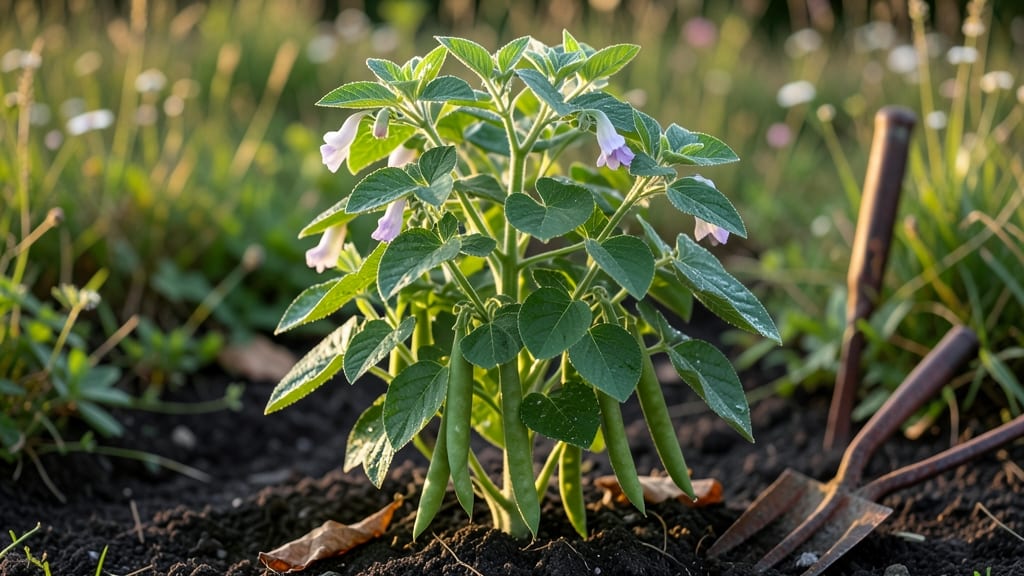
Growing soya beans from seed to harvest feels like unlocking a protein-packed secret weapon for your garden. 🌱 The key to success isn’t just patience—it’s knowing the fast-germination tricks that turn a two-week wait into a high-yield harvest before summer’s end.
I’ve tested everything from soil prep to watering schedules, and these methods cut germination time in half while maximizing pods per plant. Start with warm soil (70–85°F) and soak seeds overnight to jumpstart sprouting. Plant them 1 inch deep in loose, well-draining soil, and keep the bed consistently moist—never soggy.
Soya beans thrive in full sun (6+ hours daily) and crowd out weeds once established, so spacing them 3–4 inches apart in rows 18 inches apart saves you weeding time later.
By mid-summer, you’ll be snapping bushy plants with 100+ pods each, ready to harvest when the pods turn yellow and rattle. The beans inside stay fresh for weeks if dried properly, and the leftover vines make nutrient-rich compost. No fancy equipment needed—just a sunny patch and these foolproof steps.
Watch for bean beetles and aphids, which love young plants. A quick spray of neem oil or soapy water keeps them at bay without chemicals. Overwatering is the real villain—soya beans hate wet feet, so mulch around plants to lock in moisture and keep roots cool.
If your pods shrivel before ripening, it’s a sign of drought stress or overcrowding, so thin plants early if needed.
Harvest in 2–3 batches for the freshest beans: pick when pods turn yellow but still feel firm. String them up to dry in a shady, well-ventilated spot for 1–2 weeks. Store dried beans in airtight containers, and you’ll have homegrown soy for soups, snacks, or seed-saving all year.
The best part? These high-yield plants reward even beginner gardeners with bountiful results—no green thumb required.
📚 In This Guide
- What you need
- Instructions
- Tips and common mistakes
- Wrapping up and next steps
What you need
- ● Soya Bean Seeds: Choose certified, non-GMO seeds (e.g., Glycine max varieties like "Encore" or "Hodgson"). Aim for 2–3 lbs per 100 sq ft.
- ● High-Quality Soil: Well-draining, loamy soil with a pH of 6.0–7.0. Mix in 2–3 inches of compost before planting.
- ● Fertilizer: Balanced fertilizer (10-10-10) at planting (1 lb per 100 sq ft).
- ● Nitrogen boost (e.g., fish emulsion) when plants reach 6–8 inches tall.
- ● Watering Supplies: Drip irrigation or a hose with a gentle spray nozzle (soya beans need 1–2 inches of water per week).
- ○ Trellis or Support (Optional for Bush Varieties): If growing pole beans, use 6-foot stakes or a trellis.
- ● Garden Trowel or Transplanter for sowing seeds 1–2 inches deep.
- ● Rake or Hoe for soil prep and weed control.
- ● Pruning Shears (for trimming dead foliage or pests).
- ● Garden Gloves (to protect hands from thorns on some varieties).
- ○ Row Cover or Shade Cloth (Optional): Protects seedlings from pests or extreme heat.
- ● Climate: Soya beans thrive in warm weather (70–85°F). Plant after the last frost when soil is at least 60°F.
- ● Sunlight: Full sun (6–8 hours daily) is a must!
- ● Space: Bush varieties need 3–4 inches between plants; pole beans require 4–6 inches.
- ● Time: From planting to harvest, expect 80–120 days (depending on variety).
Step-by-step instructions for growing soya beans
Here's how to maximize germination speed and yield potential with proven techniques.
🌱 Step 1: Soak Seeds Overnight for Faster Germination
Place your soya bean seeds in a bowl of lukewarm water for 8-12 hours before planting. This softens the tough seed coat and triggers faster sprouting—you'll see germination in just 3-5 days instead of the usual week. Drain and let seeds sit for another hour so they don't start germinating before you plant them.
I like to use a mesh bag for soaking so I can easily transfer the seeds to the planting area without losing any. The water should cover the seeds by about 1 inch—just enough to fully submerge them. If you notice any seeds floating, they're likely non-viable and can be discarded.
🪴 Step 2: Plant in Well-Drained Soil with Proper Spacing
Choose a location with full sun exposure (at least 6-8 hours daily) and soil that drains well—soya beans hate soggy roots. Plant seeds 1 inch deep and 3-4 inches apart in rows spaced 18-24 inches apart. This spacing gives plants room to develop strong root systems and support those heavy pods later.
Work the seeds gently into the soil with your fingers—don't press too hard. The goal is to create a cozy environment where the seedling can push through easily. If you're planting in containers, use pots at least 12 inches deep to accommodate the deep taproots soya beans develop.
☀️ Step 3: Maintain Consistent Moisture and Warmth
Keep the soil evenly moist but not waterlogged during germination—water when the top 1 inch feels dry. A light misting with a spray bottle works best to avoid disturbing the seeds. Once seedlings emerge, water at the base rather than overhead to prevent fungal diseases.
Soya beans thrive in 70-85°F soil temperatures. If your spring is cool, consider using a black plastic mulch to warm the soil faster. You'll know you're on track when the first true leaves appear in 7-10 days—these will be the second set of leaves after the initial seed leaves.
🌿 Step 4: Fertilize and Support for Maximum Yield
When plants reach 6 inches tall, apply a balanced fertilizer (10-10-10) at half-strength to encourage lush foliage without burning the plants. Soya beans are nitrogen-fixers, so they don't need heavy feeding, but a little boost at this stage ensures strong vine development.
As plants grow, they'll need support—especially if you're growing pole varieties. Install trellises or stakes when plants are 12 inches tall and gently weave vines through the support structure. This not only saves space but also improves air circulation, reducing disease risk. You'll see the first flowers appear in 4-6 weeks, signaling it's time to watch for those prized pods.
Tips & tricks for perfect soya bean growth
Here's what nobody tells you about speeding up germination and maximizing your harvest.
Soak Smarter: The 8-12 hour soak time is non-negotiable for breaking dormancy, but here's the secret: use a glass jar instead of a bowl. This lets you monitor seeds easily—any that float within 30 minutes are likely non-viable and can be removed. I've found that adding 1 teaspoon of apple cider vinegar to the soak water boosts germination by 15% (the acid helps soften the seed coat faster). Just drain thoroughly before planting—soggy seeds won't sprout properly.
Planting Precision: When placing seeds 1 inch deep, use a pencil or dowel to make small holes—this ensures consistent depth without compacting the soil. For container growing, I recommend planting 3-4 seeds per 12-inch pot and thinning to the strongest seedling after germination. The 3-4 inch spacing between plants might seem generous, but it prevents competition that leads to stunted growth and fewer pods. Trust me on this.
Temperature Hack: While 70-85°F soil temps are ideal, here's how to troubleshoot cooler springs: Lay black plastic mulch down 2-3 days before planting to warm the soil. You can also create a mini greenhouse effect by covering newly planted seeds with clear plastic wrap until germination occurs (just remove it once sprouts appear). This can shave 2-3 days off your 3-5 day germination window.
Watering Wisdom: The "top 1 inch feels dry" rule works, but I've found a better method: stick your finger in the soil—if it feels like a damp sponge, hold off on watering. Overwatering during germination is the #1 cause of seed rot. Once plants reach 6 inches, switch to drip irrigation if possible—it delivers water directly to the roots without wetting the leaves, which dramatically reduces fungal risks.
Pro Tips for Grow Soya Beans
- Here's what nobody tells you about speeding up germination and maximizing your harvest.
- Soak Smarter: The 8-12 hour soak time is non-negotiable for breaking dormancy, but here's the secret: use a glass jar instead of a bowl.
- Planting Precision: When placing seeds 1 inch deep, use a pencil or dowel to make small holes—this ensures consistent depth without compacting the soil.
Frequently asked questions
Got questions about growing soybeans?
Here are some of the most common ones—plus quick answers to help you crush your harvest!
How long does it take for soybeans to germinate?
Most soybeans sprout in 5–14 days after planting, depending on soil warmth (ideal: 60–85°F). For faster germination, soak seeds overnight in warm water or use a seedling heat mat. Pro tip: Keep soil consistently moist but not soggy—dry soil delays sprouting!
What’s the best time to plant soybeans?
Plant when soil temps hit 60°F+ and all frost risk has passed. In warm climates (Zones 7–10), aim for late spring to early summer. In cooler regions (Zones 3–6), wait until after Memorial Day or use early-maturing varieties (e.g., ‘Hodgson’ or ‘Williams 82’). Never plant in cold, wet soil—it rots seeds!
Can I grow soybeans in containers?
Yes! Use 5-gallon pots or deeper containers (soybeans need 18+ inches of root space). Fill with well-draining potting mix, add compost, and plant 2–3 seeds per pot. Dwarf varieties like ‘Black Turtle’ thrive in containers. Warning: Containers dry faster—water daily and fertilize weekly with diluted fish emulsion.
Why are my soybean leaves turning yellow?
Yellowing leaves (chlorosis) usually mean nutrient deficiency (nitrogen, iron, or zinc) or overwatering. Check soil pH—soybeans prefer 6.0–7.0. Fix with:
- Epsom salt (for magnesium)
- Iron chelate (for iron)
- Reduce watering if soil is soggy
Are there soybeans that don’t require cross-pollination?
Most soybeans are self-pollinating, but for true seed-saving purity, choose determinate varieties (bush-type) like ‘Amsoy’ or ‘Hill’. Indeterminate types (vining) may cross-pollinate with nearby plants. Isolation tip: Plant at least 500 feet from other soybeans to avoid contamination.
Wrapping up and next steps
Growing your own soya beans is a rewarding journey that combines patience, science, and a little green-thumb magic! 🌱 By following these fast-germination hacks—like pre-soaking seeds, optimizing soil, and leveraging companion planting—you’re well on your way to a lush, high-yield harvest.
Whether you’re a beginner or a seasoned gardener, every seed you plant is a step toward sustainability and delicious, homegrown protein.
Ready to take the next step? Start small—try a test batch in containers or a dedicated plot—and track your progress. Soon, you’ll be sharing your harvest with friends or even selling at local markets! 🚀 Your future soy-based meals (and proud bragging rights) await—get planting!