
Container Gardens
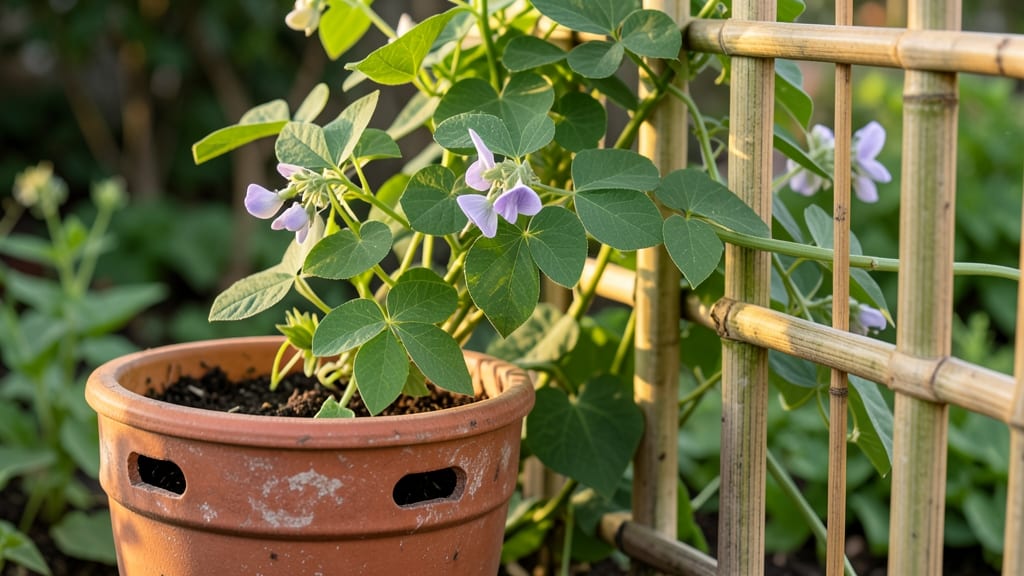
Broad beans thrive in pots—no garden needed. 🌱 I’ve grown them in containers for three seasons now, and the secret lies in the right pot size, soil, and a little patience for their slow-but-steady growth.
These beans aren’t just space-efficient; they produce tender pods for months, even in small urban yards or balconies.
The key is 10-12 inches of depth in your pot—broad beans need room for their long roots. Use well-draining potting mix with compost, and plant two or three seeds per pot, spaced 2 inches apart.
They love full sun (6+ hours daily) but tolerate partial shade in hot climates. Water when the top inch of soil feels dry, and watch for wilting—broad beans hate soggy roots.
By late spring, you’ll see those first velvety pods forming, packed with sweet, buttery beans. The plants even self-support as they grow, so no staking is needed.
Just keep an eye out for aphids (a quick spray of soapy water fixes that) and overcrowding—thin to the strongest plant per pot once they’re 4 inches tall.
This method works year-round in mild climates, or start seeds indoors in winter for an early harvest. The beans keep producing until frost, giving you a steady supply of fresh, homegrown protein—no grocery store needed. Ready to try it?
📚 In This Guide
- What you need
- Instructions
- Tips and common mistakes
- Wrapping up and next steps
What you need
- ● Containers: At least 2-3 pots per plant (5+ gallons each, or 12"+ deep and 12"+ wide).
- ● Drainage holes (non-negotiable! Use a drill if needed).
- ● Lightweight materials: Fabric grow bags, plastic, or ceramic (avoid heavy clay for portability).
- ● Growing Medium: Well-draining potting mix (avoid garden soil—it compacts!). Mix with 20-30% perlite or vermiculite for aeration.
- ○ Optional boost: Add compost or worm castings (1 cup per 5 gallons of mix) for nutrients.
- ● Seeds: Broad bean seeds (varieties like 'Aquadulce Claudia' or 'The Sutton'—choose dwarf or semi-dwarf for pots).
- ● Quantity: 2-3 seeds per pot (thin to 1-2 strongest seedlings).
- ● Support: Trellis or stakes (3-4 ft tall for climbing varieties; bamboo stakes or wire mesh work great).
- ● Basic Tools: Hand trowel or small spade.
- ● Watering can with a rose attachment (for gentle watering).
- ● Pruning shears (for harvesting or trimming).
- ● Fertilizer: Slow-release granular fertilizer (like 10-10-10) or liquid seaweed extract (feed every 4-6 weeks).
- ● Mulch: Straw or shredded leaves to retain moisture and suppress weeds.
- ● pH Test Kit: Broad beans prefer 6.0-7.5 pH; adjust with lime (to raise) or sulfur (to lower) if needed.
- ● Self-watering system: A reservoir or drip irrigation for busy gardeners.
- ● Garden gloves: Protect your hands from prickly bean pods!
Step-by-Step instructions for growing broad beans in containers
Here's how to grow these hardy legumes in pots for a steady supply of fresh beans all season long.
🪴 Step 1: Choose the Right Containers and Soil
Broad beans need sturdy support and room to grow. Use 5-gallon pots or larger with drainage holes—these plants develop deep roots and heavy pods. I like to use fabric grow bags because they're lightweight and allow excess water to escape while still providing structure.
Fill the bottom third of the pot with a mix of 1 part perlite and 1 part coarse sand to improve drainage. Then add high-quality potting mix enriched with compost. Broad beans thrive in slightly acidic to neutral soil with a pH between 6.0 and 7.5. Test your soil if possible—beans are sensitive to alkaline conditions.
🌱 Step 2: Plant Seeds Properly for Strong Stems
Broad beans have large seeds, so plant them 2 inches deep and 4 inches apart in each pot. You can fit 2-3 plants per 5-gallon container, but don't crowd them—overcrowding leads to weak stems and poor pod development. I like to soak the seeds overnight before planting to speed up germination.
After planting, water gently but thoroughly until water runs out the drainage holes. Keep the soil consistently moist but never soggy—broad beans hate wet feet. Place a small stake next to each seed to mark its location, as they take 10-14 days to sprout. You'll know germination is successful when the first true leaves appear, which look like small, pointed ovals.
☀️ Step 3: Provide Support and Optimal Light
Broad beans need 6-8 hours of direct sunlight daily for best growth. Place your pots in a sunny spot where they'll get morning sun and afternoon shade if your climate is very hot. If you're growing them indoors near a window, supplement with a grow light to prevent leggy growth.
Once seedlings reach 6 inches tall, install a 5-foot-tall trellis or sturdy stakes in the center of each pot. Broad beans are climbers—they'll twine their stems around support naturally. If you notice stems growing too long before reaching the trellis, gently weave them upward yourself. This encourages stronger, more productive plants.
💧 Step 4: Water and Fertilize for Continuous Harvests
Water your broad beans when the top inch of soil feels dry to the touch. These plants are drought-tolerant once established, but consistent moisture is key during flowering and pod development. I water deeply in the morning to allow excess moisture to evaporate during the day, preventing fungal issues.
Feed your plants every 4-6 weeks with a balanced organic fertilizer (10-10-10 ratio). Broad beans are nitrogen-fixers, so they don't need heavy feeding, but a light application encourages better pod production. Stop fertilizing once pods begin to form—too much nitrogen leads to leafy growth at the expense of beans.
✂️ Step 5: Harvest and Maintain for Year-Long Production
Harvest broad beans when pods are 3-4 inches long and firm to the touch. You'll know they're ready when the pods start to bulge slightly and the beans inside rattle when shaken gently. Use sharp scissors to cut stems to encourage more production.
After the first harvest, continue to pick beans regularly—this stimulates the plant to produce more. If you notice any yellowing leaves, trim them back immediately to redirect the plant's energy. Broad beans are cool-season crops, so in warm climates, provide afternoon shade during peak summer months to prevent stress. With proper care, your container-grown broad beans can produce for 8-10 weeks or longer.
Tips & tricks for growing broad beans in containers
Real talk: Container gardening with broad beans is all about setting up the right foundation—here's what nobody tells you.
Container Size Matters: While 5-gallon pots work, I've found that 7-gallon containers give you more room for root development and can support 3-4 plants instead of just 2-3. The extra space means fewer competition issues between plants, which translates to healthier stems and better pod production. If you're short on space, go vertical with hanging fabric pots—they're perfect for balconies and use gravity to keep roots aerated.
Germination Hack: That overnight seed soak in Step 2? I double the time—24 hours—for seeds that feel particularly hard or old. The extra hydration jumpstarts germination, and I've seen sprouts appear in just 7-10 days instead of the full 14. Pro tip: Use lukewarm water (not hot) and add a pinch of seaweed extract to boost early growth. Just don't let the seeds dry out during soaking.
Lighting Strategy: The 6-8 hours of sunlight requirement can be tricky in apartments. If you're growing indoors, position pots within 12 inches of a south-facing window and rotate them daily for even growth. For grow lights, use a full-spectrum LED on a timer for 12-14 hours/day—broad beans appreciate the extra light, especially when flowering. I've had success with simple clip-on lights for $20 that make a huge difference.
Harvesting Secret: When checking for readiness in Step 5, give the pods a gentle squeeze—they should feel firm but slightly yielding, like a ripe avocado. If they're rock-hard, they're past their prime; if they're too soft, they need more time. I harvest every 2-3 days during peak production to keep plants motivated, and always use clean scissors to avoid spreading disease between cuts.
Pro Tips for Growing Broad Beans In Pots
- Real talk: Container gardening with broad beans is all about setting up the right foundation—here's what nobody tells you.
- Container Size Matters: While 5-gallon pots work, I've found that 7-gallon containers give you more room for root development and can support 3-4 plants instead of just 2-3.
- Germination Hack: That overnight seed soak in Step 2?
Frequently asked questions
Got questions about growing broad beans in pots? You’re not alone! Here are some of the most common concerns—and their easy solutions.
Can I grow broad beans in pots all year round?
Broad beans thrive in pots, but they prefer cooler weather. In USDA Zones 7-10, plant them in fall or winter for spring harvests. In warmer zones, grow them in late summer to avoid heat stress. Use deep pots (12+ inches) and provide partial shade during peak summer months to keep roots happy.
What’s the best pot size for broad beans?
Broad beans need depth—aim for pots that are at least 12-18 inches deep and 12+ inches wide. A single plant can sprawl, so give it 18-24 inches of space if growing multiple beans in one container. Self-watering pots help maintain moisture, which broad beans love!
How do I prevent pests like aphids or blackfly in potted broad beans?
Pests love broad beans, but you can outsmart them! Start by inspecting seedlings before planting. Use neem oil or insecticidal soap as a preventive spray. Encourage natural predators like ladybugs by planting companion flowers (e.g., marigolds) nearby. Prune affected leaves immediately to stop infestations.
How long does it take for broad beans to grow in pots?
From seed to harvest, broad beans typically take 2-3 months in pots. Germination happens in 7-14 days (keep soil moist but not soggy). Pods form 8-10 weeks after planting, and beans mature when pods turn dry and papery. Patience pays off—harvest young pods for tender beans!
Can I grow broad beans in pots without a garden?
Broad beans are perfect for balconies, patios, or small spaces. Just ensure your pots have drainage holes and use well-draining soil mixed with compost. Place pots in sunny spots (6+ hours of light daily), and rotate them occasionally for even growth. No green thumb? They’re forgiving—just keep them watered!
Still stumped? Drop your question in the comments—we’ve got you covered!
Wrapping up and next steps
Growing broad beans in pots is a rewarding way to enjoy fresh, nutrient-rich harvests—even in small spaces! With the right containers, soil, and care, you can savor homegrown beans year-round, whether you’re a beginner or a seasoned gardener. 🌱
Now that you’re equipped with all the tips and tricks, why not start your first pot today? Pick a sunny spot, grab your supplies, and watch your broad beans thrive. Happy gardening—and soon, you’ll be enjoying the sweet taste of success! 🌟