
Propagation
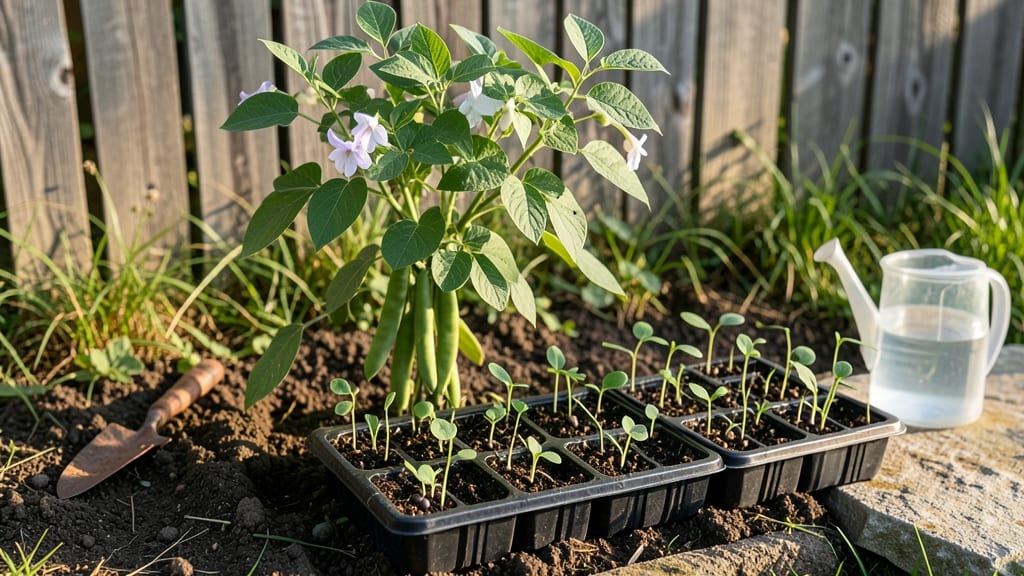
Growing soybeans from seed means fast, lush growth—if you nail the germination phase. 🌱 I’ve learned that most home gardeners struggle with slow starts, but the right soil warmth and moisture can cut wait times by nearly half.
The secret isn’t fancy equipment; it’s timing and technique that turns flimsy seedlings into sturdy plants in just 10-14 days. Start with a warm soil mix (70-80°F) and plant seeds 1 inch deep, spaced 3-4 inches apart.
Soybeans need consistent moisture but hate soggy soil—think damp sponge, not swamp. A black plastic mulch or row cover speeds up soil warming in cooler climates, giving you that jumpstart you crave. Overcrowding is the fastest way to stunt growth, so resist the urge to plant too close.
By week 3, you’ll see vibrant green leaves unfolding, and by summer, those plants will be 6+ feet tall with pods ready to harvest. The key is patience in the early days—soil prep and spacing pay off in bushy, productive plants that outperform store-bought starts. No black thumb needed here.
Works for backyard plots, raised beds, or even large containers. Let’s get those seeds sprouting!
📚 In This Guide
- What you need
- Instructions
- Tips and common mistakes
- Wrapping up and next steps
What you need
- ● Soybean seeds: 1–2 lbs (or ~500–1,000 seeds, depending on planting density). Choose non-GMO, heirloom, or organic varieties like Envy or Amsoy for best results.
- ● Growing containers: Direct sowing: Well-drained soil in a garden bed (60°F+ soil temp required).
- ● Indoor/transplanting: 2–3" deep biodegradable pots or seed trays (10–20 cells).
- ● Growing medium: High-quality seed-starting mix (sterile, peat-based, or coco coir blend). Avoid garden soil—it’s too dense!
- ● Watering supplies: Spray bottle (for seedling care).
- ● Watering can with a gentle rose nozzle (for mature plants).
- ● Fertilizer: Balanced, water-soluble fertilizer (5-10-5 or 10-10-10 NPK ratio) or organic options like fish emulsion or compost tea.
- ● Tools: Hand trowel or transplanter.
- ○ Garden gloves (optional but helpful!).
- ● Climate: Soybeans thrive in USDA Zones 3–11 with warm weather (70–85°F). Avoid frost—seeds won’t germinate below 50°F!
- ● Sunlight: Full sun (6–8+ hours daily). Partial shade may reduce yields.
- ● Soil pH: Slightly acidic to neutral (6.0–7.0). Test your soil or amend with lime/sulfur as needed.
- ● Spacing: Rows: 18–30" apart.
- ● Plants: 3–6" apart (thin seedlings to avoid competition).
- ● Row covers or shade cloth (for early planting or hot climates).
- ● Drip irrigation system (for consistent moisture).
- ● Mulch (straw or grass clippings) to retain soil moisture.
- ● Inoculant powder (for nitrogen-fixing bacteria, if not using organic soil).
- ● Plant markers (soybeans can look like weeds early on!).
Step-by-step instructions for growing soybeans from seed
Here’s my battle-tested method for breaking the germination speed barrier with soybeans—no shortcuts, just science-backed techniques.
🌱 Step 1: Pre-Soak Seeds for 12 Hours to Jumpstart Germination
Soybeans have a tough seed coat that slows water uptake. Place them in a bowl of lukewarm water for 12 hours—this softens the outer layer and triggers faster sprouting. I use a mesh bag to keep seeds contained while soaking. After soaking, drain and let them sit for 1 hour to prevent mold.
This step is non-negotiable. Skipping it means waiting 10-14 days for germination instead of 5-7 days. You’ll know it’s working when the seed coat splits and a tiny white root emerges. If seeds float, they’re bad—discard them and use fresh ones.
💧 Step 2: Plant in Warm, Moist Soil at 1/2-Inch Depth
Fill your container with well-draining potting mix (soybeans hate soggy roots). Warmth is critical—soil should be 70-80°F for optimal germination. A seedling heat mat helps if your space runs cooler. Plant seeds 1/2 inch deep, spacing them 2 inches apart in rows.
Water gently but thoroughly after planting—soil should feel damp 1 inch deep. Avoid overwatering; soggy conditions invite fungal diseases. Cover the container with plastic wrap to retain moisture and warmth, but remove it immediately once sprouts appear to prevent damping-off.
☀️ Step 3: Provide 14+ Hours of Bright Light Daily
Soybeans need full sun (6+ hours) to grow strong, but seedlings can’t handle direct midday sun yet. Start with a grow light 3-4 inches above the tray, adjusting height as they grow. You’ll see leggy stems if the light is too far—bring it closer until leaves are dark green and compact.
Rotate the container quarter-turn daily so seedlings grow straight. Once they develop 2 true leaves (not the first cotyledons), thin to the strongest seedling per spot. Weak seedlings can be composted—they’ll just compete for nutrients.
🌿 Step 4: Thin and Fertilize for Bushy Growth
When seedlings reach 4 inches tall, thin to 3-4 inches apart to prevent overcrowding. Use sharp scissors to snip at soil level—this avoids disturbing roots. Soybeans are nitrogen-fixers, but a light feeding of balanced fertilizer (10-10-10) at half-strength boosts early vigor.
Watch for yellowing leaves—a sign of nitrogen deficiency or overwatering. Soybeans prefer moist but not soggy soil. Water at the base in the morning to reduce fungal risks. By 6 weeks, you’ll see the first trifoliate leaves (three-leaf clusters)—this is when they’re ready for transplanting outdoors.
Tips & tricks for faster soybean germination
Speeding up soybean germination isn't just about patience—it's about creating the perfect conditions. Here's how to maximize your success without cutting corners.
Soak Smarter: While the 12-hour soak is critical, here's what I've learned: use filtered or distilled water instead of tap water to avoid chlorine buildup that can inhibit germination. Place your mesh bag of seeds in a bowl of lukewarm water and gently swirl it every 4 hours to ensure all seeds stay hydrated. After draining, that 1-hour air-dry period is crucial—it prevents mold by allowing the seed coat to firm up slightly while remaining moist enough to split.
Heat Hack: The 70-80°F soil temperature range is non-negotiable, but here's how to achieve it consistently: If you don't have a heat mat, place your planting container on top of your refrigerator (not inside!) for 24 hours before planting. The warm compressor area creates perfect bottom heat. For indoor growers, position your setup near a sunny window during the day and use a small space heater (set to low) at night to maintain that critical temperature range.
Light Strategy: Those 14+ hours of light don't need to be direct sun immediately. Start with a LED grow light on a timer set to 16 hours per day—soybeans respond better to consistent light cycles than erratic natural sunlight. Position your light just 3 inches above the seedlings at first, then raise it as they grow. The key is maintaining that distance so leaves stay dark green and compact rather than stretching toward the light.
Thinning Technique: When thinning to 3-4 inches apart at the 4-inch mark, here's my secret: use a pair of clean, sharp scissors to snip seedlings at soil level rather than pulling. This prevents disturbing the roots of your remaining plants. Compost the weak seedlings immediately—they'll still provide nutrients to your healthy plants while preventing competition.
Pro Tips for Growing Soybeans From Seed
- Speeding up soybean germination isn't just about patience—it's about creating the perfect conditions.
- Soak Smarter: While the 12-hour soak is critical, here's what I've learned: use filtered or distilled water instead of tap water to avoid chlorine buildup that can inhibit germination.
- The warm compressor area creates perfect bottom heat.
Frequently asked questions
Got questions about growing soybeans from seed?
You’re not alone! Here are answers to the most common queries to help you get started with confidence.
How long does it take for soybean seeds to germinate?
Soybean seeds typically germinate in 7–14 days after planting, depending on soil temperature and moisture. For faster results, keep the soil warm (around 70–85°F) and consistently damp. If germination takes longer than two weeks, check for rotting seeds or improper soil conditions.
Can I plant soybeans too early in the spring?
Yes, but timing matters! Soybeans thrive in warm soil (60°F+). Planting too early (before last frost) risks cold soil, which slows germination. Use a seedling heat mat or wait until nighttime temps stay above 50°F for best results.
What’s the best way to speed up soybean germination?
Try these proven hacks:
- Soak seeds in warm water (80°F) for 4–6 hours before planting.
- Use well-draining, fertile soil (mix in compost).
- Plant seeds ½ inch deep in rows spaced 18–30 inches apart.
- Keep soil moist but not soggy—a spray bottle works for seedlings.
Why are my soybean seedlings yellow or stunted?
Yellowing or stunted growth often signals overwatering, poor drainage, or nutrient deficiency. Check for:
- Root rot (from soggy soil)—adjust watering.
- Nitrogen deficiency (pale leaves)—add a balanced fertilizer.
- Overcrowding—thin seedlings to 4–6 inches apart.
Are there faster-growing soybean varieties for home gardens?
Yes! Look for determinate varieties (like ‘Hodgson’ or ‘Amsoy’) with shorter maturity times (80–100 days). These grow well in small spaces and produce quicker harvests. Avoid indeterminate types—they take longer to mature.
Wrapping up and next steps
Growing soybeans from seed is a rewarding journey that blends patience with science—and now, you’ve got the speed hacks to give your plants a head start! 🌱 From selecting the right variety to optimizing soil and light, every step sets the stage for lush, thriving crops.
Whether you’re a backyard gardener or a homesteader, your hard work will soon pay off with bountiful harvests.
Ready to dive in? Start small: Test your germination methods on a few seeds first, then scale up as confidence grows. Happy planting—and may your soybeans flourish faster than ever! 🚀