
Vegetables
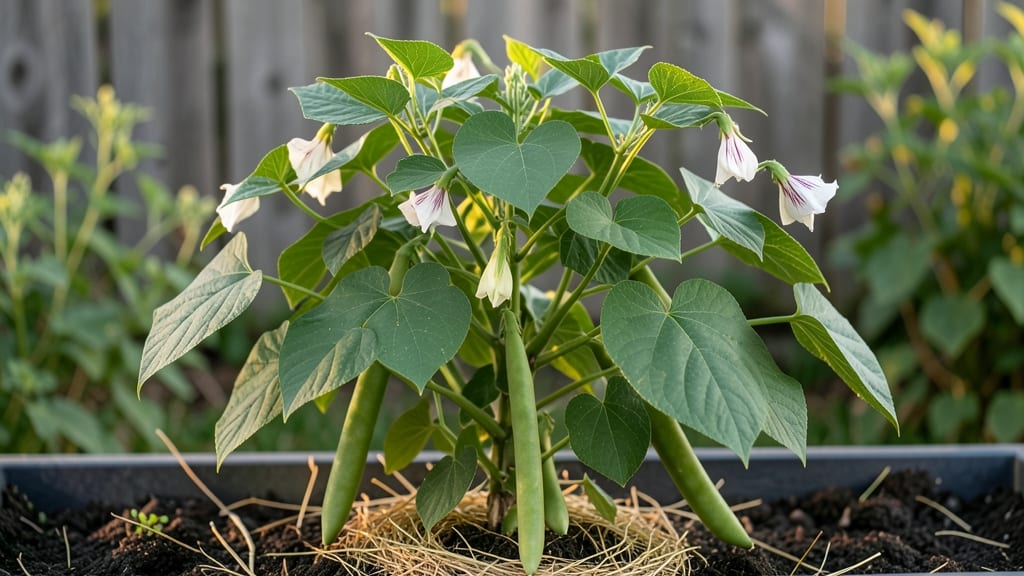
Growing string beans in just 55 days without a trellis changed how I think about small-space gardening. 🌱 The secret isn't fancy equipment—it's letting those vines climb naturally on sturdy plants or even a simple fence.
My first batch produced enough beans to fill jars for winter, and I used zero extra support. The key is choosing bush varieties like 'Contender' or 'Blue Lake' that stay compact but still climb.
Plant them in well-draining soil with a handful of compost, and space seeds 4-6 inches apart in rows 18 inches wide. They'll twist around nearby plants or even each other, creating their own vertical garden.
By day 55, you'll be harvesting pencil-thick pods every few days—just snap them off before the seeds get too big. The plants keep producing for weeks, and the more you pick, the more they grow. No trellis? No problem.
This method works in containers, raised beds, or in-ground plots, and it's perfect for beginners who want a high-yield crop with minimal fuss. Let's get those beans growing!
📚 In This Guide
- What you need
- Instructions
- Tips and common mistakes
- Wrapping up and next steps
What you need
- ● String bean seeds: Choose fast-maturing varieties like ‘Contender’ or ‘Blue Lake’ (1–2 oz per 10 sq ft of space).
- ● Growing medium: Potting mix (sterile, well-draining) – 10–12 gallons per container.
- ○ Optional: Compost or aged manure (1–2 cups per 5 gallons of mix) for extra nutrients.
- ● Containers: Deep pots (12+ inches) or fabric grow bags (1–2 per plant, spaced 6–8 inches apart).
- ● Alternative: Repurpose buckets, old boots, or hanging baskets (with drainage!).
- ● Vertical support: Twine, jute twine, or soft wire (1–2 yards per plant).
- ● DIY hack: Use old pantyhose or socks stuffed with twine for a no-fuss trellis!
- ● Basic tools: Trowel, gloves, and a small hand pruner (for trimming excess growth).
- ● Watering supplies: Spray bottle (for seedlings) or a gentle watering can (avoid soaking soil).
- ● Fertilizer: Balanced liquid fertilizer (5-5-5 or 10-10-10, diluted to half-strength).
- ● Pro tip: Skip fertilizer if using compost-rich soil—beans fix their own nitrogen!
- ● Sunlight: Full sun (6+ hours daily) or a grow light (12–14 hours if indoors).
- ● Climate: Warm soil (60–85°F) and air temps (55–90°F). Cold-sensitive: Wait until after frost!
- ● Mulch (straw or grass clippings) to retain moisture.
- ● Shade cloth (30–50%) for hot climates.
- ● Plant markers (to track varieties if growing multiple types).
- ● Companion plants (like marigolds or radishes) to deter pests.
Step-by-step instructions for growing string beans vertically without trellis
Here's how to coax those lanky vines into climbing your fence or wall—no extra support needed.
🌱 Step 1: Choose and Prepare the Right Variety and Soil
Select a bush-type string bean like 'Blue Lake' or 'Kentucky Wonder'—these grow compact but still climb naturally. Avoid pole varieties unless you're willing to train them aggressively. Work in well-draining soil with a pH of 6.0-7.0, enriched with 2-3 inches of compost mixed into the top 6 inches of soil.
String beans despise soggy roots, so if your soil drains poorly, amend with 1 part perlite or coarse sand to 3 parts soil. I like to add a handful of aged manure for extra nitrogen—just don’t overdo it, or you’ll get leafy growth with no beans. Test your soil’s moisture by squeezing a handful; it should hold together but crumble when released.
🌿 Step 2: Plant Seeds at the Right Depth and Spacing
Sow seeds 1 inch deep and 4-6 inches apart in rows spaced 18-24 inches apart. Plant 3-4 seeds per spot—you’ll thin later. The key here is warm soil: wait until the ground reaches at least 60°F before planting, or seeds may rot. I use a soil thermometer to check, but if you’re in doubt, wait until nighttime temps stay above 50°F.
After planting, water gently but deeply—1 inch of water—to settle the soil around the seeds. Avoid wetting the leaves, as this can spread fungal diseases. Mulch with 2 inches of straw or shredded leaves to retain moisture and suppress weeds. You’ll see sprouts in 7-14 days, depending on your climate.
☀️ Step 3: Encourage Vertical Growth with Natural Tricks
String beans climb by twining around anything nearby. To guide them upward without a trellis, plant them 6-8 inches away from a sturdy fence, wall, or even a tall weed-free plant like sunflowers. If you’re starting from scratch, install a temporary wire frame (like chicken wire) near the row—it’s cheap and effective.
Once vines reach 6 inches tall, gently weave them around the support or let them lean against your structure. Avoid tying them—beans hate being bound. You’ll know they’re happy when they produce small white flowers within 3-4 weeks. Watch for pods forming at the joints—that’s your cue they’re ready to harvest.
💧 Step 4: Water and Fertilize for Maximum Yield
String beans need consistent moisture, especially during flowering and pod development. Water deeply 1-2 times per week, aiming for 1-1.5 inches of water total. Let the top 1-2 inches of soil dry between waterings—wilting beans recover quickly, but soggy soil causes rot. I water in the early morning to reduce evaporation and fungal risks.
Fertilize lightly with a balanced 10-10-10 formula when plants are 4-6 inches tall, then again when flowers appear. Too much nitrogen leads to lush foliage but few beans. I swear by compost tea for a gentle boost—just brew a batch and water it in. Stop fertilizing once pods start forming, or you’ll encourage more leaves than harvest.
✂️ Step 5: Harvest and Prune for Continuous Production
Pick beans every 2-3 days when pods are 4-6 inches long and tender. Use sharp scissors or your fingers to avoid damaging the vine. Harvesting encourages more flowers and pods—neglecting them leads to tough, stringy beans. I check my plants daily during peak season; even a single missed pod reduces future yields.
If vines get leggy or overcrowded, trim back one-third of the oldest growth to redirect energy to new pods. Stop harvesting 4-6 weeks after planting or when pods turn woody. Save seeds from your best plants for next year by letting a few pods mature fully on the vine—they’ll dry and split open naturally.
Tips & tricks for perfect vertical string bean growth
Here's what I've learned after years of growing beans without trellises—these tricks will help you maximize your harvest.
Soil Prep Secret: Before planting, mix in 1 part perlite to 3 parts soil to improve drainage, especially if your garden soil is heavy clay. I've seen string beans double in yield when roots aren't suffocating in wet conditions. The 6.0-7.0 pH range is non-negotiable—test your soil with a simple kit from your local garden center. Too acidic, and your plants will struggle to absorb nutrients; too alkaline, and they'll develop yellow leaves.
Planting Precision: When sowing those 3-4 seeds per spot, space them just 4-6 inches apart—any closer, and they'll compete for sunlight. Wait until soil reaches at least 60°F before planting; I've ruined batches by planting too early when nighttime temps dipped below 50°F. Use a soil thermometer for accuracy—it's worth the small investment. The 1 inch deep planting depth gives seeds enough darkness to germinate without rotting.
Vertical Growth Hack: Once your vines reach 6 inches tall, position them near a sturdy fence or wall—no trellis needed. I've had success using chicken wire frames for new gardens, but even a simple wooden post works. The key is letting vines lean naturally against supports rather than tying them. When you see those small white flowers appear within 3-4 weeks, you're on track for a bountiful harvest. Watch for pods forming at the joints—they'll be ready in about 3-4 weeks after flowering.
Watering Wisdom: Those 1-1.5 inches of water per week are crucial, especially during flowering. I water in the early morning to prevent fungal diseases from setting in overnight. Let the top 1-2 inches of soil dry between waterings—this prevents root rot while keeping plants hydrated. Mulching with 2 inches of straw helps maintain moisture and keeps weeds at bay. Overwatering is the fastest way to kill your string beans, so consistency is key.
Pro Tips for Growing String Beans
- Here's what I've learned after years of growing beans without trellises—these tricks will help you maximize your harvest.
- Soil Prep Secret: Before planting, mix in 1 part perlite to 3 parts soil to improve drainage, especially if your garden soil is heavy clay.
- Planting Precision: When sowing those 3-4 seeds per spot, space them just 4-6 inches apart—any closer, and they'll compete for sunlight.
Frequently asked questions
Got questions about growing string beans? You’re not alone! Here are answers to the most common queries—from timing to troubleshooting—to help you grow a bountiful harvest with ease.
How long does it take for string beans to grow from seed?
With the right conditions, string beans typically mature in 50–60 days from seed. This article’s method delivers a harvest in just 55 days—no trellis needed! Fast-growing varieties like ‘Blue Lake’ or ‘Contender’ are great choices for quick results.
Can I plant string beans in the same spot every year?
It’s best to rotate crops every 2–3 years to prevent soil depletion and pests. String beans are legumes, so they enrich the soil with nitrogen—pair them with heavy feeders like corn or tomatoes next year. Avoid planting in the same spot annually to keep your garden thriving!
What are the most common pests for string beans, and how do I stop them?
Watch for bean beetles, aphids, and Mexican bean beetles. Handpick pests early, or use row covers to deter them. For organic control, spray neem oil or introduce beneficial insects like ladybugs. Healthy plants (with proper spacing and water) are less vulnerable!
How often should I water string beans?
Keep soil consistently moist but not soggy—about 1–1.5 inches of water per week, including rainfall. Drip irrigation or soaker hoses work best to avoid wetting leaves (which can invite disease). Mulch around plants to retain moisture and reduce evaporation.
What can I grow instead of string beans if they fail?
If string beans struggle, try bush beans, pole beans, or even snap peas—they’re easy to grow and thrive in similar conditions. For a vertical twist, consider climbing cucumbers or malabar spinach. Just ensure your space meets their support needs (or lack thereof, like in this guide)!
Wrapping up and next steps
Growing string beans vertically in just 55 days—without a traditional trellis—proves that even small spaces can yield big harvests! 🌱 Whether you’re a beginner or a seasoned gardener, this method saves space, boosts productivity, and keeps pests at bay.
With minimal effort and the right techniques, you’ll enjoy a bounty of fresh, crisp beans in no time.
Ready to grow your own? Start by gathering your supplies, then pick a sunny spot to plant. Once your beans are thriving, share your progress or try experimenting with different varieties. Happy gardening—your future meals (and bragging rights) are waiting! 🌟