
How To
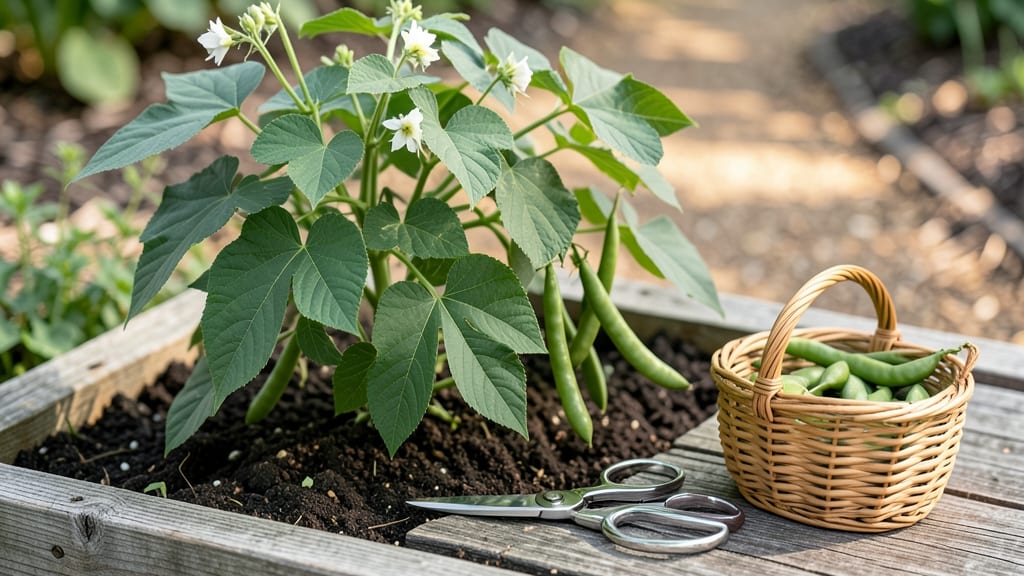
How are green beans harvested properly, turning your garden into a crisp, flavorful feast—but one wrong move can turn those tender pods into tough, bitter sticks.
Green beans are at their sweetest and crispest when harvested at the perfect moment—miss the window, and you’ll end up with tough, woody pods that ruin the flavor. But how do you know exactly when to pick them for that garden-fresh taste?
Most gardeners wait until pods reach 4-6 inches long and snap easily when bent, but timing isn’t just about size—it’s also about color and seed development. A little too late, and you’ll sacrifice tenderness for a bitter bite.
In this guide, I’ll walk you through the 3 key signs to spot, the best tools to use, and how often to check your plants to keep them producing all season long.
3 Visual signs your green beans are ready for harvesting
Green beans transform from tender, flavorful pods to tough, stringy messes in just a few days if you miss the harvest window. The key to consistently sweet harvests lies in recognizing three critical visual cues that signal peak ripeness.
These signs ensure you're picking beans at their optimal flavor and texture—not too early (underdeveloped) or too late (overmature).
Timing matters because green beans are continuous producers. When you harvest regularly, your plants redirect energy to produce more pods instead of letting them mature into dry, woody shells.
Think of it like pruning—you're encouraging bushier, more productive growth by staying ahead of the maturity curve. Let's explore the exact visual signals to watch for.
Understanding these cues helps you avoid two common mistakes: picking too soon (when pods are still soft and lack sweetness) or waiting too long (when seeds bulge and pods develop fibrous strings).
Both scenarios waste your garden's potential. The 4-6 inch rule is your first checkpoint, but color and seed development are equally important.
- 1
- 2
- 3
Measure your pods against a ruler or use your hand as a guide (about the length from your thumb to your pinky finger). This is the sweet spot for most varieties like 'Blue Lake' and 'Contender'.
Gently bend a pod near the stem. It should snap cleanly with a slight crackling sound. If it bends without resistance, it's underripe; if it feels leathery, you've waited too long.
Look inside the pod through the seam. Seeds should be visible but not bulging. Tiny seeds mean the pod is too young; large, rounded seeds indicate overmaturity and reduced tenderness.
The pod length is your first visual cue because it correlates directly with flavor development. Most green bean varieties reach their peak when pods measure between 4 and 6 inches.
For example, 'Blue Lake' beans should be harvested at 5 inches, while 'Kentucky Wonder' pole beans can stretch to 6 inches before losing quality. Use a measuring tape or ruler for accuracy, especially if you're growing multiple varieties.
Color plays a secondary but important role in determining readiness. While green beans should remain their characteristic bright green hue, watch for any yellowing or browning near the stem—this signals overmaturity.
Some heirloom varieties like 'Christmas Limas' develop mottled patterns when fully ripe, but these are exceptions rather than the rule for standard green beans.
Seed development is often the most overlooked cue, yet it's crucial for maintaining tender texture. When seeds become visible but remain small and flat against the pod walls, that's your harvest signal.
If you see bulging seeds or feel them pressing against your fingers when you gently squeeze the pod, the beans have passed their prime and will be woody and stringy.
Harvesting at the right time also prevents pod shatter, where mature beans split open and scatter seeds across your garden. This not only wastes your crop but can lead to volunteer plants sprouting where you don't want them.
Regular harvesting encourages your plants to focus energy on producing more pods rather than letting existing ones overripen.
For continuous production, aim to harvest every 2-3 days during peak season. This frequent attention might seem time-consuming, but it pays off with weeks-long harvests instead of a single large yield. Keep a small basket or bucket nearby while you work to avoid dropping pods or damaging the plants.
Pro tip: Harvest in the morning when temperatures are cooler. This ensures your beans have had time to absorb moisture overnight, making them crispest and most flavorful. Store harvested beans in the refrigerator for up to 5 days or process them immediately for cooking or preserving.
Remember, these visual cues work for both bush beans and pole beans, though pole beans may develop slightly longer pods. The same principles apply whether you're growing 'Provider' bush beans or 'Rattlesnake' pole beans—always prioritize pod length, snap test, and seed visibility over calendar dates.
Best practices for harvesting green beans to maximize yield
Harvesting green beans at the right time isn't just about getting a few pods—it's about encouraging your plants to produce more. When you pick green beans regularly, you signal the plant to keep flowering and setting new pods.
The key is consistency and knowing which method works best for your variety.
Most gardeners agree that hand-picking is the gentlest method, but some large-scale growers use mechanical harvesters. The choice depends on your garden size and the type of beans you're growing.
For home gardens, bush beans are easier to harvest by hand, while pole beans might benefit from a lightweight grabber tool.
Hand-Picking Green Beans
Pros
- Precision - Pick only mature pods
- Gentle - Less damage to plants
- Quality - Select best specimens
Cons
- Time-consuming - For large gardens
- Labor-intensive - Requires frequent checks
Mechanical Harvesting
Pros
- Efficient - Covers large areas quickly
- Consistent - Removes all pods at once
Cons
- Harsh - Can damage vines
- Selective - May miss some pods
- Over-maturity risk - May harvest too late
Best for: Hand-picking works for home gardens with bush beans or small pole bean patches. Mechanical methods suit large-scale pole bean production where speed matters more than precision.
For maximum yield, harvest every 2-3 days during peak production. This frequent picking prevents pods from becoming over-mature and woody. I've found that morning harvests work best because the pods are crispest after a cool night.
Always use clean, sharp pruning shears or simply pinch the stem just above the pod to avoid damaging the plant.
When dealing with pole beans, work your way up the trellis to avoid missing pods. For bush beans, harvest from the outside inward to make each plant more accessible.
Remember that pole beans often produce more continuously than bush varieties, so they'll need more frequent attention during their peak season.
After harvesting, store your beans in the refrigerator for up to 5-7 days to maintain freshness. For longer storage, blanch and freeze them.
The key to a bountiful green bean harvest is staying consistent—your plants will reward you with tender, sweet pods all season long if you keep up with the harvesting schedule.
Don't forget that over-harvesting can stress your plants, while under-harvesting leads to reduced production. Aim for that sweet spot where you're picking enough to encourage more growth but leaving enough energy in the plant for continuous flowering.
With the right approach, you'll enjoy a steady supply of fresh green beans all summer!