
How To
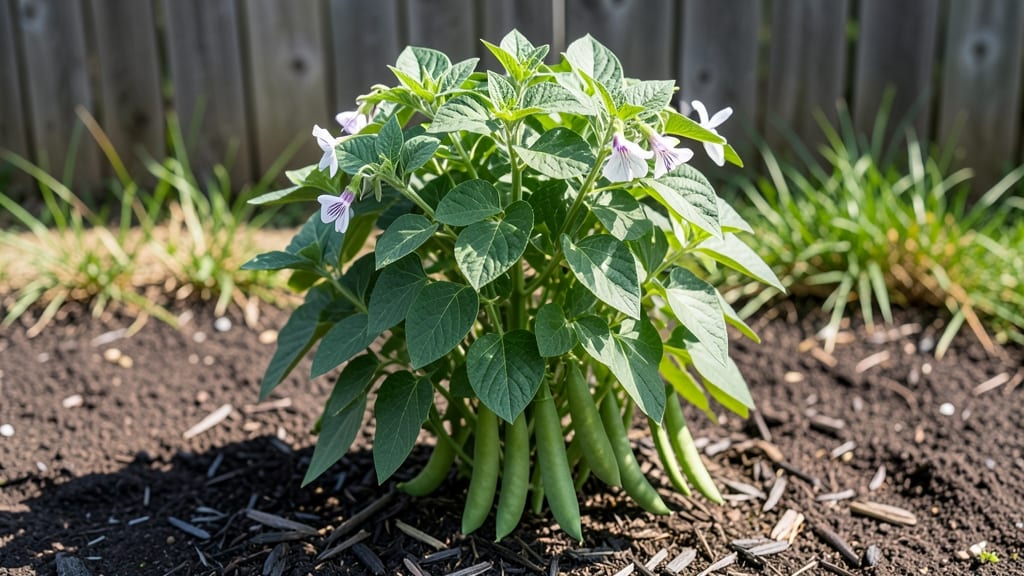
Bush beans grow between 1 and 3 feet tall at maturity, but their height depends entirely on the variety you choose—some varieties barely clear a foot, while others stretch nearly waist-high.
If you’re dreaming of a productive small garden but worried about space, bush beans could be your perfect solution—yet their height varies wildly by variety, often surprising even experienced gardeners.
For example, Blue Lake beans typically reach 2 to 3 feet, while compact varieties like Mascotte stay under 12 inches. This difference isn’t just about aesthetics—it affects how you plan your garden, whether you need trellising, or which plants make the best neighbors.
Below, I’ll break down the most common varieties, how their heights impact your layout, and the 3 best tips for maximizing yield in tight spaces—no matter which type you grow.


Bush bean height guide: variety-specific growth ranges for small gardens
If you’re planning a small garden, knowing how tall bush beans grow can make or break your layout. Unlike their pole bean cousins, bush beans stay compact, but their mature height varies dramatically by variety—some barely reach your knee while others top out near your waist.
Understanding these differences helps you maximize space and yield in tight areas.
For example, dwarf varieties like 'Mascotte' stay under 12 inches, perfect for containers or windowsills, while standard bush types like 'Blue Lake' can hit 2-3 feet, needing more ground space.
Let’s break down the most popular varieties and their growth patterns so you can plan your garden like a pro.
| Variety | Mature Height | Spacing Needs | Best For |
|---|---|---|---|
| Blue Lake Bush | 20-24 inches | 4-6 inches apart | In-ground gardens, containers |
| Contender | 18-22 inches | 3-4 inches apart | Small spaces, succession planting |
| Roma II | 24-30 inches | 6 inches apart | Traditional gardens, canning |
| Kentucky Wonder | 24-36 inches | 8-12 inches apart | Large containers, trellis bases |
| Mascotte | 8-12 inches | 2-3 inches apart | Containers, balcony gardens |
Blue Lake Bush is my go-to for small gardens because it strikes the perfect balance—20-24 inches tall with high yields. I’ve grown it in 5-gallon containers with great success, though in-ground planting gives it more room to spread. The key is spacing: give these plants 4-6 inches apart to prevent overcrowding, which can lead to disease.
If you’re working with ultra-limited space, 'Contender' and 'Mascotte' are game-changers. Both stay under 2 feet, making them ideal for succession planting or balcony gardens. I’ve seen gardeners fit 3-4 plants per 12-inch pot with proper care, though yields will be smaller than in-ground varieties.
For dwarf types, reduce spacing to 2-3 inches between plants.
On the taller end, 'Roma II' and 'Kentucky Wonder' reach 24-36 inches, which might seem like a lot for a "bush" bean. But here’s the trick: their sprawling habit makes them perfect for trellis bases or large containers where you can let them climb slightly.
I’ve used low wire cages to support these varieties, turning them into mini pole beans without the extra height.
One mistake I’ve seen new gardeners make is underestimating the base width of taller bush beans. Even if a plant is only 2 feet tall, its foliage can spread 1-2 feet outward.
This means you’ll need at least 18 inches of space between rows for proper airflow and sunlight penetration. In tight spaces, consider interplanting with shallow-rooted crops like lettuce or radishes.
For container gardening, prioritize varieties under 18 inches. I’ve had the most success with 'Blue Lake Bush' in 7-10 gallon pots, using a well-draining mix with 50% compost.
The secret? Deep watering—containers dry out faster, and bush beans hate soggy roots. Aim for 1-2 inches of water per week, delivered in the morning to prevent fungal issues.
Pro tip: If you’re growing taller varieties like 'Kentucky Wonder', stake them early to prevent flopping. I use bamboo stakes or low trellises inserted at planting time. This not only saves space but also makes harvesting easier—no more bending over!
Just be sure to tie stems loosely with soft plant ties to avoid damaging the delicate stems.
Remember, height isn’t everything. Even dwarf varieties need <
How bush bean height affects yield and garden planning
Understanding bush bean height is key to maximizing your harvest, especially in small gardens. Taller varieties like Kentucky Wonder (up to 3 feet) need more space and sunlight, while dwarf varieties (8–12 inches) thrive in containers or tight plots.
The right height ensures optimal sunlight exposure, which directly impacts pod production and plant health.
Sunlight is non-negotiable for bush beans—they require 6–8 hours of direct sun daily to produce their best yield. If you plant taller varieties too closely together, the inner plants may become shady and leggy, reducing pod size and quality.
Even 1–2 feet of spacing can make a huge difference in airflow and sunlight penetration, cutting down on fungal diseases like rust or powdery mildew.
⚠️ callout-warning
- Overcrowding: Planting taller beans too close (less than 4 inches apart) leads to stunted growth and poor airflow.
- Shade Stress: Even 1-foot-tall plants can block sunlight for shorter varieties if spaced improperly.
- Trellis Overload: Bush beans don’t need trellises—forcing them to climb stresses their structure and reduces yields.
Pro Tip: Measure mature heights before planting to avoid these pitfalls!
For limited-space gardens, consider companion planting with shorter crops like lettuce or radishes beneath your bush beans. This maximizes vertical space while keeping the soil healthy—beans fix nitrogen, benefiting their neighbors. However, avoid planting them near onions or garlic, which can stunt their growth due to chemical interactions.
If you’re working with container gardening, choose dwarf or semi-dwarf varieties like Mascotte (12–18 inches) or Blue Lake Bush (18–24 inches). These stay compact but still produce abundantly. Just ensure your pots are at least 12 inches deep and wide to accommodate root growth without restricting it.
Pruning isn’t typically needed for bush beans, but if your plants become overcrowded or leggy, you can gently snip back the tallest stems to encourage bushier growth.
Focus on removing yellowing or diseased leaves first—this improves airflow and redirects energy to pod production. Regular harvesting also prompts more flowers and beans to form.
In summary, bush bean height isn’t just about aesthetics—it’s about sunlight access, spacing efficiency, and disease prevention. By matching your variety to your space and sunlight conditions, you’ll enjoy a bountiful, healthy harvest without sacrificing garden real estate. Happy growing! 🌱