
How To
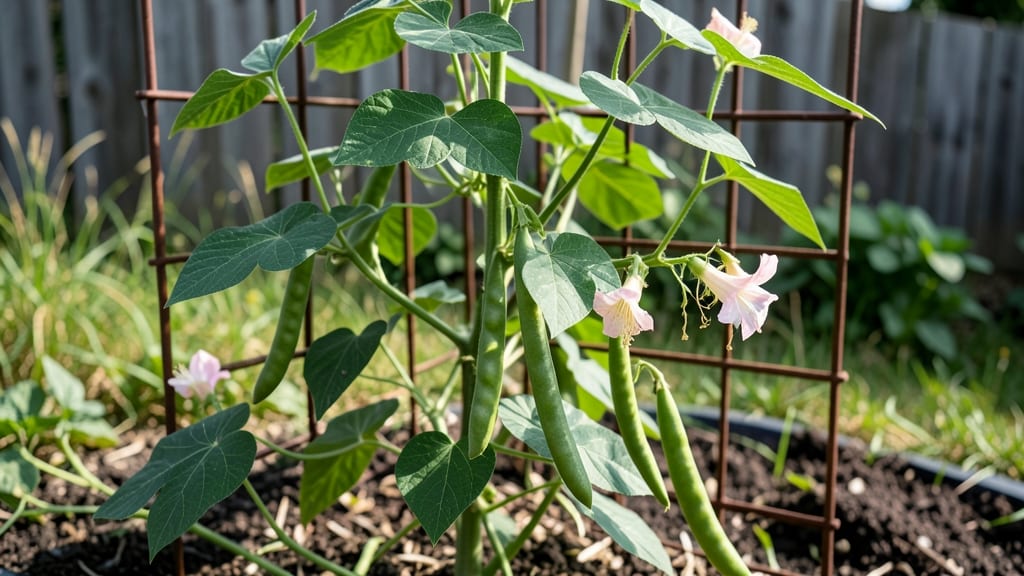
Kentucky pole beans grow to a towering 10–15 feet tall 🌱, making them one of the most impressive climbers in your garden—if you give them the right support.
If you’re dreaming of a thriving vertical garden that produces delicious, homegrown beans, Kentucky pole beans could be your perfect match—but first, you need to know just how tall they can climb and what support they’ll need to reach their full potential.
These beans aren’t just tall; they’re fast growers, shooting up 6–12 inches per week once established. Without proper trellising, they’ll sprawl across your garden, competing with other plants for space and sunlight.
In this guide, I’ll break down everything you need to know—from trellis options and spacing tips to the best growing conditions—to help your Kentucky pole beans thrive and produce a bountiful harvest.


Kentucky pole bean height: how tall they grow and what to expect
If you’ve ever imagined a lush, vertical garden bursting with homegrown beans, Kentucky pole beans are the perfect choice—but their impressive height means planning ahead is key. These vigorous climbers can reach 10 to 15 feet under ideal conditions, making them one of the tallest bean varieties for home gardens.
Understanding their growth habits helps you design a support system that ensures healthy vines and a bountiful harvest.
What sets Kentucky pole beans apart is their rapid growth rate, especially in warm climates. With the right sunlight exposure and soil conditions, they can climb 3 to 5 feet per season, transforming a small garden into a towering green wall.
However, their height varies based on factors like variety, climate, and support structure, so let’s break down what you can expect.
| Growth Stage | Height Range | Growth Rate | Key Notes |
|---|---|---|---|
| Seedling Stage | 0–1 ft | Slow (2–4 weeks) | Provide small stakes for early support. |
| Early Climbing | 3–6 ft | Fast (4–6 weeks) | Install trellis by 6 inches tall. |
| Mature Height | 10–15 ft | Moderate (varies by season) | Prune for airflow; harvest pods early. |
| Seasonal Variance | 8–12 ft (cooler climates) | Slower growth | Extend season with row covers. |
The mature height of Kentucky pole beans often surprises gardeners, especially those used to bush beans that stay under 2 feet.
A 10-foot trellis is the minimum for most varieties, but if you’re in a warm, humid climate like USDA Zone 8 or higher, you might see vines stretch toward 15 feet or more. This makes them ideal for fences, pergolas, or even sturdy bamboo poles in rural settings.
One common misconception is that all pole beans grow the same height. While Kentucky pole beans are consistently tall, some heirloom varieties or hybrid strains might dip slightly lower—around 8 to 12 feet—if grown in shorter daylight conditions or cooler summers.
Always check the seed packet for specific variety expectations, as some may label themselves as "semi-dwarf" but still reach 10 feet with proper care.
Your support structure plays a crucial role in determining how tall your Kentucky pole beans will grow. Weak or flimsy trellises can cause vines to sprawl or break under the weight of heavy pods.
For maximum height, opt for T-posts, metal cages, or wooden lattices that can handle 15+ feet of vertical growth. Even a sturdy bamboo pole can work for smaller gardens, but it may limit height to 8–10 feet.
Seasonal variations also affect height. In northern climates with shorter growing seasons, Kentucky pole beans may only reach 6–8 feet by harvest time, while southern gardens can expect full 12–15 feet of climbing potential.
If you’re in a transitional zone, consider starting seeds indoors or using black plastic mulch to warm the soil and extend the growing season.
To encourage taller growth, focus on soil fertility and consistent moisture. Kentucky pole beans thrive in well-draining soil with a pH of 6.0–7.0. Amend your garden bed with compost or aged manure before planting, and side-dress with a balanced fertilizer (5-10-10) every 4–6 weeks during the growing season.
Avoid over-fertilizing with nitrogen, which can lead to leafy growth at the expense of pods.
Pruning is another key factor in managing height and yield. Regularly pinch back the topmost leaves to encourage bushier growth and prevent vines from becoming too leggy. This also improves air circulation, reducing the risk of fungal diseases like rust or powdery mildew, which can stunt growth.
Harvest pods frequently—every 2–3 days—to stimulate more flowering and climbing.
If space is limited, don’t let the height deter you. Kentucky pole beans can be grown in containers with tall trellises, making them perfect for balconies or small patios. Just ensure the pot is at least 12 inches deep and has drainage holes.
For ground planting, space seeds 4–6 inches apart and allow 3–4 feet of clearance around the trellis for easy maintenance.
With the right approach, your Kentucky pole beans will reward you with a towering, productive vine that’s both a garden centerpiece and a harvest goldmine. Plan your trellis early, monitor growth closely, and soon you’ll be picking fresh, homegrown beans from a plant that reaches the sky! 🌱
Best trellis and support options for Kentucky pole beans
Kentucky pole beans can reach 10 to 15 feet tall when given proper support, making them perfect for vertical gardening. Without the right trellis or structure, their vines will sprawl across the ground, leading to tangled pods and lower yields.
Choosing the right support system isn’t just about height—it’s about durability, ease of maintenance, and maximizing your harvest.
Since these beans can grow taller than a basketball hoop, you’ll need sturdy supports that can handle their weight. Common options include bamboo poles, metal cages, or wooden trellises. Each has its pros and cons, depending on your garden layout and budget.
For example, bamboo poles are lightweight and affordable, while metal cages offer long-term durability but may require more upfront investment.
Here’s a quick comparison to help you decide which support system works best for your Kentucky pole beans:
For a budget-friendly DIY solution, I recommend using 4–6-foot bamboo poles tied together with twine or garden tape. This creates a sturdy lattice that supports the vines while keeping costs low.
If you’re planting near a fence, you can simply attach wire mesh or twine to guide the beans upward without needing extra structures.
When installing supports, place them 6–8 inches from the plant base to encourage strong vine attachment. For taller varieties, consider adding cross-bracing between poles to prevent swaying in windy conditions. Regularly check for stability, especially after heavy rains or storms, to avoid snapped vines or fallen trellises.
Pro tip: If you’re short on space, try a smaller trellis or teepee structure made from stakes and twine. This works well for container gardening or small patios, keeping the beans contained while still allowing them to reach their full height.
With the right support, your Kentucky pole beans will thrive and produce a bountiful harvest all season long! 🌱