
How To
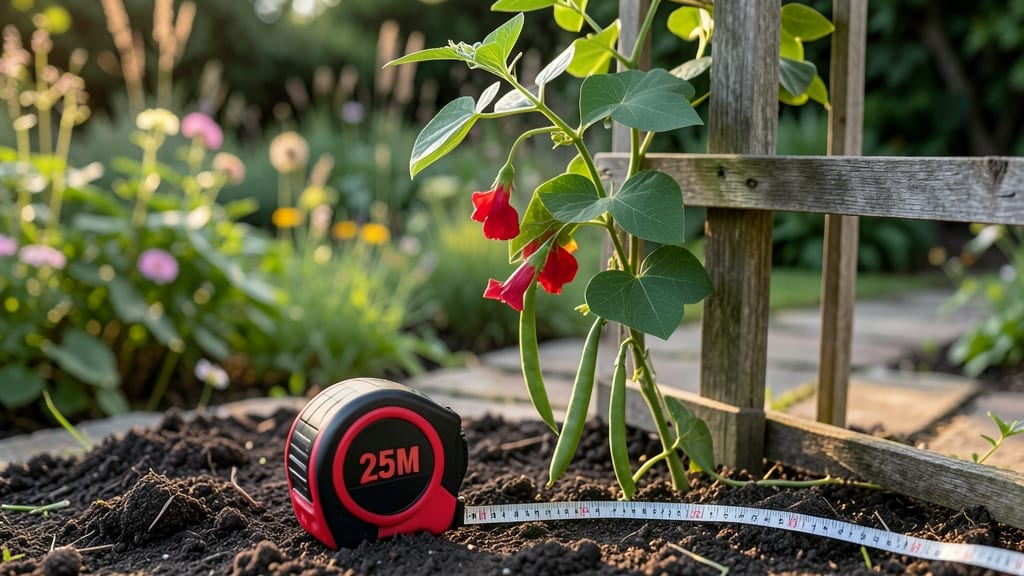
Scarlet runner beans grow to 10–25 feet tall—taller than a basketball hoop—when given the right support, making them a stunning vertical garden star 🌱.
If you’ve ever dreamed of a stunning vertical garden bursting with vibrant red flowers and edible beans, scarlet runner beans might be your perfect match—but first, you need to know how tall they can grow and how to support them properly.
These vigorous climbers can reach 15–20 feet in a single season, especially in warm climates like USDA Zone 6a, where they thrive from mid-April through September.
Below, I’ll cover the best trellis options, pruning tips to encourage upward growth, and whether dwarf varieties exist for smaller spaces.


Scarlet runner bean height: climbing potential & growth stages explained
If you’ve ever planted scarlet runner beans, you know they’re not your average garden plant. These vibrant climbers can transform any space with their dramatic height and stunning red flowers. But how tall do they actually grow?
The answer might surprise you—especially if you’re working with limited garden space or planning a vertical garden. Scarlet runner beans typically reach 15 to 25 feet at maturity, making them one of the tallest edible vines you can grow.
That’s taller than a basketball hoop and nearly the height of a two-story building!
Their rapid growth—3 to 5 feet per season—means they’ll quickly dominate any trellis or support structure you provide. This climbing habit isn’t just for show; it’s essential for maximizing yield and keeping your plants healthy.
Without proper support, vines can sprawl, leading to tangled messes and reduced productivity. Trellising isn’t optional—it’s a must for managing their impressive height and ensuring your harvest thrives.
Now, let’s break down the specifics with a quick reference table to help you plan your garden layout and choose the right support system for your scarlet runner beans.
| Growth Stage | Height Range | Growth Speed | Trellis Needs |
|---|---|---|---|
| Seedling | 0–2 feet | Fast (1–2 ft/month) | Light support (stakes or small trellis) |
| Early Vine | 3–10 feet | Moderate (1–2 ft/week) | Medium trellis (6–10 ft tall) |
| Mature Plant | 15–25 feet | Slower (3–5 ft/season) | Heavy-duty trellis (15–25 ft) |
| Harvesting Stage | 15–25 feet (full height) | Maintenance (pruning) | Sturdy support (bamboo, metal, or wood) |
Understanding these growth stages helps you prepare for the scarlet runner bean’s rapid ascent. In their first season, you can expect 10 to 15 feet of growth, while older plants may reach their full 20 to 25 feet potential.
This means if you’re growing them in USDA Zone 6a or warmer, they’ll likely keep climbing year after year, provided they have the right support.
One common question is whether dwarf varieties exist. Unfortunately, scarlet runner beans don’t have true dwarf varieties—their height is part of their charm! However, you can control their growth by pruning or choosing shorter trellises (like a 6-foot teepee) if space is limited.
This won’t stunt their natural growth but will keep them more manageable in smaller gardens.
Seasonal growth patterns also play a role in how tall your scarlet runner beans will get. In warmer climates (like Zones 8–10), they may grow faster and reach their full height in a single season.
In cooler regions (Zones 5–7), growth might slow slightly, but with proper care, they’ll still climb impressively. Regional variations can also affect their vigor—drier climates may require extra watering to support their rapid ascent.
When planning your garden, consider the weight of mature vines. A fully grown scarlet runner bean can produce heavy pods and foliage, so your trellis must be sturdy enough to handle the load.
Wooden lattice, metal cages, or thick bamboo poles are all excellent choices. Avoid flimsy materials like thin wire or plastic mesh, as they won’t support the plant’s weight or withstand wind.
If you’re new to growing scarlet runner beans, start with a small-scale trellis (like a 6–10 foot A-frame) to get a feel for their growth habits. Once you’re confident, you can scale up to taller structures.
Remember, the key to success is training the vines early—gently weaving them through the trellis as they grow ensures they climb straight and don’t become tangled.
For those in small spaces, consider growing scarlet runner beans vertically along a fence or balcony railing. Even in containers, they can thrive if given enough support—just ensure the container is large enough (at least 15–20 gallons) to accommodate their root system.
With the right setup, you’ll enjoy bountiful harvests and stunning flowers without sacrificing garden space.
In summary, scarlet runner beans are powerhouse climbers that can reach 15 to 25 feet with the right care. Their rapid growth and dramatic height make them a fantastic addition to any garden—but only if you’re prepared to provide the support they need.
Whether you’re a seasoned gardener or a beginner, understanding their climbing potential will help you create a thriving vertical garden that’s both productive and beautiful. 🌱
Best trellis options for scarlet runner beans by garden size
Scarlet runner beans can reach 15–25 feet tall, making them perfect for vertical gardening—but choosing the right trellis depends on your garden size and space constraints. Without proper support, their heavy vines can flop or break, reducing yields.
Let’s explore the best trellis types based on your space, from compact balconies to sprawling backyard gardens.
For small gardens or containers, focus on lightweight yet sturdy options like bamboo stakes or wire mesh cages. These work well for dwarf varieties or when space is limited.
Larger gardens can handle heavy-duty A-frames or teepees, which provide maximum support for the plant’s full 20–25-foot height. The key is balancing weight capacity with ease of assembly.
| Trellis Type | Max Height Support | Best For | DIY Difficulty | Cost Range |
|---|---|---|---|---|
| A-Frame Trellis | 20–25 ft | Large gardens, fences | Moderate | $30–$80 |
| Teepee Trellis | 15–20 ft | Small gardens, containers | Easy | $10–$40 |
| Wire Mesh Cage | 10–15 ft | Balconies, small spaces | Very Easy | $15–$30 |
| Bamboo Poles | 12–18 ft | Budget-friendly, small plots | Easy | $5–$20 |
A-frame trellises are ideal for backyard gardens because they distribute weight evenly, preventing vines from snapping under pressure. For urban balconies or patios, a teepee trellis made from bamboo or PVC pipes is lightweight yet sturdy enough to support 15–20-foot vines.
If you’re on a budget, bamboo stakes or wire mesh cages are cost-effective alternatives, though they may require more frequent vine training.
For a DIY approach, use galvanized wire or wooden stakes to create a custom trellis. Drive stakes 18–24 inches deep into the ground and weave wire between them in a zigzag pattern for climbing support.
This method costs $10–$25 and works well for small to medium gardens. Just ensure the structure is secured tightly to handle the plant’s rapid growth.
No matter which trellis you choose, install it early—as soon as seedlings reach 6–8 inches tall. This gives vines time to climb and strengthen before they bear the weight of heavy pods.
Regularly check for loose wires or wobbly poles and adjust as needed to keep your scarlet runners thriving.
With the right trellis, your scarlet runner beans will climb to their full potential, creating a stunning vertical display while maximizing your garden’s space. Happy growing! 🌱