
Planting
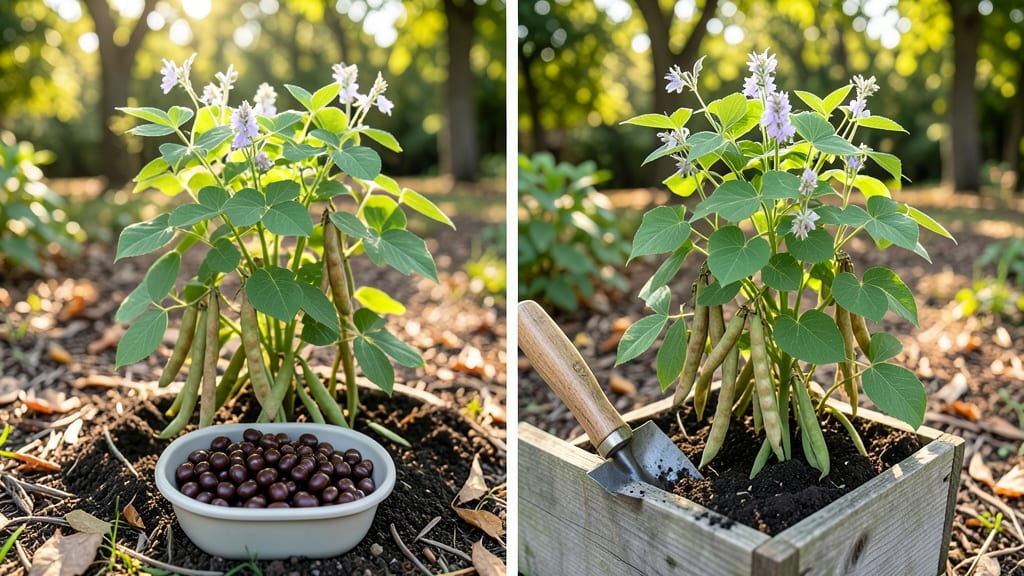
Cultivating soybeans in your backyard means edible protein within 60 days—no farm required. 🌱 I grew my first batch last summer, and the process was simpler than I expected, especially when you skip the heavy machinery and focus on the basics.
The key is warm soil, consistent moisture, and patience, not fancy equipment.
You’ll need a sunny spot with at least 6 hours of direct light, loose soil that drains well, and soybean seeds (non-GMO varieties work best for home gardens). Plant after your last frost when soil reaches 60°F, and space seeds 2-3 inches apart in rows 18-24 inches apart.
Most garden centers sell seeds, but you can also save them from store-bought soybeans (if organic).
Once planted, keep the soil moist but not soggy—soybeans hate waterlogged roots. A 1-2 inch layer of mulch helps retain moisture and suppress weeds. Watch for Japanese beetles (they love soybeans) and spider mites; a strong spray of water usually knocks them off.
By mid-summer, you’ll see pods forming—harvest when they turn yellowish-brown and dry slightly on the vine.
This method works for small plots or even large containers (use 5-gallon pots for bush varieties). The biggest mistake? Planting too late or in cold soil—soybeans won’t germinate below 50°F. Start early, and you’ll have homegrown soybeans ready for snacks, flour, or even tofu in just two months.
📚 In This Guide
- What you need
- Instructions
- Tips and common mistakes
- Wrapping up and next steps
What you need
- ● Soybean Seeds: Choose high-quality, non-GMO seeds (e.g., Glycine max). Aim for 1-2 lbs per 100 sq ft for optimal spacing.
- ● Soil: Well-draining, loamy soil with a pH of 6.0–7.5. Test and amend if needed (add compost or lime).
- ● Fertilizer: Starter Fertilizer: 10-10-10 (N-P-K) or organic options like bone meal (1 lb per 100 sq ft).
- ○ Nitrogen Booster (optional): Urea or soybean-specific fertilizer mid-season if leaves appear pale.
- ● Watering Supplies: Drip irrigation system or garden hose with a spray nozzle.
- ● Water storage (5–10 gallons per 100 sq ft for consistent moisture).
- ● Planting Tools: Garden trowel or transplanting spade.
- ● Rake or hoe for soil prep.
- ● Measuring tape or string for marking rows (soybeans thrive in 18–30 inch rows).
- ● Pest & Disease Control (Preventative): Neem oil or insecticidal soap (for aphids, Japanese beetles).
- ● Row covers (floating fabric) to deter pests early on.
- ● Fungicide (e.g., copper spray) if your region has high humidity.
- ● Climate: Soybeans love warmth! Plant after the last frost when soil temps reach 60°F+ (15°C+). They thrive in USDA Zones 3–11.
- ● Sunlight: Full sun (6–8+ hours daily). Partial shade may reduce yield.
- ● Space: Soybeans need room to grow! Allow 2–4 inches between plants in rows.
- ● Time: From seed to harvest takes 60–90 days (depending on variety). Plan accordingly!
- ● Soil thermometer (to monitor planting conditions).
- ● Trellis or stakes (if growing edamame varieties for easier harvesting).
- ● Mulch (straw or grass clippings) to retain moisture and suppress weeds.
- ● Growth charts or a planting journal to track progress.
Step-by-Step instructions for cultivating soybeans
Here's my battle-tested method for growing soybeans that yield plump, protein-rich pods every season.
🌱 Step 1: Choose the Right Variety and Prepare Soil
Select a determinate variety if you want compact plants ideal for small gardens, or indeterminate for continuous harvests. Soybeans thrive in well-draining, slightly acidic soil with a pH between 6.0 and 7.0. Before planting, amend your soil with 2-3 inches of compost and work it into the top 6 inches of soil to improve fertility and drainage.
Soybeans are nitrogen-fixers, meaning they pull nitrogen from the air, but they still need phosphorus and potassium for strong root development. Mix in 1 cup of 5-10-10 fertilizer per 100 square feet at planting time. Avoid fresh manure—it can burn tender roots and attract pests. Test your soil first; if it’s already rich in nitrogen, skip the fertilizer entirely.
🌿 Step 2: Plant Seeds at the Correct Depth and Spacing
Sow seeds 1 inch deep and 2-3 inches apart in rows spaced 18-24 inches apart. Soybeans germinate best in warm soil (70-85°F), so wait until the soil temperature reaches at least 60°F before planting. If you’re in a cooler climate, use black plastic mulch to warm the soil faster and speed up germination.
Plant seeds in blocks or staggered rows rather than straight lines to improve air circulation and reduce disease risk. Thin seedlings to 4-6 inches apart once they reach 2 inches tall, using scissors to avoid damaging roots. The goal is strong, evenly spaced plants—crowding leads to weak stems and poor pod development.
☀️ Step 3: Provide Consistent Water and Sunlight
Soybeans need full sun (6-8 hours daily) and 1-1.5 inches of water per week, delivered at the soil level—not overhead—to prevent fungal diseases like downy mildew. Water deeply 2-3 times per week during flowering and pod formation, but reduce frequency if rain provides enough moisture. Let the top 1-2 inches of soil dry out between waterings to prevent root rot.
Watch for yellowing leaves—this often signals overwatering or poor drainage. If leaves curl or drop prematurely, your plants may be stressed from inconsistent moisture or nutrient deficiency. A light application of fish emulsion (5-5-5) mid-season can help if growth slows. Avoid heavy nitrogen fertilizers after planting; they encourage leafy growth at the expense of pods.
✂️ Step 4: Monitor for Pests and Diseases
Soybean pests like bean beetles and aphids thrive in dry, hot conditions. Inspect plants weekly, especially the undersides of leaves, for tiny black or yellow insects. Spray with neem oil or introduce ladybugs for organic control. If you spot white mold (sclerotinia)—identified by fuzzy white growth on stems—remove infected plants immediately and improve airflow by pruning nearby foliage.
Soybeans are relatively low-maintenance, but powdery mildew can appear as a white, powdery coating on leaves. Increase spacing between plants and avoid overhead watering to prevent this. If mildew appears, spray with a baking soda solution (1 tablespoon per gallon of water) every 7-10 days until it clears. Healthy soybeans develop purple or pink flowers after 45-50 days, signaling the start of pod formation.
⏰ Step 5: Harvest at Peak Maturity
Soybeans are ready to harvest when pods turn yellow or brown and seeds inside feel firm but not hard (like a dried pea). Use your fingernail to gently press a seed—if it dent slightly, it’s ready. Harvest every 2-3 days to encourage continuous production. Cut pods with clean scissors, leaving 1 inch of stem attached to prevent disease entry.
Dry harvested pods in a well-ventilated, shaded area for 1-2 weeks before shelling. Store dried soybeans in airtight containers in a cool, dark place for up to 6 months. For fresh eating, use pods within 3-5 days of harvest. If you miss the window, pods will shatter open, scattering seeds everywhere—so stay vigilant during the 60-day window from planting to harvest.
Tips & tricks for perfect soybean cultivation
Here's what nobody tells you about growing soybeans that actually yields those plump, protein-packed pods.
Soil Temperature Secret: That 60°F minimum soil temperature isn't just a suggestion—it's the magic threshold where germination actually kicks in. I've planted in cooler soils and watched seeds rot in the ground. Use a soil thermometer to confirm before planting, especially in spring when mornings can still be chilly. For cooler climates, lay down black plastic mulch a week before planting to create a microclimate that warms up faster.
Planting Layout Strategy: The 18-24 inch row spacing in Step 2 isn't just about aesthetics—it's about airflow. I learned this the hard way when my first crop developed white mold because plants were too crowded. For small gardens, consider planting in triangles rather than straight rows: space plants 18 inches apart in three directions to create an open lattice that maximizes sunlight penetration to the soil.
Watering Wisdom: Those 1-1.5 inches of water per week should be delivered at the soil level, not overhead. I used to water from above and ended up with fungal issues every season. Invest in a soaker hose or drip irrigation system—it delivers water exactly where the roots need it while keeping leaves dry. The 2-3 times per week frequency during flowering is critical because that's when pods develop; inconsistent watering causes blossoms to drop.
Harvesting Hack: The 2-3 day harvest window might seem tight, but it's the difference between tender pods and tough, shattering ones. I mark my calendar with harvest reminders because missing this window means losing your crop. For continuous production, plant indeterminate varieties in two-week intervals—you'll get staggered harvests all season long.
Pro Tips for Cultivate Soybeans
- Here's what nobody tells you about growing soybeans that actually yields those plump, protein-packed pods.
- Soil Temperature Secret: That 60°F minimum soil temperature isn't just a suggestion—it's the magic threshold where germination actually kicks in.
- Planting Layout Strategy: The 18-24 inch row spacing in Step 2 isn't just about aesthetics—it's about airflow.
Frequently asked questions
Got questions about growing soybeans?
You’re not alone! Here are some of the most common concerns—plus clear answers to help you cultivate a thriving crop with confidence.
How long does it take to grow soybeans from seed to harvest?
Soybeans typically mature in 60–100 days, depending on the variety. Early-maturing varieties (like those labeled "Group 00") can be ready in as little as 60 days, while later varieties may take up to 120 days. Check the seed packet for exact days-to-maturity (DTM) and align planting with your local frost dates for best results.
How much water do soybeans need, and how often should I water them?
Soybeans need 1–1.5 inches of water per week, especially during flowering and pod development. Avoid overwatering—soybeans are drought-tolerant once established! Water deeply 2–3 times per week during dry spells, focusing on the root zone. Mulching helps retain moisture and reduce evaporation.
What are the most common soybean pests, and how do I prevent them?
Watch for bean leaf beetles, aphids, and soybean loopers, which can damage leaves and pods. Prevent pests with crop rotation, row covers, and beneficial insects like ladybugs. If needed, use organic sprays (e.g., neem oil) or consult a local extension service for chemical options. Early detection is key—inspect plants weekly!
Can I grow soybeans in containers, or do they need a large garden?
Soybeans thrive in deep soil (12+ inches), so containers are tricky but possible! Use a 5-gallon pot or larger with well-draining soil and support (like a trellis) for bush varieties. Dwarf varieties (e.g., ‘Amsoy’) work best in containers. For best yields, plant in full sun with 18+ inches of soil depth in a garden bed.
What’s the best time to plant soybeans, and how do I handle late frosts?
Plant after the last frost when soil temps reach 60°F+ (use a soil thermometer!). Soybeans are frost-sensitive—wait until nighttime temps stay above 50°F. If late frosts threaten, cover seedlings with row fabric or cloches until danger passes. Early planting (too soon) risks rot; late planting (after July) may shorten harvest time.
What can I do with extra soybean plants if I grow more than I need?
Don’t let extras go to waste! Share with neighbors, donate to food banks, or dry and store seeds for next year. Soybeans are also great for fermenting (tempeh, miso), sprouting, or animal feed. If you’re overwhelmed, freeze pods (blanched) for up to 6 months or make soy flour for baking.
Wrapping up and next steps
Cultivating soybeans can be a rewarding experience—whether you're growing them for protein-rich food, livestock feed, or even eco-friendly biofuel. By following the right steps—from selecting high-quality seeds to managing soil health and timing your harvest—you’ll set yourself up for success in just 60 days.
Remember, patience and attention to detail are key, but the payoff is worth it!
Now that you’ve got the know-how, why not take the next step? Start small with a test plot, experiment with varieties, or even share your harvest with friends or local farmers. Happy growing—your future soybean crop is waiting! 🌱💚