
Propagation
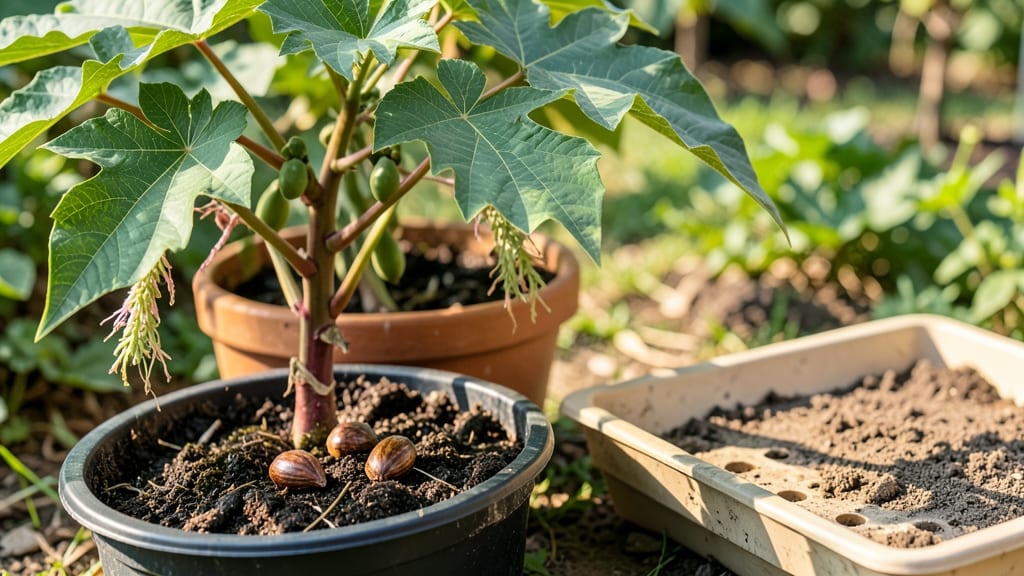
Germinating castor beans fast is all about that 24-hour speed-soak—my plants sprout in 3-5 days instead of the usual two weeks. 🌱 The trick? A warm water bath breaks their tough seed coat, letting roots burst through like clockwork.
I’ve tried every method, and this one cuts the waiting time by half while keeping the process simple enough for beginners. You’ll need just three things: castor bean seeds, a warm spot (70-80°F), and a damp paper towel or small container. No fancy equipment—just patience and the right technique.
The key is keeping seeds moist but not soggy; too much water drowns them before they even wake up. Once sprouted, you’ll see tiny white roots within days, followed by a thick stem that grows 1-2 inches per week.
Transplant carefully—castor beans hate root disturbance—and give them bright, indirect light until they’re sturdy enough for full sun. Just remember: these seeds are toxic, so keep them away from pets and kids. Works indoors or out, but watch for mold if humidity spikes.
Here’s how to do it right the first time—no guesswork, just fast, reliable sprouts.
📚 In This Guide
- What you need
- Instructions
- Tips and common mistakes
- Wrapping up and next steps
What you need
- ● Castor bean seeds (Ricinus communis) – 10–20 seeds (fresh or stored properly; avoid seeds older than 2 years).
- ● Water – Room-temperature or slightly warm (1–2 cups for soaking).
- ● Container – A wide, shallow dish (ceramic, glass, or plastic) or a seed tray with drainage (8–12" diameter).
- ● Paper towels or germination mat – 2–3 sheets (unbleached, seedling-safe) or a pre-moistened germination pad.
- ○ Plastic wrap or humidity dome – To retain moisture (optional but highly recommended for speed-soaking).
- ● Spray bottle – For gentle misting (1–2 sprays/day after soaking).
- ● Pencil or toothpick – To poke small drainage holes in plastic wrap (if using).
- ● Grow light or sunny windowsill – 12–16 hours/day of bright, indirect light (castor beans need light to germinate faster!).
- ○ Heating mat (optional) – Set to 75–85°F (24–29°C) to speed up germination (especially in cool climates).
- ● Small fan – For gentle air circulation (prevents mold; run on low).
- ● Seedling pots (2–3") – For transplanting once sprouts have 2–3 leaves.
- ● Label or marker – To track germination dates (castor beans sprout in 3–7 days with speed-soaking!).
Step-by-step instructions for germinating castor beans
Here’s the method I use to get castor beans sprouting in just 2-3 days—no waiting weeks for stubborn seeds.
🌱 Step 1: Soak Seeds for Maximum Speed
Castor bean seeds have a tough outer shell that slows germination. To break it down, place 4 seeds in a small bowl and cover them with warm water (about 80°F). Let them soak for 12-24 hours—this softens the seed coat and kickstarts the sprouting process. I like to use a clear bowl so I can watch the seeds plump up and start to crack open.
After soaking, gently squeeze each seed between your fingers to check for softness. They should feel noticeably easier to pierce than before. If they still feel rock-hard, soak them another 4-6 hours. Over-soaking won’t hurt, but don’t let them dry out during this phase.
💧 Step 2: Plant in Moist, Warm Soil
Fill a small pot (3-4 inches deep) with well-draining potting mix—castor beans hate soggy roots. Moisten the soil until it’s damp but not dripping, then make a ½-inch deep hole with your finger. Drop 1-2 soaked seeds into each hole (they germinate fast, so extras ensure success). Cover lightly with soil—just enough to hide the seeds.
Press down gently to eliminate air pockets, then water lightly from the bottom by placing the pot in ½ inch of water for 10 minutes. This keeps the soil evenly moist without disturbing the seeds. Place the pot in a warm spot (75-85°F)—a seedling heat mat speeds things up even more.
⏰ Step 3: Monitor for Sprouts in 48 Hours
Castor beans are fast growers, and you’ll see the first signs of life in 24-48 hours. Watch for tiny white roots pushing through the soil or a slight swelling near the seed. Keep the soil consistently moist—not soggy, not dry—by misting lightly if the surface feels dry to the touch.
Once the first true leaves (not the initial seed leaves) appear, move the pot to bright, indirect light for 2-3 days to prevent leggy growth. Castor beans grow quickly, so avoid overcrowding—if you planted two seeds, thin to the strongest seedling once they’re 2 inches tall.
☀️ Step 4: Transition to Sunlight Gradually
After 5-7 days, when seedlings are 3-4 inches tall, introduce them to direct sunlight for 2-3 hours daily, increasing exposure by 1 hour each day. Castor beans thrive in full sun (6+ hours), but sudden exposure can scorch tender leaves. A south-facing window or grow light works well.
You’ll notice rapid growth—castor beans can shoot up 1-2 inches per day under ideal conditions. Keep the soil lightly moist (water when the top inch feels dry) and fertilize lightly with a balanced liquid fertilizer once the first true leaves appear. Avoid over-fertilizing, as castor beans prefer lean soil.
Tips & tricks for faster castor bean germination
Real talk: castor beans are stubborn little seeds, but these tricks cut your wait time dramatically.
Soak Smarter: The 12-24 hour soak is non-negotiable, but here's what nobody tells you—use a bowl with a lid or plastic wrap to trap moisture and speed up the process. I've seen seeds crack open in just 18 hours when sealed properly. Warm water (80°F) works best, but if you're in a hurry, you can even use a microwave-safe bowl to heat water to 85°F for 30 seconds before soaking. Just don't let it get hotter than that—you don't want to cook the seeds!
Seed Softness Test: After your initial 12-24 hour soak, squeeze each seed between your fingers—it should give slightly like a ripe peach. If they're still rock-hard, extend that soak by another 4-6 hours. Pro tip: I use a pair of tweezers to gently pry open any seeds that start cracking during soaking. This little trick gives roots a head start when you plant them.
Warmth is Your Best Friend: Castor beans love heat, and the 75-85°F range during planting is crucial. If you don't have a heat mat, try placing your pot on top of your fridge (the motor keeps it warm) or nestle it between two light bulbs. I've even used a heating pad set to low—just make sure it's not too hot to touch. Consistent warmth means faster sprouts and stronger seedlings.
Light Transition Hack: When moving seedlings to bright indirect light after 2-3 days, I start with a sheer curtain over a sunny window. This gradual transition prevents shock and gives those delicate leaves time to adjust. After 2 days under the curtain, I remove it completely. The key is watching for the first true leaves—they should be vibrant green, not yellow or wilted.
Pro Tips for Germinate Castor Beans
- Real talk: castor beans are stubborn little seeds, but these tricks cut your wait time dramatically.
- Soak Smarter: The 12-24 hour soak is non-negotiable, but here's what nobody tells you—use a bowl with a lid or plastic wrap to trap moisture and speed up the process.
- Seed Softness Test: After your initial 12-24 hour soak, squeeze each seed between your fingers—it should give slightly like a ripe peach.
Frequently asked questions
Got questions about germinating castor beans? You’re not alone! Here are answers to the most common concerns—from timing to troubleshooting—so you can grow those sprouts like a pro.
How long does it take for castor bean sprouts to emerge?
With the speed-soak trick, sprouts typically appear in 3–5 days under ideal conditions (warmth, moisture, and darkness). If you’re not seeing progress after a week, check humidity levels or seed viability.
Can I germinate castor beans without soaking them first?
Yes, but it’ll take longer (7–10 days). Soaking (even just 4–6 hours) kickstarts germination by softening the hard seed coat. For faster results, stick with the speed-soak method!
Are castor bean sprouts safe to eat?
No—never eat raw castor bean sprouts!
They contain ricin, a deadly toxin. Only use them for ornamental or propagation purposes. Wear gloves when handling seeds to avoid skin irritation.
What’s the best temperature for germinating castor beans?
Aim for 70–85°F (21–29°C). Too cold (<60°F/15°C) slows germination, while extreme heat (>90°F/32°C) can kill seeds. A warm spot like near a heater or in a seedling mat works best.
What if my castor bean seeds mold or rot?
Mold or rot usually means excess moisture or poor airflow. Rinse seeds gently, let them dry slightly between rinses, and use a well-ventilated container. Discard any mushy or foul-smelling seeds immediately.
Can I reuse the germination jar for other seeds?
Yes! Just sterilize it first—boil the jar and mesh for 10 minutes to kill bacteria/fungi. Rinse well before reuse. This keeps your next batch of sprouts (like lentils or radishes) healthy!
Wrapping up and next steps
Germinating castor beans doesn’t have to be a gamble—with the right speed-soak trick, you’ll unlock faster, healthier sprouts in just days! 🌱 Whether you’re growing them for ornamental beauty, biodegradable oil, or even educational projects, mastering this method gives you a head start.
Now that you’ve got the know-how, roll up your sleeves and try it out—your castor bean seedlings will thank you!
Next step: Once your sprouts reach 2–3 inches, transplant them into well-draining soil (or keep them in water for short-term growth). Tag us in your progress—we’d love to see your green thumbs in action! 🌿