
Size
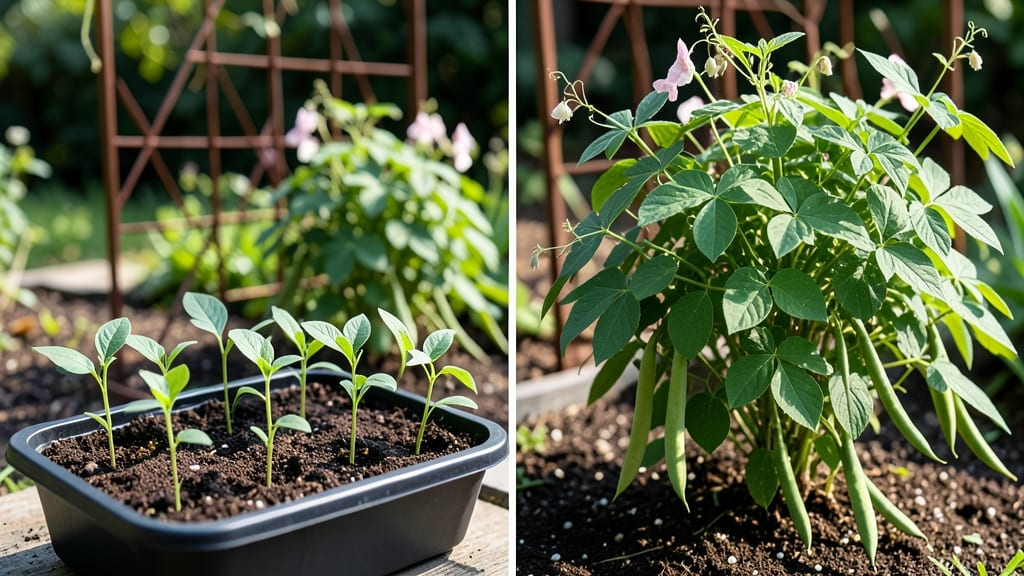
Growing a beanstalk in your garden isn’t just for fairy tales—it’s about growing pole beans that climb, produce, and feed you faster than you’d expect. 🌱 I’ve turned my backyard into a vertical bean factory using simple trellises, and the results? Harvests in just 60 days that make store-bought beans look sad by comparison.
The secret starts with the right seeds: climbing varieties like Kentucky Wonder or Rattlesnake beans grow 10+ feet tall and produce more pods than bush beans.
Pair them with a sturdy trellis (even a DIY bamboo frame works), and you’ll watch those vines race upward like Jack’s magic beanstalk—except this one’s 100% edible. Just plant seeds 1 inch deep, 4 inches apart, and give them full sun (6+ hours daily) for the fastest growth.
Once established, these vines need consistent water (1 inch per week) and occasional pruning to focus energy on pods. Watch for pests like Mexican bean beetles—spray with soapy water if you spot them—and you’ll be snipping fresh beans straight from the vine all summer.
The trellis keeps plants off the ground, reducing disease and making harvests effortless. This method works for small spaces, balconies, or full gardens—just scale the trellis. By mid-summer, your "beanstalk" will be laden with tender pods, proving that fast, vertical gardening is the real magic.
📚 In This Guide
- What you need
- Instructions
- Tips and common mistakes
- Wrapping up and next steps
What you need
- ● Wooden posts or stakes: 4–6 pieces (4x4 inches or 10x10 cm), 6–8 feet (1.8–2.4 m) tall. Tip: Pressure-treated wood lasts longer!
- ● Horizontal beams: 2–3 pieces (2x4 inches or 5x10 cm), 6–8 feet (1.8–2.4 m) long for cross supports.
- ● Trellis netting or twine: 1–2 rolls of 1-inch (2.5 cm) mesh netting or jute twine (for a rustic look).
- ● Concrete or heavy-duty stakes: 4–6 pieces (for anchoring posts securely).
- ● Galvanized screws/nails: 1 box (2-inch or 5 cm) for assembly.
- ● Measuring tape, level, and pencil: For precision cuts and alignment.
- ● Drill/driver: Essential for assembling the frame.
- ● Post hole digger or auger: To bury posts 1–2 feet (30–60 cm) deep.
- ● Decorative lattice panels: For a polished, Instagram-worthy look.
- ● Paint or stain: To weatherproof your trellis (choose non-toxic options!).
- ● PVC pipes or metal pipes: For a modern, lightweight alternative to wood.
- ● Garden twine or zip ties: To secure vines as they grow.
- ● Garden gloves and safety goggles: For a comfortable, mess-free build.
Step-by-step instructions for building a tall trellis for fast-climbing vines
Here's how to create a sturdy, attractive trellis that encourages rapid vine growth and maximizes your garden space.
🪴 Step 1: Choose and Prepare the Trellis Structure
For climbing vines like pole beans or cucumbers, I recommend a 6-8 foot tall freestanding trellis made from bamboo stakes or powder-coated metal tubing. The key is stability—vines can weigh 20+ pounds when fully loaded with pods or fruit. Drive 4-6 stakes into the ground at 12-inch intervals in a square or rectangular pattern, then secure horizontal slats or netting between them.
If using bamboo, soak the stakes in water for 24 hours before planting to prevent splitting. For metal, check that all joints are tightly secured—loose connections will sag under vine weight. The trellis should lean slightly inward at the top (about 3-4 inches) to create a natural funnel shape that guides vines upward.
☀️ Step 2: Position for Optimal Sun and Airflow
Place your trellis in full sun (at least 6-8 hours daily) where the soil drains well. Climbing vines need strong light to produce energy for rapid growth, but poor drainage leads to root rot. I like positioning trellises along a south-facing fence or east-west garden edge to maximize morning and afternoon sun.
Leave 18-24 inches of clearance between trellises to allow airflow—this prevents fungal diseases like powdery mildew. If growing multiple rows, stagger trellis heights by 1-2 feet so vines don't shade each other prematurely. Watch for leaf yellowing on lower leaves; this signals insufficient light penetration.
🌱 Step 3: Plant Seeds or Transplants at the Base
For fast results, plant pre-germinated seeds or young seedlings at the trellis base, spacing them 4-6 inches apart. Dig a hole twice as wide as the root ball and mix in 1 tablespoon of compost to boost early growth. Press soil firmly around the roots to eliminate air pockets—loose soil causes seedlings to topple.
I like to train the main stem upward immediately by gently tying it to the trellis with soft twine or old fabric strips. Avoid metal ties—they cut into tender vines as they thicken. Within 7-10 days, you'll see the first tendrils appear; these curl around the trellis naturally, but a light guide speeds things up.
💧 Step 4: Water and Fertilize for Rapid Growth
Keep soil evenly moist (not soggy) during the first 4-6 weeks—this is when roots establish deeply. Water at the base, not overhead, to prevent fungal spores from splashing onto leaves. I use a soaker hose for 10 minutes daily, adjusting based on rainfall. You'll know moisture is right when the top inch of soil feels damp but not cold.
Feed with a balanced fertilizer (10-10-10) at half-strength when vines reach 2 feet tall. Too much nitrogen causes leafy growth at the expense of pods or fruit. Watch for dark green, glossy leaves—this means your plant is thriving. If leaves yellow between veins, it's time for a magnesium boost (Epsom salt spray).
✂️ Step 5: Prune and Support for Maximum Yield
Once vines reach the top of the trellis, prune the main stem to encourage lateral branches. Cut just above a leaf node (the bump where leaves grow) to redirect energy. For pole beans, I remove every third leaf to improve airflow and pod production. You'll see more pods forming within 2-3 weeks of pruning.
As vines mature, check for weak stems that might snap under weight. Tie these to the trellis with soft ties every 12 inches. For heavy producers like cucumbers, add a second horizontal slat halfway up to distribute weight. Harvest frequently—pods and fruit weigh vines down, and overloaded plants produce fewer new growth points.
Tips & tricks for fast-climbing vine trellises
Building a trellis that actually works for fast-growing vines takes more than just hammering stakes into the ground. Here’s how to ensure your beanstalk reaches its full potential—and stays upright.
The Foundation Factor: When driving your 4-6 bamboo stakes into the ground at 12-inch intervals, use a rubber mallet instead of a hammer to avoid splitting the bamboo. For extra stability, bury the bottom 6 inches of each stake in a shallow trench filled with gravel—this prevents them from shifting as the vine grows heavier. I’ve seen trellises collapse when stakes weren’t anchored properly, especially in windy conditions. The 24-hour soaking for bamboo isn’t just about preventing splits; it also helps the wood absorb moisture and become more flexible, reducing the risk of cracking under vine weight.
Sunlight Strategy: That 6-8 hours of full sun requirement isn’t just about growth—it’s about survival. If your garden gets afternoon shade, position the trellis to catch the strongest morning sun (east-facing) rather than relying on weaker afternoon light. For maximum efficiency, I’ve found that placing trellises along a south-facing fence gives vines the best of both worlds: morning sun for photosynthesis and afternoon warmth to prevent chilling. Pro tip: If you notice lower leaves yellowing, it’s a sign the trellis is shading itself—consider adding a second, shorter trellis nearby to break up the canopy.
Pruning Precision: When you prune that main stem to encourage lateral branches, focus on cutting just above a leaf node where new growth will emerge. I’ve learned the hard way that cutting too close to the node can leave a wound that invites disease. For pole beans, removing every third leaf improves airflow, but don’t overdo it—too much pruning reduces the plant’s ability to photosynthesize. Within those 2-3 weeks after pruning, you’ll see a surge in pod production, but only if you’ve also tied the new lateral branches to the trellis immediately. Weak stems left untied will flop over under the weight of developing pods.
Watering Wisdom: Those 10 minutes of daily soaker hose time might seem excessive, but it’s crucial during the first 4-6 weeks when roots are establishing. I’ve seen vines wilt dramatically after just one day of underwatering in hot weather. To check moisture levels, stick your finger an inch into the soil—it should feel damp but not cold or soggy. If you’re using a regular hose instead of a soaker hose, water for 15 minutes to ensure the moisture penetrates deeply. Overhead watering can spread fungal spores, so always aim for the base of the plant.
Pro Tips for Get Beanstalk In Grow A Garden
- Building a trellis that actually works for fast-growing vines takes more than just hammering stakes into the ground. ...
- The Foundation Factor: When driving your 4-6 bamboo stakes into the ground at 12-inch intervals, use a rubber mallet ...
- Sunlight Strategy: That 6-8 hours of full sun requirement isn’t just about growth—it’s about survival. If your garden...
Frequently asked questions
Got questions about growing beanstalks in Grow a Garden?
Here are answers to the most common ones—so you can build that perfect trellis and watch your vines climb high!
What’s the best material for a beanstalk trellis in Grow a Garden?
A sturdy, lightweight trellis made of bamboo, wooden dowels, or metal mesh works best. Avoid flimsy materials—your vines will need support as they grow tall! For extra durability, opt for pre-made garden trellises or DIY frames with PVC pipes.
How long does it take for beanstalks to climb a trellis?
Most climbing beans (like pole beans) can reach the top of a 6-8 ft trellis in 4-6 weeks if planted early in the season. Fast-growing varieties may climb even faster! Ensure they have plenty of sunlight and water to speed up the process.
Can I use a beanstalk trellis for other plants?
Trellises work great for cucumbers, peas, squash, and even some flowers like morning glories. Just adjust the height—shorter plants need lower supports. Just avoid heavy fruits (like melons) unless your trellis is extra strong!
What if my beanstalks aren’t climbing? How do I fix it?
Check for these issues:
- No tendrils? Try a different variety (e.g., scarlet runner beans have natural tendrils).
- Trellis too far? Gently guide vines with twine or stakes until they latch on.
- Not enough light? Move the trellis to a sunnier spot.
Do I need special soil for beanstalks?
Beanstalks thrive in well-draining, slightly acidic soil (pH 6.0-7.0). Mix in compost for nutrients, but avoid heavy clay. If your soil is poor, a raised bed with sand and organic matter works wonders!
Wrapping up and next steps
Growing a beanstalk in Grow a Garden is all about patience, preparation, and a little creativity! Whether you’re using the tall trellis or a DIY alternative, the key is providing the right support and care for your vines to flourish.
With the right materials and a few handy tips, you’ll have those fast-climbing beans reaching for the sky in no time.
Now that you’re armed with the know-how, roll up your sleeves and start planting! 🌱 Start small—try a single trellis or a mini garden patch—and watch your beanstalk grow into a thriving, green masterpiece. Happy gardening!